
Understanding Schizophrenia Diagnosis: Key Signs and Symptoms
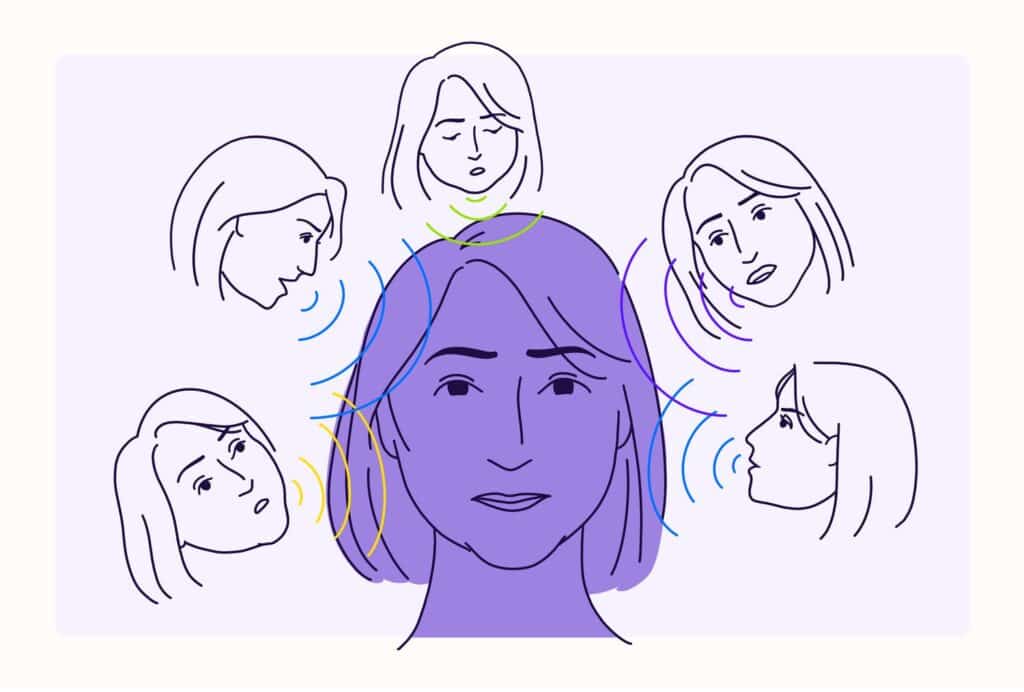
Schizophrenia, a mental disorder with a wide range of symptoms, is a widespread and often misunderstood condition that afflicts millions of individuals around the world. Symptoms of schizophrenia include hallucinations, delusion, disorganized thinking, and cognitive impairment. These manifestations can be highly disruptive and have a considerable influence on an individual’s day-to-day life and functioning. Let us talk about the Diagnosis of Schizophrenia. Schizophrenia is not a personality disorder, nor is it a sign of vulnerability. Rather, it is a neurological condition that has a wide range of effects on a person’s cognitive, emotional, and behavioral functioning. The exact mechanism of schizophrenia is yet to be elucidated, but the most widely accepted hypothesis is that it is caused by a complex combination of genetic predisposition, environmental factors, and neurogenetic alterations. Schizophrenia can be a difficult condition to live with, however, those diagnosed with the disorder can lead meaningful and fulfilling lives with the right assistance and treatment. By raising awareness of schizophrenia among ourselves and others, we can help to reduce the stigma associated with the condition and promote an inclusive society for all. What is schizophrenia? Schizophrenia is a chronic and severe mental disorder that affects how a person thinks, feels, and behaves. It is often characterized by a combination of hallucinations, delusions, disorganized speech, and impaired cognitive abilities. These symptoms can be distressing not only for the individual experiencing them but also for their loved ones. Schizophrenia is believed to be caused by a combination of genetic, environmental, and chemical factors in the brain. While the exact cause is still unknown, research suggests that imbalances in certain neurotransmitters, such as dopamine and glutamate, play a role in the development of the disorder. What is the process of the diagnosis of Schizophrenia? When getting diagnosed with schizophrenia, can be a very daunting and perplexing experience. It has become very important to keep in mind that the diagnosis does not represent a label or an indication of one’s identity. Rather, it is a means to an understanding and treatment of one’s symptoms. Early warning signs of schizophrenia Recognizing the early warning signs of schizophrenia is crucial for early intervention and effective management of the disorder. While the symptoms may vary from person to person, some common early warning signs include: 1. Social withdrawal: Individuals may start to withdraw from social activities, spending more time alone and avoiding interactions with friends and family. 2. Changes in performance at work or school: A decline in performance at work or school, such as a drop in grades or difficulty completing tasks, may indicate the onset of schizophrenia. 3. Changes in emotions and behavior: Mood swings, increased irritability, and changes in behavior, such as increased aggression or suspiciousness, can be early indicators of schizophrenia. 4. Difficulty concentrating: Problems with concentration and attention can interfere with a person’s ability to focus and engage in tasks. What are the symptoms of schizophrenia? Following the DSM-5, a diagnosis of schizophrenia confirms the presence of two or more of the five primary symptoms listed. These symptoms must be present for a minimum of one month and can have a significant influence on an individual’s ability to perform in their professional life or social relationships. 1. Delusions and Hallucinations Delusions are the beliefs that a specific person has that they stick to no matter what the evidence says. For instance, a person with schizophrenia might think that someone might be following them or that they have special powers. Hallucinations are the things that you can see that aren’t there. You can see them with your eyes, hear them with your ears, or use any of your senses. The most common hallucination with schizophrenia is hearing voices. 2. Disorganized Speech People with schizophrenia often talk in rambling bursts. It can seem like their thoughts are jumping from one subject to another, making it hard to make sense of what they’re saying. Sometimes it can be so confusing that it’s impossible to make sense of it all. 3. Disordered thinking and Behavior People with schizophrenia can have chaotic thoughts that can affect every part of their lives. They can have unpredictable outbursts, weird body movements, and no reaction at all (called catatonia). They can also have trouble with daily tasks like washing their hands. If you or a loved one are exhibiting similar symptoms, it is essential to seek medical attention. A mental health professional, typically a psychiatrist, will make a diagnosis of schizophrenia based on a comprehensive assessment that takes into account the patient’s symptoms, medical background, and family history. 4. Evaluation for Schizophrenia Diagnosis of schizophrenia is based on a combination of assessments. These include interviews with the patient, regarding their symptoms and psychiatric history: physical examinations to exclude medical causes: and psychological assessments conducted by a qualified mental health professional. 5. Physical Exam Diagnosis typically begins with a physical examination. This allows physicians to exclude other factors that may be responsible for the symptoms. For instance, certain neurological disorders, such as epilepsy, brain tumors, encephalitis, endocrine disorders, and metabolic disorders, may sometimes resemble schizophrenia symptoms. Additionally, infectious diseases and autoimmune disorders that involve the central nervous system may mimic schizophrenia symptoms. If appropriate, physicians may order additional tests, such as brain imaging techniques, including CT scans or magnetic resonance imaging (MRIs). 6. Various tests and Screening for Schizophrenia. Laboratory findings and imaging studies are generally considered to be adequate for the diagnosis of schizophrenia, however, they are necessary for the exclusion of other conditions. Additionally, certain behavioral patterns associated with mental illness, such as excessive drinking of water, may manifest themselves as metabolic issues in laboratory results. Toxicological screening may be beneficial, as a variety of substances, such as alcohol, cocaine, opiates, and certain over-the-counter and prescription medications, are known to induce psychotic symptoms. 7. Evaluation by Psychiatrist A psychiatric assessment typically consists of an in-person interview, as well as, in certain circumstances, an examination of both medical and psychiatric documentation. The physician or mental health practitioner will