How Heroin Affect The Brain: A Comprehensive Guide
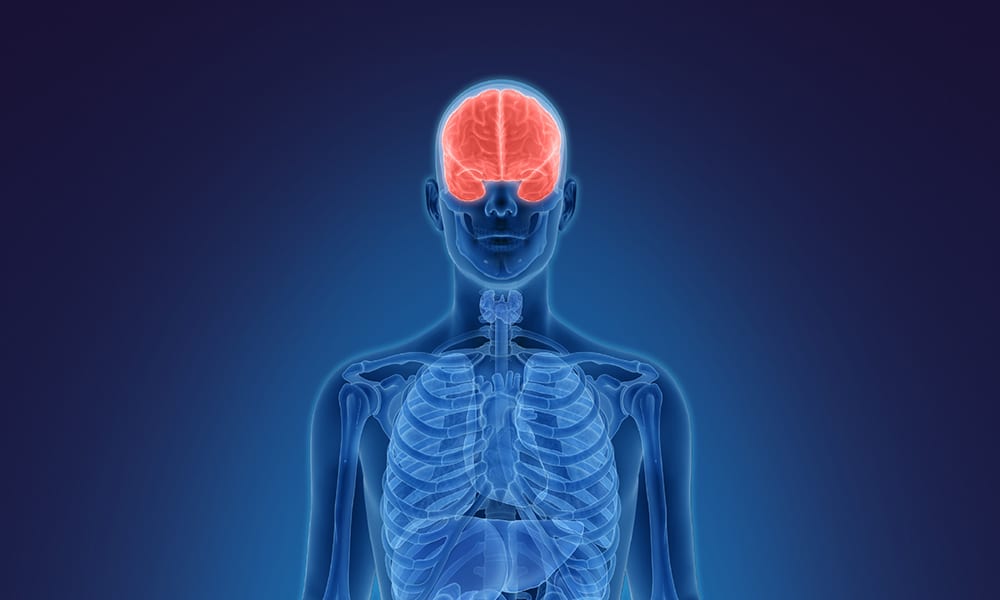
Heroin, an addictive substance derived from the opium poppy, profoundly impacts the brain and major organs, causing a cascade of detrimental effects. When heroin enters the body, it rapidly converts to morphine and binds to opioid receptors in the brain, creating an intense rush of pleasure and euphoria. These receptors are also present in other vital organs, like the lungs, liver, and gastrointestinal tract, contributing to the widespread impact of the drug. However, the short-term euphoria masks the long-term consequences, as heroin’s extended use results in severe and lasting effects on the brain. This blog takes you inside the brain of a person with drug abuse, primarily focusing on heroin addiction, covering aspects of what does heroin look like, how does heroin affect the brain, what are the different forms of heroin, how does heroin addiction affects mental health, and some proven treatment ways to cure this addiction. In a world where substance abuse and addiction remain persistent challenges, the narratives are as diverse as the individuals who grapple with them. Whether driven by curiosity, peer pressure, or an attempt to escape life’s burdens, the path into the realm of addiction is seldom straightforward. From alcohol to prescription medications, the range of substances people turn to in search of relief or recreation is wide, and so are the stories that unfold. What does heroin look like? Heroin can look like a couple of different things, light in color to dark in color of a powder substance similar to that of sugar and flour mixed. Heroin typically appears as a fine, white to brownish powder or a sticky, dark substance known as “black tar” heroin. The color and consistency of heroin can vary depending on factors such as its origin, purity, and the substances it has been mixed with. Here are the common forms of heroin: 1. White Powder Heroin This type of white or off-white powder heroin is typically found in Eastern regions and is more likely to be pure compared to other forms. However, purity can vary greatly. 2. Brown Powder Heroin Brown heroin is a less pure form of the drug and may be brown or beige. It often contains impurities and adulterants. 3. Black Tar Heroin This type of heroin is dark, sticky, and resembles a tar-like substance. It is typically found in the western United States and is less processed than powdered heroin. Black tar heroin may contain higher levels of impurities. 4. Heroin Pills In some cases, heroin is pressed into pill form, which may be disguised as prescription medications. These pills can come in various shapes and colors. How does Heroin come into the picture? The drug comes from the opium poppy, and people have been growing these poppies for over 6000 years, dating back to Neolithic times. People used to cut open poppies, collect the opium-filled sap, and consume it. That’s why opium has been a popular drug for a very long time. The drug morphine was first extracted in 1810 from the resin of opium poppy and it was found that morphine has incredible pain-killing effects producing a state of numbness, a new euphoria that made it a go-to drug for surgery and to our surprize, it’s still used today when other painkillers fall flat. Little did we know how addictive morphine can be, it was used liberally during the American Civil War and it left tens of thousands of soldiers hopelessly addicted and dependent on the drug. In this response, heroin made its grand entrance derived from morphine by a German scientist and was marketed as a new wonder drug, a safe and non-addictive alternative to morphine. Curing headaches, colds and coughs, depression, and even old age are some of the use cases it was launched for. But in reality, heroin was addictive and was distributed in an unregulated pattern for over a decade. Heroin was legally restricted under the Geneva Convention in 1925. Ways of consuming heroin Heroin is a highly dangerous and illicit substance with numerous harmful ways it can be consumed. It’s important to understand these methods to raise awareness about the risks and consequences associated with heroin use. Here are some harmful ways heroin is consumed: 1. Injection Injecting heroin directly into the bloodstream is one of the most dangerous and harmful methods, yet one of the most common ones. Users often dissolve the drug in water and then inject it into a vein (intravenous), muscle (intramuscular), or under the skin (subcutaneous). This method can lead to immediate and severe health risks, including the transmission of bloodborne diseases like HIV and hepatitis, as well as vein damage and infections. 2. Smoking Heroin can be smoked in various forms, such as by heating it on aluminum foil or using a specialized pipe. Smoking heroin can lead to lung and respiratory issues, as well as damage to the mucous membranes in the mouth and throat. 3. Snorting Some people make powdered heroin and snort it through the nose. This method of consuming heroin can damage the nasal passages, chronic congestion, and damage to the nasal septum. 4. Suppository In rare cases, heroin may be consumed rectally as a suppository. This method still carries the risk of overdose and the potential for physical harm. How does heroin affect the brain? The trajectory of how heroin affects the brain is a process that takes place within 12 hours of injecting this into your body. When injected or smoked, the active chemical compound in heroin, diamorphine can reach the brain quickly via the blood. Once in the brain, enzymes convert it to morphine and it starts to alter the balance of natural chemicals in the nervous system. Zooming into the brain, you will find billions of neurons responsible for relaying information, and between the billions of connections called synapses. At the synapses, morphine from heroin connects to special receptors called opioid receptors. This connection then leads to the release of dopamine, commonly known as the feel-good hormone. The term effect of