
What Are the Symptoms of Methamphetamine Use Disorder?
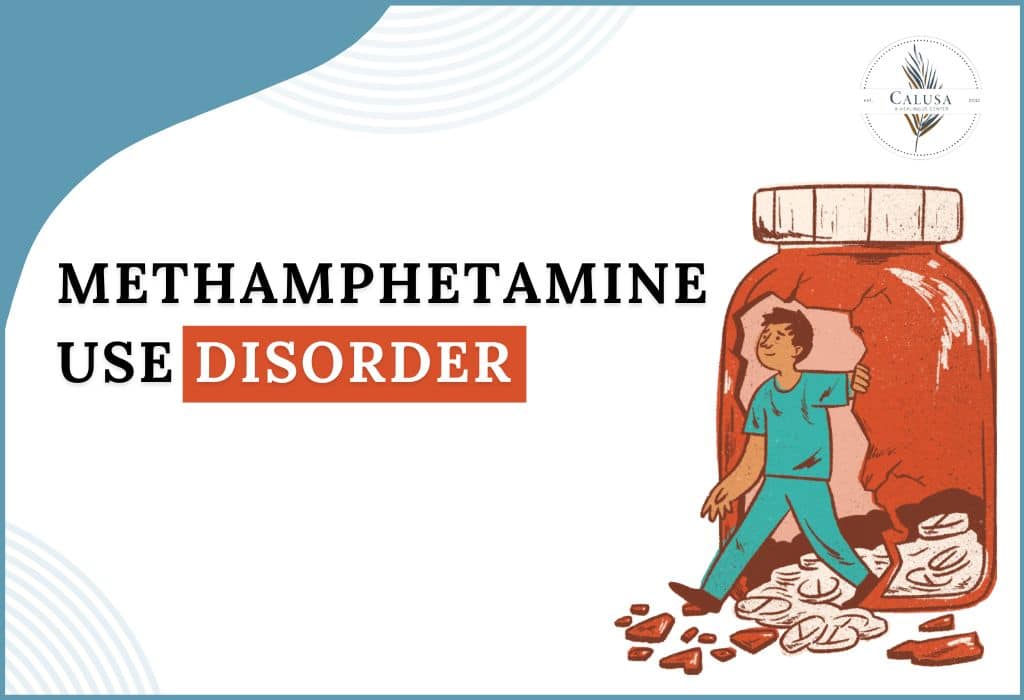
Methamphetamine is a highly addictive drug. According to the survey, 1.6 billion individuals are suffering from methamphetamine addiction. In the shadow of substance abuse, methamphetamine is considered a powerful stimulant. It affects certain areas of the brain and the function of the central nervous system. For example, heart rate, respiration, body temperature, and blood pressure rise under meth. When a person takes meth continuously it develops the feeling to take meth for pleasure and keep the person energetic. However, when a person doesn’t take meth the body begins crashing which leads to a feeling of fatigued, depressed, hungry and anxious. Methamphetamine abuse can result in addiction. In this article, we will discuss detailed information on methamphetamine use disorder treatment, signs of methamphetamine use, drug tests for methamphetamine, and methamphetamine use disorder. Drug Test for Methamphetamine Taking a drug test for methamphetamine is crucial to understanding overdose and finding the right treatment. There are different types of tests, including blood tests, urine tests, fingerstick blood sugar tests, acetaminophen tests, and ECG tests. Healthcare professionals can also check your electrolyte balance and the health of your kidneys and liver. Additionally, they might test for HIV or hepatitis B and C to assess the impact of methamphetamine use. Another way to test for meth is with a drug test kit. This method is quick and easy, making it useful for parents and employers. A drug test can detect meth within 4 to 6 hours of use. A positive result can show up for 2 to 4 days after taking meth. This means you’ve used the drug in the last 1 to 3 days. If you test positive, you might face consequences like not getting a driver’s license, a job, or being unable to join the military or certain sports. Methamphetamine use disorder Methamphetamine is a disease in which excess meth in the blood is secreted, interfering with its ability to effectively transport oxygen. It increases dopamine levels in the brain, leading to euphoria. However, its use develops severe health problems such as addiction, cardiovascular issues, and neurological damage. The reasons people use methamphetamine vary, but it is often connected to seeking pleasure, increased energy, and escape from reality. The negative consequences far outweigh any short-term benefits, making it a dangerous substance. Adverse Effects of Methamphetamine Use Issue: Real signs: Weight loss Unusual sweating Vasodilation and circulatory pressure Dental issues (often listed as “meth mouth”) Changes in brain structure and function Malnutrition Life Signs: Life is not stable and becomes toxic after drug use Changes in sleep that lead to sleep disorders Create confusion or doubt in the mind of a person related to their life. Mental signs: Difficult or aggressive behaviour Behavioural fluctuations Insomnia Anxiety Paranoia Mood disturbances Methamphetamine use disorder treatment Methamphetamine has a significant impact on the nervous system. Addiction is considered a treatable but not curable disease. Understanding the addiction levels helps in beginning the treatment. Methamphetamine use disorder provides different treatment options. 1. Inpatient treatment 54.2% of people choose Inpatient treatment for their methamphetamine addiction. Because this treatment provides a high level of care to the person. The patient lives at the facility receives 24-hour medical support and learns how to live life with the addiction. In this treatment patients are treated with drug testing, individual counseling to understand the mind, behavior therapy and family education to understand the importance of family. 2. Detoxification Detoxification is the process of getting rid of drugs from the body. The process takes place under the supervision of a healthcare professional so a person can be safe and comfortable during detoxification. The detoxification takes place in three steps. The steps such as evaluation, stabilization and transition into further treatment. The evaluation is a stage where the doctor assesses the patient’s health. Also, use urine drug tests to determine the amount of Meth that a patient has consumed. From there, the doctor makes a detox plan that fits the patient’s specific needs. In the stabilization stage, the treatment that is implemented in the evaluation by the doctor will check and bring in a stable condition. Once these two processes are complete the doctor plans for other treatment for the patient. 3. Outpatient treatment It is the treatment where people are allowed to take treatment and live their everyday lives. 46% of the people opt for this treatment. This treatment is good for people who can manage things in less structured environments. Also, it is a flexible and accessible treatment. 4. Aftercare treatment Aftercare treatment is essential for people to avoid future relapse. The treatment includes community support, family support, mutual-help group support, alumni events, and more. Signs of methamphetamine use Methamphetamine is a powerful substance that affects a person in the short term and long term. These Signs of methamphetamine use are observable in patients. 1. Behavioral changes When a person’s behaviour is changed then the person is going through methamphetamine addiction. If a person is intelligent and thoughtful then they also try to hide their drug use as they care only for taking methamphetamine. The changes in the behavior can be as follows: Going away from family and friends Insomnia Engage in risky behaviors Loss of interest in daily activities 2. Mood swings When a person’s mood quickly swings then they are methamphetamine abused. The mood swings they face are: Hyperactivity Paranoia anxiety Irritability Inability to sit proper Racing thoughts Delusions of power 3. Physical appearance change Weight gain is typically a sign of methamphetamine addiction. If your loved ones are eating unhealthy foods then it is a high chance of methamphetamine use. The signs of change in physical appearance are as follows: facial acne intense scratching dilated pupils rotting teeth weight loss premature aging of facial skin 4. Tweaking The occurrence of tweaking is when a person binges continuously to chase the initial high. A person walks in an unsteady manner and has a rapid speech during the tweak. Additionally, they experience insomnia for up to 15 days. 5. Crashing Extended
How Psychological Stressors Affect Mental Well-being
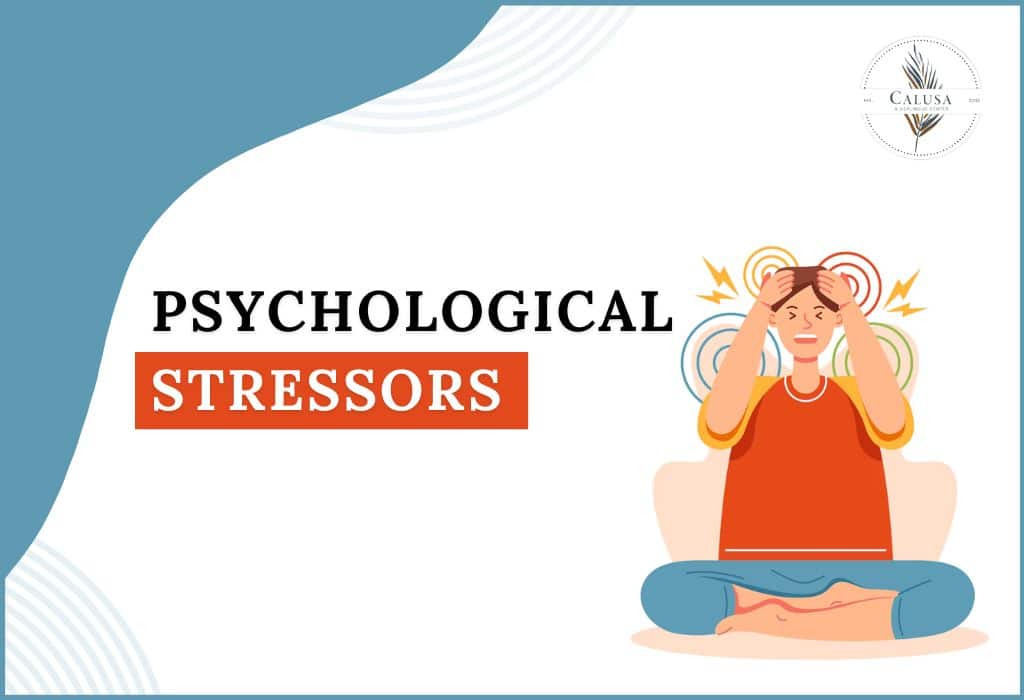
In today’s fast-paced and ever-changing world, psychological stressors have become a ubiquitous aspect of daily life, affecting individuals across various demographics and backgrounds. These stressors, ranging from minor daily hassles to significant life-altering events, play a critical role in shaping our mental health and overall well-being. The modern era, characterized by its relentless pace and constant demands, often worsens these stressors, leading to a myriad of psychological and physiological responses. Understanding how psychological stressors impact mental well-being is essential for developing effective coping strategies and fostering resilience. This blog delves into the nature of these stressors, their effects on mental health, and the mechanisms by which individuals can manage and mitigate their impact. By comprehending the intricate relationship between stress and mental health, we can better equip ourselves to navigate the challenges of contemporary life, ensuring a more balanced and healthier psychological state. What are Psychological Stressors? Psychological stressors refer to any events or stimuli that induce a stress response in an individual. These stressors can be classified into different types, including: Acute Stressors: Short-term events that cause immediate stress, such as arguments, job interviews, or exams, trigger the body’s acute stress response, characterized by the rapid release of adrenaline and cortisol. These situations can lead to heightened alertness, increased heart rate, etc. Chronic Stressors: Ongoing situations that persist over time, such as long-term illness, financial difficulties, or job insecurity, can lead to chronic stress, which keeps the body’s stress response continuously activated. This prolonged exposure to stress hormones can contribute to serious health issues significantly affecting overall well-being. Traumatic Stressors: Severe events that threaten an individual’s physical or psychological integrity, such as natural disasters, accidents, or assaults, can trigger intense and prolonged stress reactions, often leading to post-traumatic stress disorder (PTSD). These traumatic experiences profoundly impact an individual’s mental health and daily functioning. Each type of stressor can trigger a range of psychological and physiological responses, influencing an individual’s mental health in different ways. The Body’s Stress Response When faced with psychological stressors, our body triggers a complex stress response known as the fight-or-flight reaction. This response, originally designed to help us survive the immediate danger, involves the release of hormones like adrenaline and cortisol. These hormones increase our heart rate, breathing, and blood pressure, priming us for action. While this response is helpful in the short term, chronic exposure to psychological stressors can have a significant negative impact on our mental health. Cortisol, the body’s main stress hormone, can impair brain function and disrupt the delicate balance of neurotransmitters, chemicals that regulate mood, sleep, and cognition. Types of Psychological Stressors Psychological stressors can take many forms and vary depending on individual circumstances. Some common types include: Work-related Stress: Work deadlines, heavy workloads, a lack of control, and toxic workplace relationships can all be significant sources of stress. Financial Stress: Financial worries, debt, and job insecurity can create a constant sense of pressure and anxiety. Relationship Stress: Conflictual relationships with romantic partners, family members, or friends can be emotionally draining and lead to stress. Life Changes: Major life transitions, such as moving, getting married, having children, or losing a loved one, can be stressful, even when they are positive events. Health Concerns: Chronic health conditions, pain, and medical treatments can all be significant sources of stress. Effects of Psychological Stressors on Mental Well-Being The impact of psychological stressors can manifest in a variety of ways, affecting our thoughts, emotions, and behaviors. Some of the most standard effects comprise: Anxiety: Tension often triggers feelings of anxiety, characterized by excessive worry, restlessness, and difficulty concentrating. Chronic stress can worsen pre-existing anxiety disorders or lead to their development. Depression: Chronic stress can deplete our emotional reserves and contribute to feelings of hopelessness, helplessness, and worthlessness, all of which are hallmarks of depression. Mood Swings: Stress can make us more vulnerable to mood swings, leading to irritability, anger, and difficulty managing emotions effectively. Cognitive Difficulties: Stress can impair concentration, memory, and decision-making. We may struggle to focus on tasks, forget important information, or feel mentally foggy. Fatigue: Anxiety can leave us feeling drained and exhausted, both physically and mentally. This can disrupt sleep patterns and make it difficult to function at our best. Changes in Behavior: Individuals coping with chronic stress may resort to unhealthy behaviors as a way to manage their emotions. This could include social withdrawal, substance abuse, or overeating. Coping with Psychological Stress The good news is that there are effective strategies for managing psychological stressors and promoting mental well-being. Here are some helpful tips: Identify Your Stressors: The first step towards managing stress is to identify the specific triggers that are causing you distress. Keeping a stress journal can help you track your stressors and how you react to them. Develop Healthy Coping Mechanisms: Find healthy ways to manage stress, such as exercise, relaxation techniques (deep breathing, meditation, yoga), spending time in nature, or engaging in hobbies you enjoy. Practice Self-Care: Make a conscious effort to prioritize activities that enhance your mind, body, and spirit. This could include getting enough sleep, eating a balanced diet, and prioritizing activities that bring you joy. Connect with Others: Social support is crucial for mental well-being. Reach out to a reliable friend, family member, therapist, or counselor to share your feelings of stress. Seek Professional Help: If you are struggling to cope with stress on your own, don’t hesitate to seek professional help from a therapist or counselor. They can provide you with personalized strategies for managing stress and improving your mental health. Conclusion Psychological stressors are an inevitable part of life, but their impact on mental well-being can be profound. However, understanding the nature of these stressors and implementing effective coping strategies can significantly mitigate their negative effects. Building resilience through genetic awareness, fostering positive personality traits, and strengthening social support networks are crucial in enhancing one’s ability to cope with stress. Additionally, adopting both problem-focused and emotion-focused coping strategies can provide practical and emotional relief from stressors. By cultivating resilience
Creating a Supportive Ketamine Treatment Environment

Discover how a healing sanctuary can enhance ketamine therapy: soothing lighting, tranquil sounds, and comforting spaces invite a transformative experience for patients seeking relief from psychological burdens…