How Does PTSD Cause Substance Abuse For Veterans?
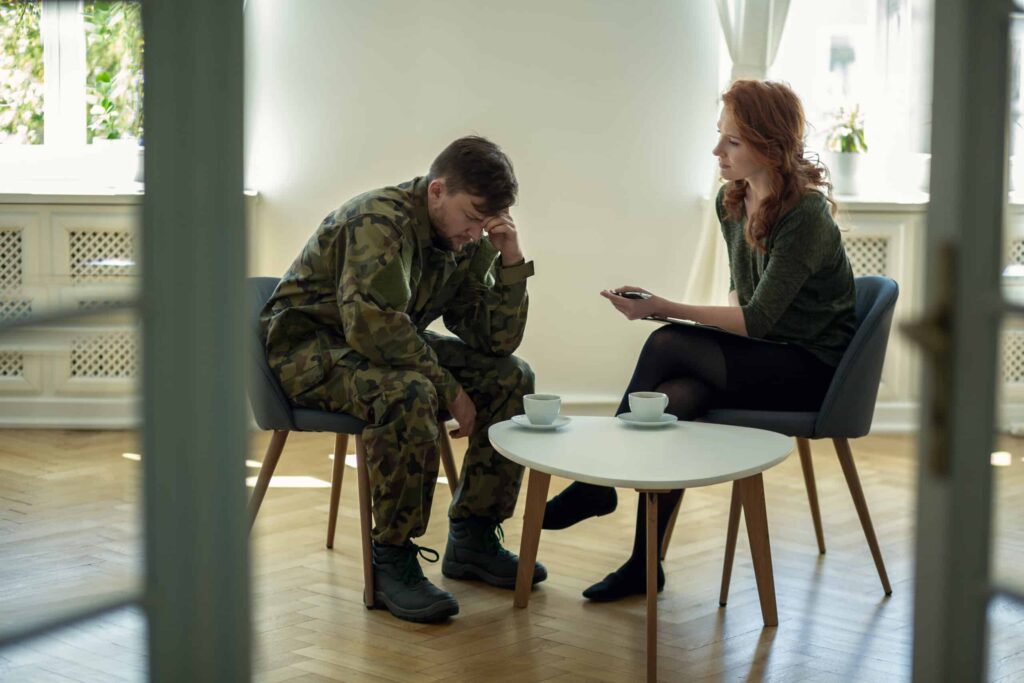
According to the U.S. Department of Veterans Affairs, 7 out of every 100 veterans will struggle with PTSD at some point in their lives. PTSD can be an extremely debilitating mental illness, especially if left untreated. From fracturing relationships with friends and family to harming your physical and mental health and well-being, PTSD can significantly impair your health and quality of life. Unfortunately, some people may turn to drugs or alcohol as a means to cope with their PTSD, which can be a slippery slope towards developing a substance use disorder in addition to suffering from PTSD. If you are a veteran struggling with PTSD and/or addiction, you don’t have to suffer in silence– help is available. In this article, you’ll learn more about how PTSD causes substance abuse for veterans and the different treatment options available at a veterans’ PTSD drug rehab facility. At Calusa Recovery, we are a mental health and addiction treatment center in Southwest Flordia committed to helping people take back control over their lives. We offer a range of both addiction treatment and mental health treatment options so you can receive the most tailored treatment to best help you regain control over your life. Contact us today to learn how we can help you on your road to recovery. What Is PTSD? PTSD (post-traumatic stress disorder) is a mental health disorder that occurs when a person experiences a traumatic event, or series of traumatic events or circumstances, that negatively affects their mental, physical, and/or social well-being. A range of traumatic events and circumstances can cause someone to develop PTSD. This can include singular events such as getting in a life-threatening car crash or experiencing long-term trauma from bullying or war. Therefore, veterans are inevitably more likely to experience PTSD because they are exposed to violent and traumatic events on an ongoing basis when off at war. It can be extremely difficult for veterans not only to return to their “normal” daily life after deployment, but many veterans may be at risk for struggling with different mental health disorders, including PTSD. How Does PTSD Cause Substance Abuse For Veterans? Veterans have the potential to have been exposed to a range of emotionally or physically intense, harmful, and even life-threatening events or circumstances that can cause them to develop PTSD. War and combat, in general, can bring about many extremely intense negative events and emotions, from not only putting your own physical safety at risk but potentially seeing others struggle and even lose their lives during combat. It’s important to note that while veterans are more likely than the average person to develop PTSD due to being exposed to more traumatic events, PTSD does not only occur in veterans. Anyone at any age can develop PTSD from a traumatic event. Because PTSD can bring about intense flashbacks, nightmares, and intense emotions like fear, sadness, and anger, many veterans can struggle to cope with PTSD, especially if left untreated. Unfortunately, this can lead to some veterans abusing certain drugs or alcohol as a means to cope with these intense negative emotions from their PTSD, and thus PTSD causes substance abuse for veterans. Factors contributing to substance abuse among veterans Several factors contribute to the increased risk of substance abuse among veterans. One key factor is the presence of underlying mental health conditions, such as post-traumatic stress disorder (PTSD), depression, and anxiety. Veterans may turn to substances as a way to self-medicate and alleviate the symptoms of these conditions. The physical injuries sustained during military service can also contribute to the development of substance abuse disorders, as veterans may use drugs or alcohol to cope with pain or disability. Moreover, the unique culture and experiences of military service can also play a role in the development of substance abuse problems. The constant exposure to high-stress situations, the camaraderie centered around drinking, and the normalization of alcohol and drug use within the military can all contribute to a veteran’s susceptibility to substance abuse. The transition to civilian life can further exacerbate these issues, as veterans may struggle to find purpose and meaning outside of the military, leading them to turn to substances for comfort or escape. Unique challenges faced by veterans in addressing substance abuse Addressing substance abuse among veterans comes with its own set of challenges. One significant barrier is the stigma associated with seeking help for mental health and substance abuse issues within the military community. Veterans may fear being labeled as weak or unfit for duty if they admit to struggling with substance abuse. This fear can prevent them from seeking the necessary support and treatment they need. Additionally, veterans may face challenges in accessing appropriate and timely care. The Department of Veterans Affairs (VA) provides healthcare services for veterans, including substance abuse treatment. However, there are often long wait times and limited resources available, making it difficult for veterans to access the care they need when they need it. This lack of accessibility can lead to frustration and further exacerbate the substance abuse problem. Support programs and resources available for veterans Recognizing the unique challenges faced by veterans struggling with substance abuse, numerous support programs and resources have been developed to assist them on their journey to recovery. Non-profit organizations, such as the Wounded Warrior Project and the Veterans Recovery Resources, offer a wide range of services, including counseling, peer support, and assistance with navigating the VA system. Additionally, community-based organizations, local support groups, and online forums provide veterans with a sense of belonging and understanding. These platforms allow veterans to connect with others who have shared experiences and can offer guidance and support throughout their recovery process. Veterans, their families, and the community as a whole need to be aware of these resources and actively promote their utilization. By fostering a supportive environment and ensuring access to appropriate services, we can help veterans overcome substance abuse and reclaim their lives. Overcoming the stigma associated with substance abuse in the veteran community One of the
Exploring the Different Types of Psychodynamic Therapy
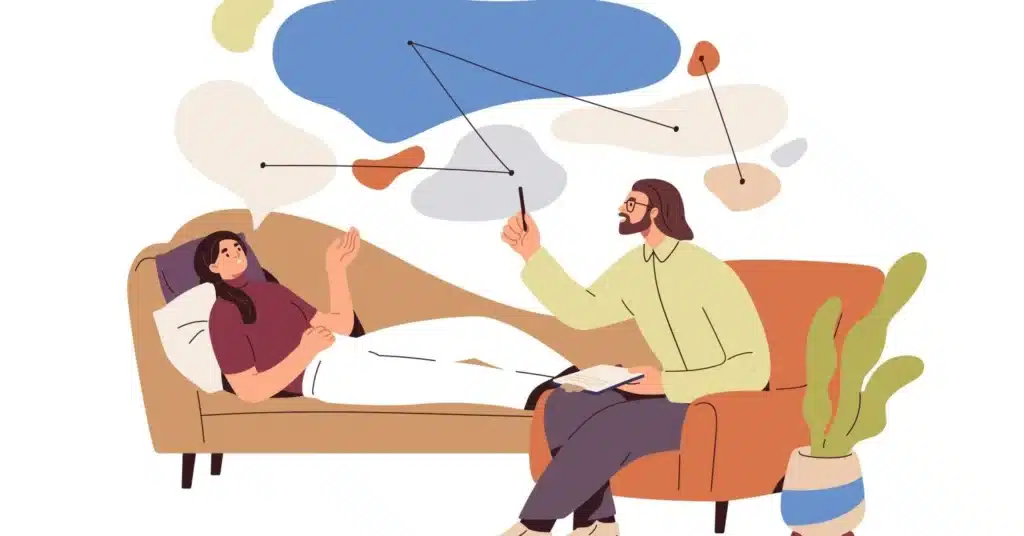
If you want to dive into Psychodynamic Therapy and deep-dive into types of psychodynamic therapy, this is your place to start with. Psychodynamic therapy helps you understand your thoughts, feelings, and behaviors by understanding your past experiences. Additionally, they consciously and unconsciously shape your life and relationships. The aim of psychodynamic therapy is not to talk about the past but to understand how the past affects the present life of a person and fulfilling life in the present. This therapy helps you discover self-destructive patterns and beliefs that put you back and help you overcome them. Moreover, the success rate of Psychodynamic Therapy is 79%. Let’s understand all things in detail about Psychodynamic Therapy. Your Trauma Doesn’t Deserve Another Day of Your Life With CBT, medication, and evidence-based therapy, you can learn to take control of your mind again. Today can be the day everything changes. Take That First Step Now 866.939.6292 What Is Psychodynamic Therapy? Psychodynamic Therapy is in-depth talk therapy or psychoanalytic therapy. This therapy focuses on a person’s present behavior, unwanted thought patterns, and symptoms of the patients that arise due to past trauma. Additionally, this therapy provides information on how individuals interact with their loved ones. This therapy requires a smaller number of sessions to help a patient reach their goals. Some clients use this approach for a short period, while some use a long-term therapy approach. This therapy helps in identifying emotional thoughts, childhood trauma, and belief systems. Psychodynamic therapy helps families, individuals, couples, and groups. Types of Psychodynamic Therapy Several types of psychodynamic therapy focus on exploring unconscious processes and past experiences to understand current emotional issues. Let’s understand, and in detail the type of therapy. 1. Brief Psychodynamic Therapy It is a type of psychodynamic therapy that takes only a few sessions or at times, only one session might be sufficient. In the first meeting, the therapist identifies an event that triggered a patient’s anxiety and develops a coping technique. Brief Psychodynamic Therapy is useful in the treatment of the following events: Brain injury Sexual violence Survivors of terrorist attacks A family tragedy like divorce or loss of loved ones. 2. Psychodynamic Family Therapy Psychodynamic family therapy focuses on family issues; it can be the two individuals in a loving relationship, children and their parents, grandparents, siblings, or a joint family issue. This treatment is long-term and usually solves chronic family issues. This therapy focuses on solving disputes. Also, the therapist sees the problem from each family member’s lens, so they dig deeper into the root cause of unhealthy relationships among the family members. Additionally, once therapists identify the root cause, they make a plan to make each family member understand each other, which creates a healthy relationship. 3. Psychodynamic Art / Music Therapy Psychodynamic Art or Music Therapy is a third type of psychodynamic therapy. This non-traditional style of therapy allows a person to explore emotions and moods through music or art. This therapy is non-structured and non-directive. There is no need for any talented musical or experienced artist; the patient can express themselves with music and art in their own way. For example, they can choose a song that they think resonates with their mental and emotional states. Also, they can make a drawing that is representative of the event, such as childhood trauma or abuse in office, anything. This treatment is suited for people who find it difficult to speak and people who feel overwhelming anxiety. Music or art helps relieve anxiety and becomes a medium for expression. How do types of Psychodynamic Therapy work? Psychodynamic therapy is different from other therapies because it focuses on recognizing and overcoming negative feelings, expressing, acknowledging, and understanding a patient to improve interpersonal experiences and relationships. In this way, patients understand how their past emotions and trauma affect their current decision-making, behavior, and relationships. Additionally, therapy aims to help those who are aware of social difficulties but face difficulties in overcoming problems on their own. This Psychodynamic therapy helps patients analyze and resolve their current problems and change their behavior through understanding their emotions and thought processes. Theory of Psychodynamic therapy The theory of Psychodynamic therapy believes that the behavior of a person is influenced by unconscious thought. It is the basis for the “Psychodynamic Diagnostic Manual,” which was released in 2006. The key concept of Psychodynamic therapy is as follows: Psychodynamic therapy focuses on the psychological roots of emotional suffering. A person needs to do a self-examination to know the root cause of the problem. The theory of Psychodynamic therapy states that events in the past and relationships affect people as adults. In therapy, the therapist and patient discuss problems with each other and try to solve them. The relationship challenges and addictive behavior arise due to uncovering defense mechanisms such as denial, repression, and rationalization. Benefits of Psychodynamic Therapy The benefits of Psychodynamic Therapy in a wide range of psychological disorders, such as follows: Depression Anxiety Personality disorders Addictions Social anxiety disorder Eating disorders Panic disorders Post-traumatic stress disorder Physical issues Reduces Depression and Anxiety When a person is taking psychodynamic therapy, then their self-esteem and self-compassion improve. Also, it helps improve coping abilities and relationships and develop healthy habits. As a result, depression and anxiety symptoms are reduced. Cochrane Collaboration has analyzed 33 studies that short-term psychodynamic therapy improved patients’ depression and anxiety symptoms. Improves Social Functioning An analysis published in the Archives of General Psychiatry that 17 randomized controlled trials found evidence that psychodynamic therapy is more effective than other types of psychotherapy, such as cognitive behavioral therapy. Improves Personality Traits and Relationships An American Psychologist published an analysis where 160 studies focus on psychodynamic therapy, and in those studies, more than 1,400 patients have mental health problems. According to the research, the therapy helps patients Improve Personality disorders and Relationships. Additionally, psychodynamic therapy is a psychological process that helps patients in their life changes even after therapy ends. The therapy helps patients in self-exploration, understanding their
Understanding Vivitrol Side Effects: What You Need to Know
Vivitrol Side Effects Vivitrol, a brand name for naltrexone, is an injectable medication used to aid in addiction treatment, especially for alcohol and opioid dependence. While Vivitrol can be highly effective, it also comes with potential side effects that vary by individual. Common Vivitrol side effects may include nausea, headache, dizziness, and reactions at the injection site. Understanding these effects can help patients make informed choices about their treatment options. You’ve already made it this far! You’re here, reading this, searching for a way out. That means deep down, you still want to get better. With the right treatments like Cognitive Behavioral Therapy (CBT), Medication-Assisted Treatment (MAT), and Family Therapy, recovery isn’t just possible, it’s promised. Reclaim Your Life Today 866.939.6292 What is Vivitrol? Vivitrol, also known by its generic name naltrexone, is a medication used to treat opioid addiction. It works by blocking the opioid receptors in the brain, preventing opioids from producing their euphoric effects. This can help people in recovery avoid relapse by reducing cravings and the pleasurable sensations associated with opioid use. Vivitrol is given once a month via injection. The Role of Vivitrol in Addiction Treatment Vivitrol is not a cure for opioid addiction, but it can be a powerful aid for people committed to recovery. It is typically used in conjunction with other forms of addiction treatment, such as therapy and counseling. Vivitrol can help people in recovery by reducing cravings for opioids, blocking the effects of opioids if used, and Supporting long-term sobriety. Uses of Vivitrol Vivitrol is primarily used to treat opioid addiction, including addiction to heroin, prescription pain medications, and fentanyl. It may also be used in some cases to treat alcohol dependence. Side Effects of Vivitrol Vivitrol side effects can vary from person to person. Some people may experience no side effects at all, while others may experience mild, moderate, or even severe side effects. Here’s a breakdown of Vivitrol side effects: Expected: Injection site reactions like pain, redness, swelling, or itching are typical and usually mild. Common (Mild): Nausea and vomiting are the most common side effects. They can start shortly after the injection and resolve within days. Other common side effects include headache, fatigue, dizziness, stomach cramps/pain, constipation/diarrhea, muscle/joint pain, difficulty sleeping, or decreased appetite. Serious (Less Common): Be aware of rare but serious side effects, including allergic reactions like hives, swelling, breathing difficulty, requiring immediate medical attention. Vivitrol may also increase the risk of depression or suicidal thoughts, so talk to your doctor right away if you experience mood or behavior changes. In rare cases, liver damage can occur, but your doctor will monitor this with blood tests. Severe injection site reactions (lasting redness, swelling, pain) are also rare. It’s important to note that Vivitrol can also cause withdrawal symptoms if you have recently used opioids. This is because Vivitrol blocks the effects of opioids, and if there are still opioids in your system, it can trigger withdrawal. To avoid this, your doctor will need to confirm you are opioid-free before starting Vivitrol. Factors Influencing Side Effects Several factors can influence the severity of Vivitrol side effects, including: Dosage: The higher the dosage of Vivitrol, the greater the chance of experiencing side effects. Individual sensitivity: Some people are simply more sensitive to medications than others. Overall health: People with certain health conditions may be more prone to side effects. Long-Term Effects of Vivitrol Most Vivitrol side effects are temporary and disappear within a few days or weeks. However, there can be some long-term effects, such as: Depression: There is a small risk of developing depression while taking Vivitrol. If you’re experiencing changes in how you feel or act, please talk to your doctor. Liver damage: Long-term use of Vivitrol may increase the risk of liver damage. Your doctor will monitor your liver function with blood tests during treatment. Tips for coping with Vivitrol side effects Here are some measures to deal with Vivitrol side effects: Over-the-counter medications: Over-the-counter medications such as pain relievers, anti-nausea medication, and stool softeners can help manage some common side effects. Stay hydrated: Drinking plenty of fluids can help prevent dehydration, which can worsen some side effects such as nausea and constipation. Healthy diet: Eating a healthy diet rich in fruits, vegetables, and whole grains can help improve your overall health and well-being, making it easier to cope with side effects. Exercise: Regular exercise can help improve mood, sleep quality, and overall energy levels, all of which can be affected by Vivitrol side effects. Choose activities you enjoy, such as walking, swimming, or yoga, and start slowly if you’re new to exercise. Relaxation techniques: Relaxation techniques like deep breathing, meditation, and yoga can help manage stress and anxiety, which can worsen some Vivitrol side effects. Many free resources are available online and in apps to help you learn relaxation techniques. Sleep hygiene practices: Getting enough quality sleep is important for overall health and well-being. Practice good sleep hygiene by establishing a regular sleep schedule, creating a relaxing bedtime routine, and avoiding caffeine and alcohol before bed. Talk to your doctor: If you are experiencing any side effects that are bothersome or do not improve after a few days, talk to your doctor. They can suggest additional strategies for managing your side effects or adjust your medication dosage. Support groups: Consider joining a support group for people recovering from addiction. This can be a great way to connect with others who understand what you’re going through and can offer support and encouragement. Remember, everyone experiences side effects differently. By trying these tips and working with your doctor, you can find ways to manage Vivitrol’s side effects and stay on track with your recovery journey. When to Seek Medical Help While many Vivitrol side effects are mild and temporary, there are situations where you should seek medical attention right away. Here are some warning signs: Severe allergic reaction: If you experience symptoms such as hives, swelling of the face, lips, or tongue, difficulty breathing,