
What does Dialectical Thought involve?
With each step in their dialectical journey, John experienced a profound shift in their emotional landscape. The rollercoaster of emotions, once a source of overwhelm, became a manageable terrain. John learned to balance acceptance and change, embracing the reality of their situation while simultaneously striving for positive transformation.
Let’s delve into what dialectical thought involves and explore the dialectical behavior therapy components.
Dialectical thought is a pivotal element within Dialectical Behavior Therapy (DBT), a type of Cognitive-Behavioral Therapy that seamlessly blends cognitive-behavioral techniques with insights from various philosophical traditions, including dialectics.
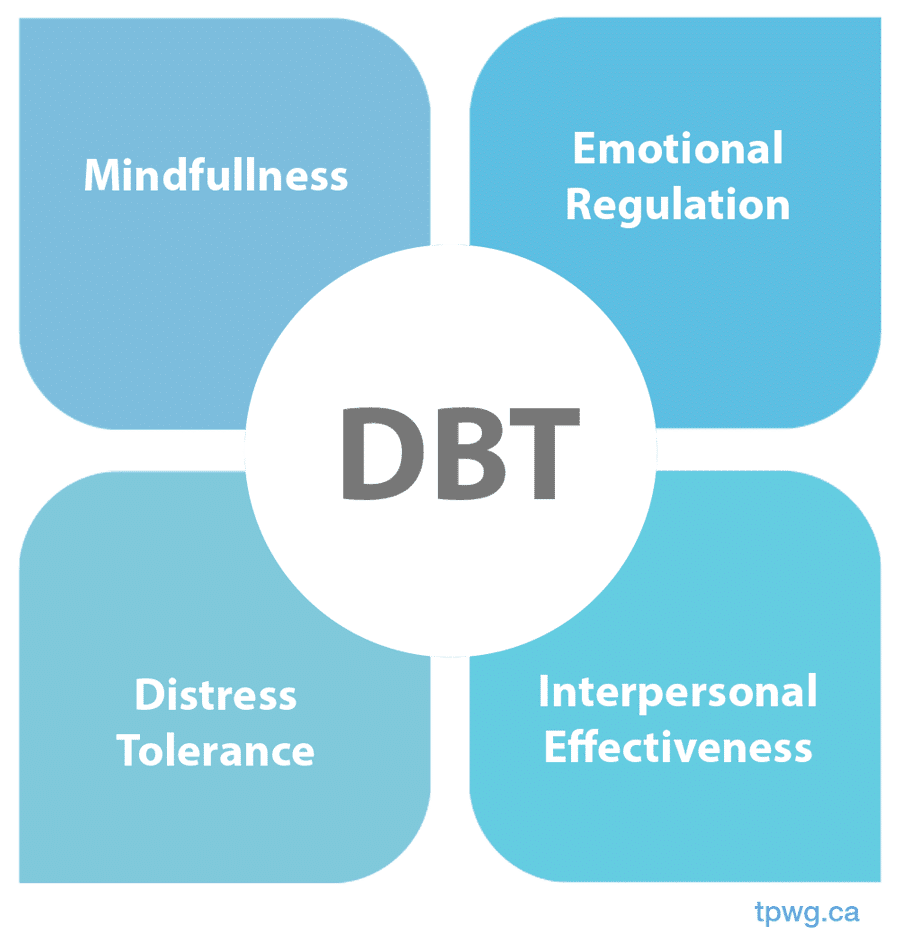
Let’s explore the crucial dialectical behavior therapy components that play a central role in this therapeutic approach:
Overall, the goal of dialectical thought in therapy is to help individuals move away from rigid, all-or-nothing thinking patterns and develop a more flexible and adaptive way of approaching themselves and their experiences. This can be particularly beneficial for individuals with emotional dysregulation, impulsive behavior, and difficulties in relationships.
The therapeutic approach known as Dialectical Behavior Therapy (DBT), originally developed by psychologist Marsha M. Linehan, serves as a comprehensive and adaptable intervention for various mental health conditions and emotional dysregulation. Initially designed for individuals with Borderline Personality Disorder (BPD), DBT has proven effective in addressing a spectrum of challenges. Here are the key applications of DBT:
Developed as a specialized treatment for BPD, DBT addresses core features such as emotional instability, intense mood swings, fear of abandonment, and impulsivity.
Effective in treating individuals with intense and difficult-to-manage emotions, extending beyond BPD to include mood disorders, anxiety disorders, and post-traumatic stress disorder (PTSD).
DBT incorporates strategies for managing self-harming behaviors and suicidal thoughts, fostering healthier coping mechanisms and promoting a life worth living.
DBT has been adapted for use in treating substance use disorders, addressing the complex interplay between emotional dysregulation and addictive behaviors. It is often incorporated into comprehensive treatment programs for addiction.
DBT has been applied to the treatment of eating disorders, particularly when there is a co-occurring emotional dysregulation. It can help individuals address underlying emotional issues related to their relationship with food and body image.
DBT has shown promise in the treatment of PTSD. Especially for individuals who have experienced trauma and struggle with emotional regulation. It can be used as part of a comprehensive approach to trauma-focused therapy.
For individuals with persistent thoughts of suicide, DBT provides tools and coping strategies to manage and reduce suicidal ideation. It emphasizes building a life that is fulfilling and meaningful.
DBT includes skills training in interpersonal effectiveness, helping individuals improve their communication, navigate relationships, and build a support network.
Beyond specific diagnoses, DBT is increasingly used to enhance overall mental health and well-being. It equips individuals with practical skills to cope with stress, regulate emotions, and make positive life choices.
DBT is a comprehensive and structured therapy. It combines individual therapy sessions, group skills training, phone coaching, and therapist consultation teams. Its multifaceted approach makes it adaptable to a variety of mental health challenges. Therefore, making it a valuable resource in the field of psychotherapy.
DBT is a comprehensive and structured therapeutic model that combines individual therapy sessions, group skills training, phone coaching, and therapist consultation teams. The multifaceted approach of DBT, comprising various dialectical behavior therapy components, renders it adaptable to a diverse array of mental health challenges, solidifying its standing as a valuable resource in the field of psychotherapy.
If you’re curious to delve deeper into the specifics of these components, explore the ins and outs of dialectical behavior therapy components, here.
Below are instances illustrating how dialectical thinking can be applied in therapy:
Utilizing dialectical thinking proves advantageous for both therapists and clients, fostering enhanced communication, comprehension, and acceptance. This approach holds the potential to instigate positive transformations in the lives of clients.