Opioid Detox in Southwest Florida: What Patients and Families Should Expect

For individuals and families in Southwest Florida facing opioid addiction, one of the first questions is often about detox. What does opioid detox involve? Is it necessary? And what happens after it’s complete? Understanding the detox process can reduce uncertainty and help families make informed decisions about treatment. While detox is often an important first step, it is only the beginning of recovery. At Calusa Recovery, we help adults determine whether opioid detox is needed and guide them into structured outpatient treatment once they are medically stable. What Is Opioid Detox? Opioid detox is a short-term medical process that helps individuals safely stop using opioids while managing withdrawal symptoms. These substances may include prescription pain medications, heroin, or synthetic opioids. Detox focuses on: Managing withdrawal symptoms Ensuring physical safety Stabilizing the body Preparing individuals for ongoing treatment Detox does not address the psychological or behavioral aspects of addiction, which is why follow-up care is essential. Why Opioid Withdrawal Is Challenging Opioid withdrawal is not typically life-threatening, but it can be extremely uncomfortable and difficult to manage without support. The intensity of symptoms often leads individuals to relapse if detox is attempted without medical supervision. Common withdrawal symptoms include: Muscle aches and body pain Anxiety and restlessness Sweating and chills Nausea or vomiting Insomnia Strong cravings Because of these symptoms, many individuals benefit from a medically supervised detox process. When Opioid Detox Is Necessary Detox may be recommended if an individual: Uses opioids regularly or daily Experiences withdrawal symptoms when stopping Has developed physical dependence Has attempted to quit unsuccessfully Is at risk of relapse due to withdrawal discomfort A clinical assessment helps determine whether detox is the safest starting point. What to Expect During Detox Opioid detox is typically completed in a medical setting where individuals are monitored and supported throughout the withdrawal process. During detox, individuals may receive: Medical monitoring of symptoms Medications to reduce withdrawal discomfort Hydration and nutritional support Stabilization before beginning therapy Detox timelines vary, but many individuals complete the process within several days to a week. What Happens After Detox? Detox alone is not enough to treat opioid addiction. Without continued treatment, relapse risk remains high because the underlying causes of addiction have not been addressed. After detox, individuals typically transition into structured outpatient care. Partial Hospitalization Program (PHP) Our PHP program provides the highest level of outpatient support. Clients attend structured daytime treatment and return home in the evenings. This program includes: Individual therapy Group counseling Psychiatric evaluation and medication management Relapse prevention planning Coping skill development PHP is often appropriate for individuals stepping down from detox. Intensive Outpatient Program (IOP) The Intensive Outpatient Program allows individuals to attend treatment multiple days per week while maintaining work or family responsibilities. IOP focuses on: Identifying triggers Managing cravings Developing relapse prevention strategies Building structure and accountability Outpatient Therapy Outpatient counseling provides continued support for individuals with milder symptoms or those maintaining progress after higher levels of care. Dual Diagnosis Treatment Many individuals struggling with opioid addiction also experience anxiety, depression, or trauma. Calusa Recovery uses a dual diagnosis approach to treat both conditions simultaneously. Sober Living Support Sober living environments provide additional structure and accountability for individuals who benefit from a supportive recovery-focused living situation. Supporting a Loved One Through Detox Families play an important role during the early stages of recovery. Supporting a loved one through detox may include: Encouraging professional treatment Avoiding judgment or confrontation Learning about addiction and recovery Setting healthy boundaries Participating in family support when appropriate Education and support can help families navigate this process more effectively. Opioid Recovery Support in Southwest Florida Opioid detox can feel overwhelming, but it is a critical first step for many individuals beginning recovery. With the right medical support and follow-up care, individuals can safely transition into long-term treatment. Calusa Recovery provides compassionate, evidence-based outpatient addiction treatment for adults throughout Southwest Florida. Through PHP, IOP, outpatient therapy, dual diagnosis care, and sober living support, our team helps individuals build a foundation for lasting recovery. Contact Calusa Recovery today to learn more about opioid detox and treatment options in Southwest Florida.
Drug Rehab in Fort Myers: What Makes Treatment Effective

Choosing a drug rehab program is one of the most important decisions someone can make when seeking recovery. In Fort Myers and throughout Southwest Florida, there are many treatment options available, but not every program provides the same level of care or long-term results. Effective addiction treatment goes beyond simply stopping substance use. It focuses on understanding the underlying causes of addiction, building healthier coping strategies, and creating a sustainable path toward long-term recovery. At Calusa Recovery, we help adults throughout Fort Myers understand what makes addiction treatment effective and provide structured outpatient programs designed to support lasting recovery. The Importance of Individualized Treatment Addiction affects every person differently. Factors such as mental health history, trauma, substance use patterns, and personal circumstances all play a role in how treatment should be structured. Effective rehab programs begin with a comprehensive clinical assessment to develop an individualized treatment plan. Personalized treatment allows providers to: Address specific substance use patterns Identify emotional or psychological triggers Treat co-occurring mental health conditions Adapt therapy to the individual’s needs This individualized approach improves engagement and long-term outcomes. Treating the Root Causes of Addiction Substance use often develops as a way to cope with stress, trauma, anxiety, depression, or other emotional challenges. Effective treatment addresses these underlying issues rather than focusing only on the substance itself. Therapeutic approaches may focus on: Emotional regulation and stress management Identifying triggers and behavioral patterns Processing past trauma Developing healthier coping skills By addressing the root causes of addiction, individuals can build a stronger foundation for long-term recovery. Structured Levels of Care Effective treatment programs provide multiple levels of care so individuals can receive the right amount of support based on their needs. Partial Hospitalization Program (PHP) Our Partial Hospitalization Program (PHP) provides the highest level of outpatient structure. Clients attend daytime treatment and return home in the evenings. This program includes: Individual therapy Group counseling Psychiatric evaluation and medication management Relapse prevention planning Emotional regulation and coping skill development PHP is often appropriate for individuals transitioning from detox or those needing intensive therapeutic support. Intensive Outpatient Program (IOP) The Intensive Outpatient Program (IOP) allows individuals to participate in treatment several days per week while maintaining work or family responsibilities. IOP focuses on: Identifying triggers and high-risk situations Strengthening relapse prevention strategies Building accountability and healthy routines Improving emotional awareness and coping skills Outpatient Therapy Outpatient Therapy provides ongoing support for individuals with milder substance use concerns or those stepping down from higher levels of care. Dual Diagnosis Treatment Many individuals struggling with addiction also experience mental health conditions such as anxiety, depression, or trauma. Treating addiction without addressing these issues can increase relapse risk. Calusa Recovery uses a dual diagnosis approach that treats both substance use and mental health conditions together, helping individuals achieve more stable and sustainable recovery. The Role of Relapse Prevention Recovery does not end when a treatment program is completed. Effective rehab programs emphasize relapse prevention and long-term skill development. Relapse prevention strategies often include: Recognizing triggers and high-risk environments Developing coping strategies for stress and cravings Building healthy daily routines Strengthening support systems These tools help individuals maintain recovery after treatment. Supportive Recovery Environments A supportive environment plays a significant role in recovery success. For individuals who benefit from additional structure, sober living environments can provide stability while continuing outpatient treatment. Sober living helps individuals maintain accountability, develop healthy routines, and remain connected to recovery-focused support. Finding Effective Drug Rehab in Fort Myers Addiction recovery is a process that requires structure, professional guidance, and ongoing support. Effective treatment programs focus on the whole person – addressing both substance use and the emotional challenges that contribute to it. Calusa Recovery provides compassionate, evidence-based outpatient addiction treatment for adults throughout Fort Myers and Southwest Florida. Through PHP, IOP, outpatient therapy, dual diagnosis care, and sober living support, our team helps individuals build the foundation for lasting recovery. Contact Calusa Recovery today to learn more about effective drug rehab options in Fort Myers.
Drug Detox in Southwest Florida: What to Expect Before Treatment

For many individuals considering addiction treatment in Southwest Florida, detox is the first major question. What does detox involve? Is it necessary? And what happens after it’s complete? Understanding the detox process can help reduce fear and uncertainty before starting treatment. Detox can be an important first step – but it is not the full recovery process. At Calusa Recovery, we help adults determine whether detox is necessary before entering structured outpatient care and guide them toward the safest starting point. What Is Drug Detox? Drug detox (short for detoxification) is a short-term medical process designed to safely manage withdrawal symptoms when someone stops using substances. The goal is physical stabilization. Detox focuses on: Monitoring withdrawal symptoms Managing medical risks Ensuring safety during early abstinence Preparing individuals for ongoing treatment Detox does not provide therapy or long-term relapse prevention. It is a medical step that prepares someone for the therapeutic work of recovery. When Detox Is Often Necessary Detox may be required if an individual: Uses opioids daily or heavily Drinks alcohol regularly in large amounts Uses benzodiazepines such as Xanax or Ativan Experiences withdrawal symptoms when stopping Has a history of severe withdrawal Has underlying medical or psychiatric instability Alcohol and benzodiazepine withdrawal can be particularly dangerous without medical supervision. Common Withdrawal Symptoms Withdrawal symptoms vary depending on the substance used. They may include: Shaking or tremors Sweating and rapid heart rate Nausea or vomiting Severe anxiety or agitation Muscle aches Insomnia Cravings Seizures (in severe cases) A clinical assessment determines whether medical detox is needed before entering outpatient treatment. When Detox May Not Be Required Not everyone entering treatment needs detox. You may be able to begin outpatient rehab directly if: You are not physically dependent Withdrawal symptoms are mild or absent You have already completed detox Substance use has not created medical instability Mental health concerns are the primary issue A professional evaluation ensures you start at the safest and most appropriate level of care. What Happens After Detox? Detox alone does not treat addiction. Without follow-up care, relapse risk remains high because the emotional and behavioral components of addiction have not been addressed. After detox, individuals typically transition into structured treatment such as: Partial Hospitalization Program (PHP) Our Partial Hospitalization Program (PHP) provides the highest level of outpatient support. Clients attend daytime programming and return home in the evenings. PHP includes: Individual therapy Group counseling Psychiatric evaluation and medication management Relapse prevention planning Emotional regulation skill development This level is often appropriate for individuals stepping down from detox. Intensive Outpatient Program (IOP) The Intensive Outpatient Program (IOP) offers therapy multiple days per week while allowing individuals to maintain work or family responsibilities. IOP focuses on: Identifying triggers Managing cravings Strengthening accountability Building coping strategies Outpatient Therapy The Outpatient Program (OP) provides continued support for individuals with milder symptoms or those maintaining progress after higher levels of care. Dual Diagnosis Treatment Many individuals struggling with addiction also experience anxiety, depression, or trauma. Calusa Recovery uses a dual diagnosis approach to treat substance use and mental health conditions together for stronger long-term outcomes. Sober Living Support For individuals who benefit from added structure, Sober Living offers a recovery-focused environment that promotes accountability and healthy routines while participating in outpatient care. Why Professional Guidance Matters Trying to determine whether detox is needed without medical input can be risky. A clinical assessment evaluates: Substance use patterns Withdrawal risk Medical history Mental health conditions Safety concerns This evaluation ensures you begin recovery at the safest level. Taking the First Step in Southwest Florida If you’re considering treatment, understanding detox is an important part of the process. Detox may be necessary for some – but it is only the beginning of recovery. Long-term stability happens through structured therapy, skill development, and consistent support. Calusa Recovery provides compassionate, evidence-based outpatient addiction treatment for adults across Southwest Florida. Our team can help determine whether detox is needed and guide you toward the right next step. Contact Calusa Recovery today to learn more about detox and outpatient treatment options.
Alcohol Rehab in Fort Myers: When Drinking Becomes a Health Risk

Alcohol is widely accepted in social settings, but for many adults in Fort Myers and throughout Southwest Florida, drinking can gradually shift from occasional use to a serious health risk. Because alcohol is legal and culturally normalized, it can be difficult to recognize when use has crossed the line into something harmful. At Calusa Recovery, we help adults understand when drinking becomes dangerous and provide structured outpatient alcohol rehab designed to support long-term recovery and overall wellbeing. When Is Drinking a Health Risk? Not everyone who drinks develops alcohol use disorder. However, alcohol becomes a health risk when use begins affecting physical health, mental stability, relationships, or daily responsibilities. Warning signs may include: Drinking more frequently or in larger amounts than intended Needing alcohol to relax, sleep, or cope with stress Increased tolerance (needing more alcohol for the same effect) Blackouts or memory gaps Continued drinking despite health concerns Irritability or mood swings when not drinking Difficulty cutting back despite attempts When these patterns emerge, professional support may be necessary. Physical and Mental Health Risks of Alcohol Misuse Alcohol misuse can impact nearly every system in the body. Over time, heavy or consistent drinking increases the risk of: Liver disease Heart complications High blood pressure Sleep disruption Anxiety and depression Cognitive impairment Accidents and injuries Alcohol often worsens underlying mental health conditions, creating a cycle of increased use and emotional instability. When to Consider Alcohol Rehab It may be time to consider alcohol rehab if: Drinking is interfering with work or family life You feel unable to stop or control use Withdrawal symptoms occur when not drinking Drinking is used to manage anxiety or depression Loved ones express concern about alcohol use Health issues are developing Early intervention improves outcomes and reduces long-term medical risk. Outpatient Alcohol Rehab Options at Calusa Recovery Calusa Recovery provides structured, outpatient alcohol treatment for adults in Fort Myers who are medically stable and ready to begin recovery-focused care. Partial Hospitalization Program (PHP) Our Partial Hospitalization Program (PHP) offers the highest level of outpatient support. Clients attend structured daytime programming and return home in the evenings. This level of care includes: Individual and group therapy Psychiatric evaluation and medication management Education about alcohol’s impact on health Relapse prevention and coping skill development Emotional regulation strategies Intensive Outpatient Program (IOP) The IOP Program provides therapy multiple days per week while allowing individuals to maintain work and family responsibilities. IOP focuses on: Identifying triggers Building coping skills Strengthening accountability Managing cravings and stress Outpatient Therapy Our Outpatient Program offers continued support for individuals with milder alcohol use concerns or those stepping down from higher levels of care. Dual Diagnosis Treatment Alcohol misuse often co-occurs with anxiety, depression, or trauma. Calusa Recovery’s Dual Diagnosis Program treats both substance use and mental health conditions together to support long-term stability. Sober Living Support For individuals who benefit from additional structure, Sober Living provides a supportive, recovery-focused environment that promotes accountability and healthy routines while participating in outpatient treatment. Do You Need Detox First? For some individuals, medical detox may be necessary before starting outpatient treatment – particularly if moderate to severe withdrawal symptoms are expected. A professional assessment can determine whether detox is required before entering structured rehab. Detox addresses physical stabilization, while treatment focuses on behavioral and emotional recovery. Recovery Is Possible Alcohol use disorder is treatable, and early action can prevent serious long-term health consequences. With the right level of care, individuals can regain physical health, emotional balance, and control over their lives. Calusa Recovery provides compassionate, evidence-based outpatient alcohol rehab for adults throughout Fort Myers and Southwest Florida. Whether you need the structure of PHP, the flexibility of IOP, or ongoing support through Outpatient Therapy, Dual Diagnosis Care, or Sober Living, our team is here to help. Contact Calusa Recovery today to learn more about alcohol rehab options and take the next step toward a healthier future.
Southwest Florida Opioid Recovery: How Local Programs Are Helping Reverse Overdose Trends

Opioid use continues to impact individuals and families across Southwest Florida, but there is meaningful progress happening at the local level. Through expanded access to treatment, increased community awareness, and evidence-based recovery programs, overdose trends are beginning to shift in a positive direction. At Calusa Recovery, we support adults throughout Southwest Florida by providing structured, outpatient opioid recovery services that focus on safety, stability, and long-term success. Understanding the Opioid Crisis in Southwest Florida Opioids – including prescription pain medications and illicit substances – can quickly lead to dependence and increased overdose risk. In Southwest Florida, contributing factors often include: Prescription opioid exposure following injury or surgery Chronic pain and limited access to alternative treatments Co-occurring anxiety, depression, or trauma Social isolation and economic stress Lack of early intervention or follow-up care While these challenges are real, local recovery programs are making a measurable difference by focusing on treatment continuity and community-based support. How Local Recovery Programs Are Making an Impact One of the most important shifts in opioid recovery is the move toward accessible, outpatient-based care that allows individuals to stay connected to their lives while receiving treatment. Local programs are helping by: Offering multiple levels of outpatient care Integrating mental health and substance use treatment Providing psychiatric oversight and medication support when appropriate Emphasizing relapse prevention and real-world coping skills Supporting long-term recovery planning These approaches reduce barriers to treatment and improve engagement – both critical to lowering overdose risk. Treating Opioid Use and Mental Health Together Opioid use disorder often co-occurs with mental health conditions such as anxiety, depression, or PTSD. Treating one without the other increases the risk of relapse and overdose. Calusa Recovery takes a dual diagnosis approach, addressing opioid use and underlying mental health concerns simultaneously through therapy, psychiatric services, and individualized treatment planning. Outpatient Opioid Recovery Options at Calusa Recovery Calusa Recovery offers flexible, evidence-based treatment options for adults in Southwest Florida who are medically stable and ready to engage in recovery-focused care. Partial Hospitalization Program (PHP) Our PHP Program provides the highest level of outpatient support. Clients attend structured daytime programming and return home in the evenings. PHP includes: Individual and group therapy Psychiatric evaluation and medication management Education on opioid use and overdose prevention Relapse prevention and emotional regulation skills Intensive Outpatient Program (IOP) The IOP Program offers therapy multiple days per week, allowing individuals to receive consistent support while maintaining work or family responsibilities. IOP focuses on: Managing cravings and triggers Building coping and stress-management skills Strengthening accountability and routine Outpatient Therapy Outpatient Counseling provides ongoing support for individuals with milder symptoms or those stepping down from higher levels of care. This level of care helps sustain recovery progress over time. Sober Living Support For individuals who benefit from added structure, Sober Living offers a supportive, recovery-focused environment that promotes stability, accountability, and peer connection while participating in outpatient treatment. Why Community-Based Treatment Helps Reduce Overdose Risk Outpatient recovery programs help individuals: Stay engaged in treatment longer Apply coping skills in real-life situations Maintain support systems Access ongoing clinical oversight Transition smoothly between levels of care This continuity of care is a key factor in reducing relapse and overdose rates across Southwest Florida. What Recovery Progress Looks Like As individuals engage in consistent treatment, many experience: Reduced cravings and improved emotional regulation Increased awareness of triggers and high-risk situations Stronger daily routines and support networks Improved mental health and stability Clear plans for long-term recovery Recovery is a process – but with the right structure and support, progress is absolutely achievable. Hope and Help in Southwest Florida The opioid crisis is serious, but recovery is possible – and local programs are making a real difference. Access to effective, outpatient-based treatment plays a critical role in reversing overdose trends and supporting healthier communities. Calusa Recovery provides compassionate, evidence-based opioid recovery services for adults throughout Southwest Florida. Whether you need the structure of PHP, the flexibility of IOP, or ongoing support through Outpatient Therapy or Sober Living, our team is here to help. Contact Calusa Recovery today to learn more about opioid recovery options and take the next step toward a safer, healthier future.
Cape Coral Drug Rehab: What to Expect in Your First 30 Days of Treatment

Starting drug rehab can feel overwhelming, especially when you’re unsure what treatment actually looks like day to day. For many adults in Cape Coral and across Southwest Florida, uncertainty about time commitment, structure, and expectations is one of the biggest barriers to getting help. At Calusa Recovery, we provide structured, outpatient-based drug rehab designed to support recovery while allowing individuals to remain connected to their lives. Understanding what the first 30 days of treatment typically involve can make taking that first step feel far more manageable. Week 1: Assessment, Stabilization, and Treatment Planning The first week of treatment focuses on understanding your needs and building a personalized plan for recovery. During this phase, clients typically complete: A comprehensive clinical assessment Substance use and mental health screening Psychiatric evaluation when appropriate Individualized treatment planning Placement into the appropriate level of care Based on clinical needs, individuals may begin treatment in Partial Hospitalization Program (PHP), Intensive Outpatient Program (IOP), or Outpatient Therapy. Weeks 1–2: Building Structure and Early Recovery Skills Early recovery often comes with emotional and physical adjustments. During the first two weeks, treatment emphasizes routine, accountability, and stabilization. Clients begin: Individual therapy sessions Group counseling focused on early recovery Education on addiction and relapse prevention Coping strategies for cravings and stress Medication management when clinically indicated Programs like PHP and IOP provide the structure many individuals need during this adjustment period. Weeks 3–4: Skill Development and Deeper Insight As treatment continues, the focus shifts from stabilization to long-term skill-building and self-awareness. During weeks three and four, clients work on: Identifying triggers and high-risk situations Developing healthier coping mechanisms Addressing underlying emotional or mental health concerns Improving communication and emotional regulation Creating a sustainable relapse-prevention plan By this stage, many individuals begin to feel more confident managing stress and cravings without substances. Treating Mental Health Alongside Substance Use Substance use rarely exists in isolation. Anxiety, depression, trauma, and chronic stress often contribute to addiction and must be treated together. Calusa Recovery takes a dual diagnosis approach, integrating mental health therapy and psychiatric support into substance abuse treatment to improve long-term recovery outcomes. Outpatient Drug Rehab Options at Calusa Recovery Calusa Recovery offers flexible, evidence-based treatment options for adults in Cape Coral who are medically stable and ready to engage in recovery-focused care. Partial Hospitalization Program (PHP) Our PHP provides the highest level of outpatient support. Clients attend structured daytime programming and return home in the evenings. PHP includes: Individual and group therapy Psychiatric evaluation and medication management Daily structure and accountability Skill-building for relapse prevention and emotional regulation Intensive Outpatient Program (IOP) The IOP Program offers therapy multiple days per week while allowing individuals to balance work, family, and recovery. IOP focuses on consistency, coping skills, and real-world application. Outpatient Therapy Outpatient Counseling provides ongoing support for individuals with milder symptoms or those stepping down from higher levels of care. Sober Living Support For individuals who benefit from added structure, Sober Living offers a supportive, recovery-focused environment that reinforces routine, accountability, and peer connection while participating in outpatient treatment. What Progress Looks Like After the First 30 Days By the end of the first month, many clients experience: Improved emotional stability Reduced cravings and stronger coping skills Increased insight into triggers and patterns More consistent daily routines Clear next steps for continued care While recovery is ongoing, the first 30 days establish a critical foundation for long-term success. Starting Drug Rehab in Cape Coral If you’re considering drug rehab in Cape Coral, knowing what to expect can make starting treatment feel far less intimidating. You don’t have to wait for things to get worse to get help. Calusa Recovery provides compassionate, evidence-based outpatient drug rehab for adults throughout Southwest Florida. Whether you need the structure of PHP, the flexibility of IOP, or continued support through Outpatient Therapy or Sober Living, our team is here to support you. Contact Calusa Recovery today to learn more about what your first 30 days of treatment can look like.
How to Choose the Right Rehab in Southwest Florida: Detox vs. Residential vs. Outpatient

Choosing the right rehab program in Southwest Florida can feel overwhelming – especially when you’re trying to understand the differences between detox, residential treatment, and outpatient care. Each level of treatment serves a different purpose, and selecting the right one depends on medical needs, substance use severity, mental health factors, and daily responsibilities. At Calusa Recovery, we help adults navigate these options and determine whether structured outpatient care – such as Partial Hospitalization Program (PHP), Intensive Outpatient Program (IOP), Outpatient Therapy, Dual Diagnosis Treatment, or Sober Living Support – is the right fit for their recovery journey. Understanding the Different Levels of Rehab Care Not all rehab programs offer the same services or level of intensity. Knowing how each level works can help individuals and families make informed decisions. Medical Detox Detox is typically the first step for individuals who are physically dependent on substances and require medical supervision during withdrawal. Detox focuses on stabilization and safety – but it does not address the underlying causes of addiction. After detox, individuals still need therapeutic treatment to prevent relapse. This is where programs like PHP, IOP, or Outpatient Treatment become essential. Residential Treatment Residential or inpatient rehab provides 24/7 care in a live-in setting. This level of care may be appropriate for individuals with severe substance use disorders, unstable living environments, or repeated relapses. However, residential treatment is not always necessary – and for many adults, it can disrupt work, family responsibilities, and long-term stability. Outpatient Treatment Outpatient care allows individuals to receive structured, evidence-based treatment while continuing to live at home. This model helps clients apply recovery skills in real-world environments while maintaining daily responsibilities. Calusa Recovery specializes in outpatient-based treatment, offering multiple levels of care depending on each person’s needs. When Outpatient Treatment Is the Right Choice Many adults in Southwest Florida are good candidates for outpatient care – especially if they are medically stable and motivated to engage in treatment. Outpatient care is often appropriate for individuals who: Do not require medical detox Have a stable living environment Are managing work or family responsibilities Have mild to moderate substance use concerns Need treatment for co-occurring mental health conditions Are stepping down from higher levels of care Programs like PHP and IOP provide structure and accountability without requiring inpatient admission. Outpatient Treatment Options at Calusa Recovery 1. Partial Hospitalization Program (PHP) Our PHP offers the highest level of outpatient support. Clients attend treatment during the day and return home in the evenings. PHP includes: Individual therapy Group counseling Psychiatric evaluation and medication management Dual diagnosis treatment Relapse prevention planning PHP is ideal for individuals who need intensive support but do not require residential care. 2. Intensive Outpatient Program (IOP) The IOP Program offers therapy several days per week, making it a strong option for individuals balancing recovery with work or family life. IOP focuses on coping skills, trigger management, and accountability. 3. Standard Outpatient Therapy Outpatient Counseling provides weekly or biweekly therapy for individuals with milder symptoms or those maintaining progress after PHP or IOP. 4. Dual Diagnosis Treatment Substance use and mental health conditions often occur together. Calusa Recovery’s Dual Diagnosis Program treats both simultaneously, improving long-term recovery outcomes. 5. Sober Living Support For individuals who benefit from additional structure, Sober Living offers a recovery-focused environment that reinforces accountability, routine, and peer support while participating in outpatient treatment. Why Choosing the Right Level of Care Matters Selecting the appropriate level of treatment can significantly impact recovery success. Too little support can increase relapse risk, while unnecessary inpatient care can disrupt stability and delay real-world skill development. Calusa Recovery helps individuals make informed decisions based on: Substance use history Mental health needs Physical health stability Support systems Lifestyle and responsibilities Our goal is to match each client with the level of care that provides the right amount of support at the right time. How to Get Started With Treatment in Southwest Florida If you’re unsure which level of care is appropriate, a confidential assessment can help clarify the best path forward. Many individuals discover that PHP, IOP, or Outpatient Treatment provides the structure and flexibility they need to begin healing. Recovery Is Possible With the Right Support You don’t have to navigate rehab options alone. Understanding the difference between detox, residential, and outpatient care empowers you to choose a program that supports long-term success. Calusa Recovery provides compassionate, evidence-based outpatient treatment for adults throughout Southwest Florida. Whether through PHP, IOP, Outpatient Therapy, Dual Diagnosis Care, or Sober Living, our team is here to support you every step of the way. Call Calusa Recovery today to speak with our admissions team and learn which level of care is right for you.
Cape Coral Substance Abuse Trends: How Addiction Is Impacting Local Families

Substance abuse continues to affect families across Cape Coral and Southwest Florida at alarming rates. What often begins as casual or stress-related use can quickly evolve into patterns that disrupt households, strain relationships, and create long-lasting emotional consequences for everyone involved. At Calusa Recovery, we work with adults and families impacted by substance use and co-occurring mental health conditions. Through evidence-based treatment options like Partial Hospitalization Program (PHP), Intensive Outpatient Program (IOP), Outpatient Therapy, Dual Diagnosis Care, and Sober Living, we help individuals stabilize, heal, and rebuild family trust. Substance Abuse Trends in Cape Coral Cape Coral has seen increasing concerns related to alcohol misuse, prescription drug dependency, and illicit substance use. Factors such as economic stress, social isolation, untreated mental health conditions, and increased availability of substances contribute to rising addiction rates. Common trends impacting local families include: Increased alcohol use as a coping mechanism Prescription medication misuse Co-occurring anxiety or depression Substance use interfering with parenting or employment Generational patterns of addiction Delayed treatment due to stigma or denial Many families begin seeking help when substance use starts affecting daily responsibilities, emotional stability, or family dynamics – often through IOP or Outpatient Substance Abuse Treatment. How Addiction Affects the Entire Family Addiction rarely impacts only one person. In Cape Coral households, substance use often creates ripple effects that touch spouses, children, parents, and extended family members. Emotional Strain Family members may experience chronic stress, anxiety, anger, or fear. Trust erodes, communication breaks down, and emotional safety can feel compromised. Family-focused therapy within our Outpatient and IOP Programs helps repair these emotional wounds. Financial and Legal Stress Substance abuse can lead to missed work, job loss, medical expenses, or legal issues – placing additional pressure on families already struggling to cope. Role Changes and Burnout Partners or children may take on caregiving roles, leading to resentment, exhaustion, and emotional burnout. Structured treatment through PHP or IOP helps individuals regain responsibility and stability, easing the burden on loved ones. The Link Between Addiction and Mental Health In many Cape Coral families, substance abuse co-occurs with anxiety, depression, trauma, or chronic stress. Treating addiction without addressing mental health often leads to relapse and ongoing family disruption. Calusa Recovery’s Dual Diagnosis Treatment approach ensures individuals receive integrated care that addresses both substance use and underlying mental health conditions through therapy, psychiatric support, and skill-building. Treatment Options at Calusa Recovery Calusa Recovery offers flexible, clinically grounded treatment options designed to meet individuals where they are – while keeping families involved in the healing process. 1. Partial Hospitalization Program (PHP) Our PHP Program provides structured, daytime treatment for adults who need intensive support without residential admission. PHP includes individual therapy, group counseling, psychiatric services, and relapse-prevention planning. 2. Intensive Outpatient Program (IOP) The IOP Program offers therapy multiple days per week, allowing clients to receive structured support while maintaining work and family responsibilities. This level of care is often ideal for parents or caregivers. 3. Outpatient Therapy For individuals with milder symptoms or those stepping down from higher levels of care, Outpatient Counseling provides ongoing support to maintain progress and strengthen coping skills. 4. Dual Diagnosis Care Our Dual Diagnosis Program treats substance use and mental health conditions together, improving long-term outcomes for individuals and families alike. 5. Sober Living Support For clients who benefit from added structure and accountability, Sober Living provides a supportive environment focused on stability, routine, and peer connection – often easing the transition back into family life. How Families in Cape Coral Can Take the First Step Families often wait too long to seek help, hoping the problem will resolve on its own. Early intervention leads to better outcomes and less long-term damage. Signs it may be time to seek professional support include: Repeated promises to stop using substances Escalating conflict at home Emotional withdrawal or secrecy Declining work or school performance Mental health symptoms worsening alongside substance use A confidential assessment can help determine whether PHP, IOP, or Outpatient Treatment is the most appropriate next step. Healing Families Starts With the Right Support Addiction does not define a person – or a family. With the right treatment, guidance, and support, healing and stability are possible. Calusa Recovery is committed to helping individuals and families in Cape Coral break the cycle of addiction and rebuild healthier futures. Whether through PHP, IOP, Outpatient Therapy, Dual Diagnosis Care, or Sober Living, our team provides compassionate, evidence-based care every step of the way. Call Calusa Recovery today to speak with our admissions team and learn how we can support your family’s recovery journey.
The Growing Fentanyl Crisis in Southwest Florida: What Families Need to Know
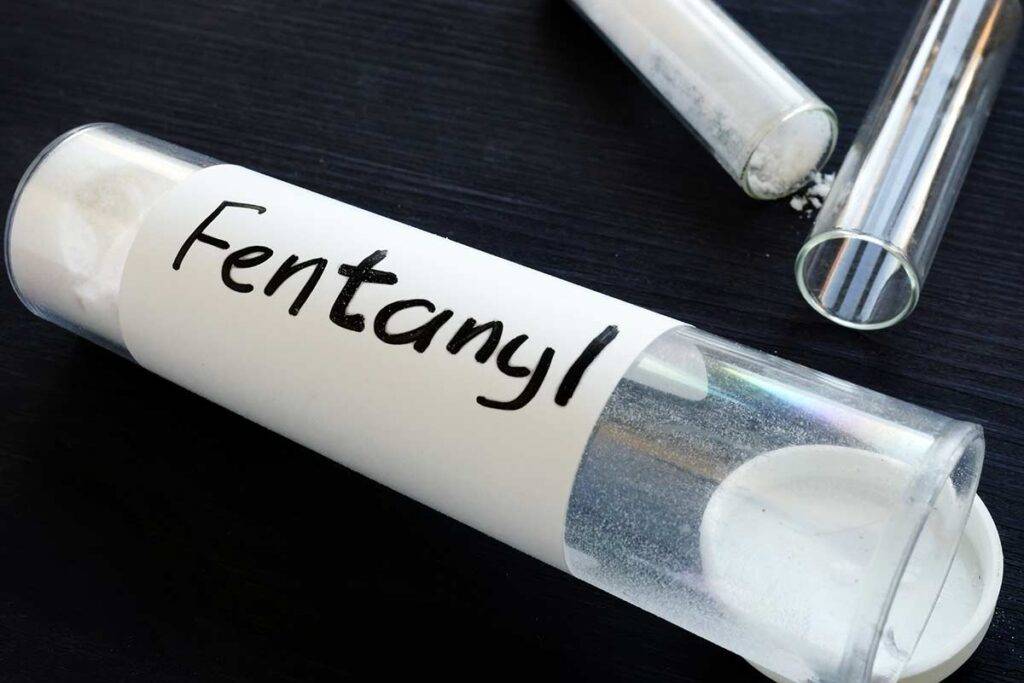
Fentanyl has transformed the landscape of addiction across the country, and Southwest Florida is no exception. Over the past few years, the region has seen a rapid rise in fentanyl-related overdoses – many involving individuals who didn’t even realize the substance they were using contained fentanyl at all. It’s a crisis that has blindsided families, overwhelmed communities, and increased the need for safe, structured addiction treatment more than ever. At Calusa Recovery, we work closely with individuals and families navigating this exact situation, helping them understand the risks and access the right level of care. Here’s what families in Southwest Florida need to know – and how meaningful recovery is absolutely possible with the right support. Why Fentanyl Has Become So Dangerous Fentanyl is 50x stronger than heroin and about 100x stronger than morphine. That level of potency makes even a tiny amount potentially lethal. In Southwest Florida, fentanyl is frequently found mixed into: • Counterfeit prescription pills• Cocaine• Heroin• Vape cartridges• Party drugs Because most people don’t know they’re taking fentanyl, the risk of accidental overdose is extremely high – especially among young adults and individuals with little to no opioid tolerance. Warning Signs of Fentanyl Use Families often miss the early signs because fentanyl use can look like extreme fatigue, mood swings, or simple changes in routine. Indicators may include: • Sudden changes in energy or alertness• Nodding off or appearing sedated• Pinpoint pupils• Social withdrawal• Hiding paraphernalia or avoiding conversations• Unusual financial behavior If you’re unsure but concerned, trust your intuition – early intervention saves lives. Why Professional Treatment Is Essential Fentanyl withdrawal is extremely dangerous to attempt without medical support. Because of its potency and fast-acting nature, cravings and withdrawal symptoms become overwhelming quickly. Calusa Recovery provides multiple treatment pathways to help individuals stabilize safely, including: • Medical Detox to help clients withdraw under proper medical supervision• Residential Treatment for those needing a high level of structure and safety• Partial Hospitalization Program (PHP) for full-day clinical programming• Intensive Outpatient Program (IOP) offering structured treatment while maintaining home life• Outpatient Program (OP) for step-down support throughout long-term recovery• Medication-Assisted Treatment (MAT) when clinically appropriate to manage cravings These options allow each client to begin recovery at the level of care that matches their clinical needs and risk level. How the Fentanyl Crisis Is Affecting Southwest Florida Families The emotional toll of this crisis is huge. Families in Fort Myers, Naples, Bonita Springs, Cape Coral, and surrounding communities are facing: • Overdose fears• Strained relationships• Anxiety about relapse• Difficulty accessing reliable treatment• Confusion about what steps to take Calusa Recovery partners with families throughout this process, offering education, communication support, and clinical guidance to help everyone better understand the recovery journey. How Calusa Recovery Helps From the first phone call, our team prioritizes safety, stabilization, and personalized care. We combine evidence-based therapies, trauma-informed treatment, dual-diagnosis support, family involvement, relapse prevention, and long-term planning to help clients rebuild their lives with stability and confidence. Our goal is simple: help individuals recover safely – and help their families heal right alongside them. Take Action Before It’s Too Late The fentanyl crisis is real, growing, and affecting families across Southwest Florida every day – but recovery is possible, and help is available right now. If you’re concerned about a loved one, reach out to Calusa Recovery today. One call can prevent a tragedy and start someone you love on the path to healing.
Alcohol Abuse in Naples, FL: Warning Signs and How to Get Help for a Loved One

Alcohol misuse is one of the most common substance-related challenges families face in Southwest Florida – especially in communities like Naples, Bonita Springs, and Marco Island. While casual drinking is socially accepted, it can quickly become difficult to recognize when use has crossed the line into something dangerous. At Calusa Recovery, we work with families every day who are trying to understand the signs, navigate emotional uncertainty, and get the right level of care for someone they love. Knowing what to look for, and where to get help, can make all the difference in preventing long-term harm. 1. Behavioral Changes That Don’t Align With “Normal” Drinking One of the earliest signs of alcohol abuse is a shift in behavior. These changes often appear subtly at first: Irritability or mood swings Secretive drinking More frequent hangovers Drinking earlier in the day or alone Avoiding family responsibilities Becoming defensive when the topic of drinking comes up Families often dismiss these signs as “stress,” but when they become consistent, they warrant deeper attention. For loved ones who may be struggling with physical dependence or severe withdrawal symptoms, a safe and supportive Detoxification program can be a necessary first step. 2. Declining Physical or Mental Health Alcohol abuse takes a significant toll on the body and mind. You may notice: Sudden weight changes Worsening anxiety or depression Decline in sleep quality Shakiness, nausea, or sweating when not drinking Reduced interest in hobbies or exercise These symptoms are common in Naples residents who turn to alcohol as a coping mechanism for stress, isolation, work pressure, or unresolved emotional pain. If alcohol use is impacting daily functioning, a structured supportive setting such as Calusa’s Inpatient Treatment Program – can offer 24/7 care, therapy, and stabilization. 3. Trouble Maintaining Work, Relationships, or Responsibilities Alcohol misuse can quickly disrupt daily life, leading to: Workplace performance issues or absenteeism Financial strain Tension or conflict within the household Missed appointments or commitments Neglect of childcare or personal responsibilities In Naples, many individuals are high-functioning professionals, which can make the signs easier to hide. But the impact on family members is often significant and emotionally draining. For those needing more support than outpatient therapy but not full residential care, Calusa’s Partial Care Program (PHP) provides a clinically intensive, highly structured environment. 4. Increasing Dependence on Alcohol to Cope One of the clearest indicators of alcohol abuse is using alcohol as the primary coping mechanism. This often looks like: Drinking to “take the edge off” after work every day Needing alcohol to relax, socialize, or sleep Feeling irritable or uncomfortable without drinking Justifying drinking due to stress, weather, friends, or routine If you begin noticing that alcohol has become the default solution in your loved one’s life, professional intervention may be necessary. For individuals in Naples who require structured therapy while still being able to maintain work or family obligations, Calusa’s Intensive Outpatient Program (IOP) provides evidence-based support and flexible scheduling. 5. Social Withdrawal and Lifestyle Changes Alcohol abuse often leads people to isolate themselves or shift their social environment. You may notice your loved one: Spending more time alone Avoiding family dinners or gatherings Socializing only in environments where drinking is central Losing interest in activities they once enjoyed This isolation not only worsens mental health but also increases the risk of dependence. How Calusa Recovery Helps Families in Naples, FL When alcohol misuse is affecting someone you love, it can be overwhelming to know what to do next. Calusa Recovery provides a full continuum of care designed to meet individuals exactly where they are in their journey, including: Detoxification Inpatient Treatment Partial Care Program Intensive Outpatient Program (IOP) Outpatient services Virtual options Sober living support Holistic and evidence-based therapies Every treatment plan is customized, integrating clinical care, family communication, and long-term relapse prevention. Supporting a Loved One Starts With One Conversation Approaching a family member about alcohol misuse isn’t easy – but doing so early can prevent serious health, financial, and relationship consequences. Families in Naples don’t have to navigate this alone. The team at Calusa Recovery is here to guide you through the next steps, answer questions, and provide the care your loved one deserves. Whether you’re noticing early warning signs or dealing with a more urgent situation, reaching out now can make all the difference in helping your loved one reclaim their health and their life.