Diagnosis for Alcohol Abuse: A Step-by-Step Guide
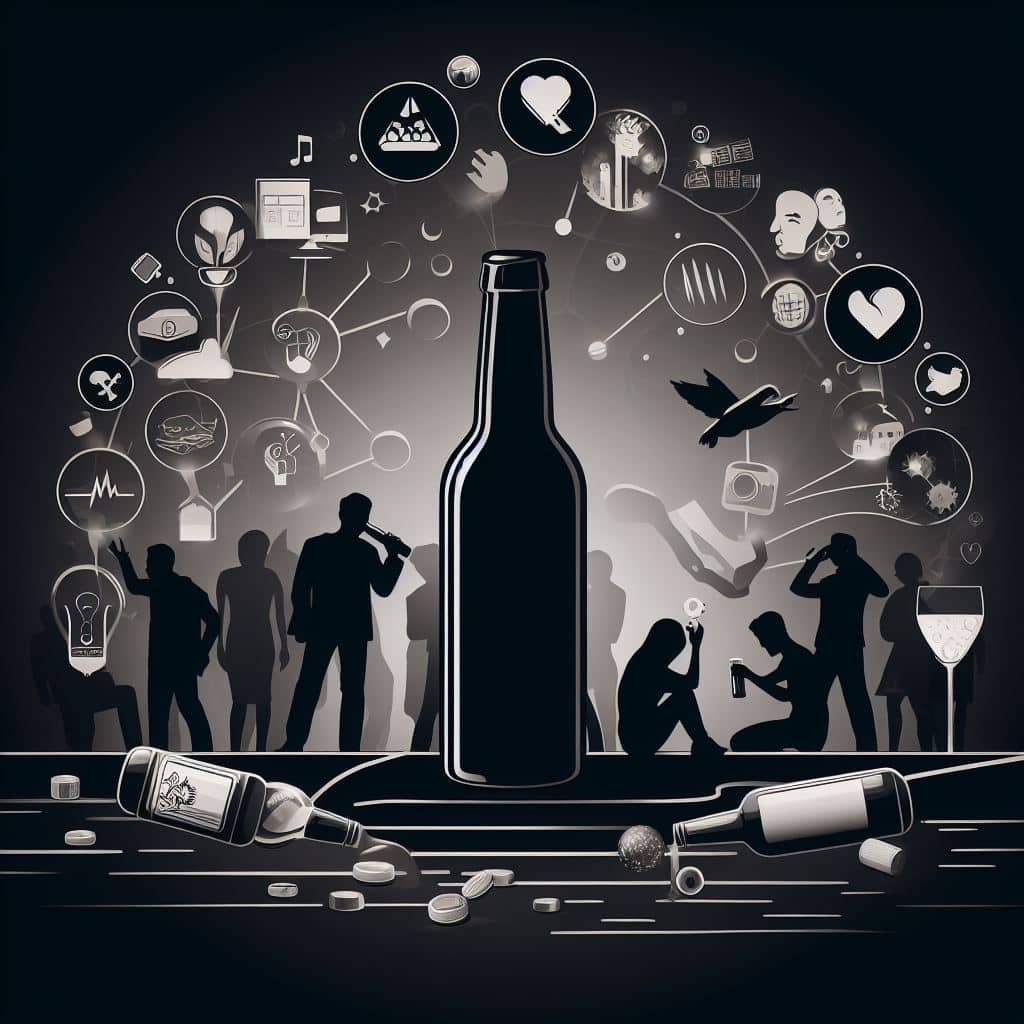
They say a glass of wine a day keeps the doctor away, but what happens when that glass turns into a bottle, or two, or three? Don’t worry, I am not here to be buzzkills, but it’s time to uncork the conversation about diagnosis for alcohol abuse. The journey towards diagnosing alcohol abuse often begins with self-reflection. It’s not about judgment but understanding your relationship with alcohol. Ask yourself – “Has alcohol become a regular presence in my life? Do I find it challenging to say no when I should?” Being honest with yourself is the first step! Alcohol abuse may manifest through subtle signs. It could be the inability to stop at just one drink, finding yourself frequently turning to alcohol to cope with stress, or witnessing a decline in your overall well-being. These are the flags that shouldn’t be ignored. It’s common for everyone that when we choose to stop drinking, we usually think about what we’re losing. But it’s better to concentrate on what we can gain! But a more influential way to look at it may be to allow know all we might have to gain! This is your time to live the life you truly want. An alcohol overdose can be deadly if not treated immediately and eventually lead to alcohol poisoning. It happens when there is so much alcohol in the bloodstream that areas of the brain controlling basic functions like breathing, heart rate, and temperature control begin to shut down. What are the signs of alcohol poisoning? It’s PUBS! P= Puking U= Unresponsive/Unconscious B= Bluish Skin S= Slow, shallow, irregular breathing You may have had a hangover and recovered just fine. However, alcohol poisoning is dangerous and can be life-threatening. It happens when a person drinks a large volume of alcohol in a short time. Alcohol poisoning can result from drinking any type of alcohol, including beer, wine, or liquor. As your stomach digests and absorbs alcohol, the alcohol enters your bloodstream, and your alcohol blood level begins to rise. Your liver breaks down alcohol. But when blood alcohol levels are high, your overwhelmed liver can’t remove the toxins rapidly. The extra alcohol in the bloodstream is a depressant. That means it reduces normal function. In this case, it affects the tract of the brain that controls vital body functions, such as breathing, heart rate, blood pressure, and temperature. As blood alcohol continues to rise, the depressant effect is more substantial. The importance of accurate diagnosis Alcohol abuse has far-reaching consequences that extend beyond the individual consuming the alcohol. It affects relationships, physical health, mental well-being, and overall quality of life. Understanding the impact of alcohol abuse is essential in recognizing the need for accurate diagnosis and appropriate treatment. Alcohol abuse can lead to a wide range of physical health problems, including liver disease, cardiovascular problems, and an increased risk of certain types of cancer. It can also exacerbate existing mental health conditions, such as depression and anxiety, and contribute to the development of new psychological disorders. Beyond the physical and mental health aspects, alcohol abuse often strains relationships with family, friends, and colleagues. Impaired judgment and behavior changes can lead to conflicts, broken trust, and social isolation. Recognizing the impact of alcohol abuse on these various facets of life is essential for accurately diagnosing and addressing the problem at its root. Alcohol poisoning is an emergency and needs to be prevented on time. Preventing alcohol poisoning is important and involves responsible alcohol consumption and awareness of the risks associated with excessive drinking. Here are some steps to help avoid alcohol poisoning: Know Standard Drink Sizes: Familiarize yourself with what constitutes a standard drink, which typically contains about 14 grams of pure alcohol. Different beverages and serving sizes contain varying amounts of alcohol, so understanding this is important. Avoid Binge Drinking: Binge drinking is defined as consuming five or more drinks in a row for men or four or more for women within a short period. Avoid excessive, rapid consumption of alcohol, which significantly increases the risk of alcohol poisoning. Stay Hydrated: Drink water or non-alcoholic beverages between alcoholic drinks to stay hydrated. Alcohol can dehydrate your body, and maintaining proper hydration can help mitigate its effects. Know Your Limit: Understand your limits and stick to them. If you start to feel intoxicated, it’s essential to stop drinking immediately. Don’t Drink and Drive: Alcohol impairs your ability to drive safely. Always designate a sober driver or use alternative transportation if you’ve been drinking. Watch Out for Medication Interactions: Be cautious when mixing alcohol with medications. Some drugs, when combined with alcohol, can increase the risk of alcohol poisoning or other adverse effects. It can be hard to decide if you think someone is drunk enough to need medical help. But it’s best to take action right away rather than be sorry later. You may worry about what will happen to you or a friend or family member, especially if underage. But the results of not getting help in time can be far more serious. Signs and symptoms of alcohol abuse Accurate diagnosis is crucial for effective treatment planning and intervention. It provides individuals with a clear understanding of the severity of their alcohol abuse and helps healthcare professionals determine the most appropriate course of action. Misdiagnosis or underdiagnosis of alcohol abuse can have serious consequences. Without an accurate diagnosis, individuals may not receive the necessary support and treatment they require. This can perpetuate the cycle of alcohol abuse and lead to further physical, mental, and emotional harm. Furthermore, accurate diagnosis enables healthcare professionals to identify any underlying factors contributing to alcohol abuse, such as co-occurring mental health conditions or traumatic experiences. Addressing these underlying issues alongside alcohol abuse is essential for long-term recovery and preventing relapse. The DSM-5 and Alcohol Use Disorder The DSM-5 (Diagnostic and Statistical Manual of Mental Disorders, Fifth Edition) is a crucial tool for mental health professionals. It provides a standardized framework for diagnosing various mental health conditions,