
Uncovering The Root Cause of Social Anxiety
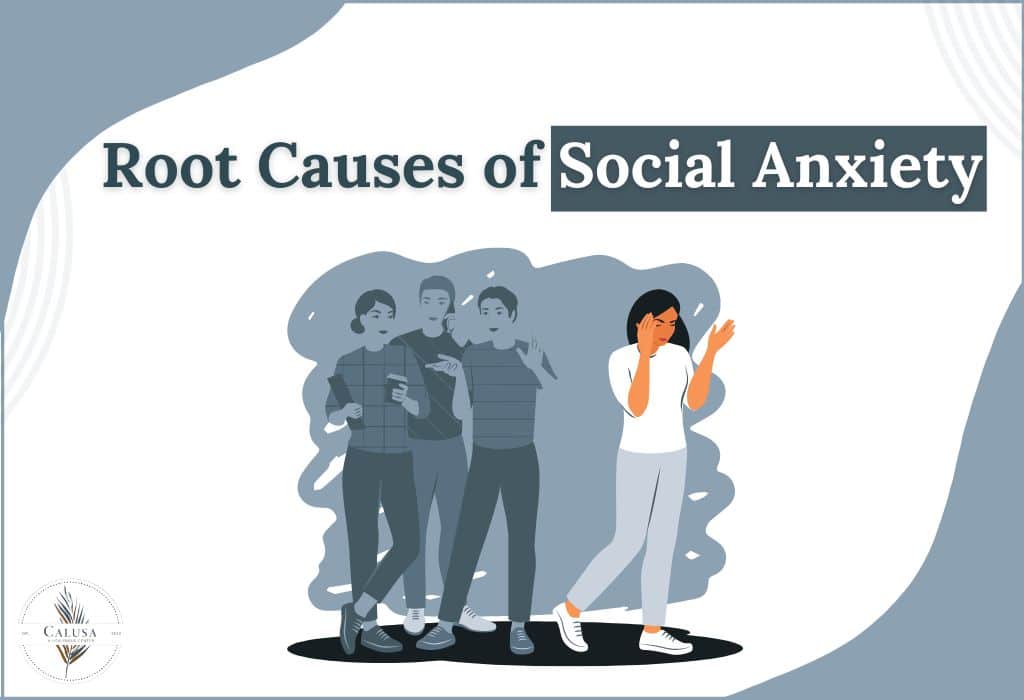
We all have such moments in our lives where we feel a little nervous, suspicious of the outcome, and anxious about the process but such sudden events can’t be the root cause of social anxiety, a chronic mental health condition that is treatable. According to NIMH, social anxiety ranks in the top 3 mental health disorders in the United States which is alarming not just for the country but for the entire world. Developing self-confidence is one of the crucial steps in overcoming social anxiety and can help you deal with any situation patiently. Through this blog, we are trying to normalize this feeling of being anxious and handling situations smartly. Overcoming social anxiety is possible! With proven treatments like inpatient and outpatient therapies, holistic practices, and adventure therapy, there’s a path for everyone. End Anxiety Today 866.939.6292 What is Social Anxiety? Social anxiety is a great example of the Spotlight effect. This is when people feel like they’re being watched, judged, and noticed more than they are. Social anxiety is more than just shyness. An intense, enduring fear of being scrutinized, mocked, or embarrassed in social settings is known as social anxiety disorder (SAD). Work, school, and interpersonal relationships may all be impacted. Individuals suffering from social anxiety disorder may avoid being a part of social events frequently. Social Anxiety Symptoms One of the most common characteristics of people suffering from social anxiety disorder is a constant fear in social situations where they prefer to limit their social interactions with anyone and everyone. Although this is an important factor to be addressed, the root cause of social anxiety disorder (SAD) is more than just a lack of social interactions. How comfortable we feel in social situations is usually influenced by our life experiences and personality. So, if someone isn’t very social, it doesn’t necessarily mean they have social anxiety disorder. Here are some of the common symptoms in people with social anxiety: Fear of negative judgment from people around you Worrying about how people are perceiving you Avoiding yourself to be the center of attraction Limiting social interactions by thinking of the worst-case scenarios Blushing, sweating, fumbling frequently in front of others Trouble catching your breath Increased rate of heartbeat whenever you are with people who barely know Avoiding any conversation, eye contact, eating with others, etc. Understanding the symptoms of any problem is the first step in curing it. Going forward, we will study the root cause of social anxiety and the methods to treat this well. Root Causes of Social Anxiety Social anxiety is said to have the highest lifetime prevalence rate of 12% as compared to the lifetime prevalence of other mental health disorders which is 5% for panic disorder, 6% for generalized anxiety disorder, 7% for post-traumatic stress disorder (PTSD) and 2% for obsessive-compulsive disorder (OCD) Here are some of the prevalent causes of social anxiety: Genetic Causes of Social Anxiety Disorder Genetics play an important role in determining what type of individual you become. Social anxiety can be an inherited behavior too, however, it’s difficult to find the ratio of cases occurring due to genes and learned behavior. Environmental Causes of Social Anxiety Sometimes, things that happen around us can make us feel anxious in social situations. If we’ve had bad experiences when we were younger, like being bullied or feeling left out, it might make us worry more about social stuff later on. Also, the way society expects us to act or look can make us feel anxious too, especially if we think we don’t fit in. Societal Causes of Social Anxiety The pressure to fit in with what others think is “cool” or “normal” can make us feel anxious. Social media can also make us feel this way because we see a lot of perfect-looking people and fun stuff online, which can make us feel like we’re not good enough. It’s important to remember that what we see online isn’t always real. Biological Causes of Social Anxiety Our brains and bodies can also play a part in making us feel anxious in social situations. Parts of our brains that deal with fear might work differently in people with social anxiety. Also, chemicals in our brains called neurotransmitters can affect how we feel. The Amygdala, a structure in our brain may have some level of control in fear response. People who have a more active amygdala than normal brain have heightened fear response mechanisms and hence, can cause anxiety in social situations. How to Address the Root Cause of Social Anxiety? Seeking professional help is the best decision in case of any mental and physical health conditions but here are some other ways to treat the root cause of social anxiety and get out of this loop of constantly doubting yourself: Cognitive-behavioral Model Of Social Anxiety: The cognitive-behavioral paradigm states that a skewed perception of oneself and the environment is what leads to social anxiety. Individuals with this illness may believe they are unattractive, foolish, or inept. The idea that others are evaluating them and won’t approve of them could be troubling for them. Anxiety and avoidance behaviors might result from these unpleasant beliefs. Therapists use CBT to help clients identify and challenge their negative thoughts. CBT teaches people more efficient coping mechanisms for anxiety. Writing Down Your Thoughts: “Writing a problem solves half of it” isn’t just a proverb but a reality that should be accepted. If you start writing your thoughts, ideas, and problems or just start describing your day, it will help you clear your thoughts and reduce your anxious thoughts. Once you see your thoughts in the form of words, you tend to observe them better and hence become comfortable with yourself. Accepting Yourself: Acceptance is hard, especially in a world where someone or the other is constantly reminding us of how we are less good than others. But taking this hard action not only helps you cater to social anxiety but also transforms you into a better
Understanding Xylazine Withdrawal and How to Overcome It
Xylazine, a potent animal tranquilizer and muscle relaxant, has unfortunately found its way into the illegal drug market, especially among users seeking a cheaper alternative to opioids. While its effects can imitate those of opioids, xylazine carries its own set of dangers, including a highly addictive potential and severe withdrawal symptoms. Understanding xylazine withdrawal is crucial for both users and healthcare professionals, as it presents unique challenges that require specialized approaches for successful recovery. This blog delves into understanding xylazine, its withdrawal, symptoms, timeline, and the path to overcome it. What is Xylazine? Xylazine, a veterinary sedative, has emerged as a dangerous and often deadly street drug. It produces a calming effect, muscle relaxation, and pain relief. However, on the prohibited market, xylazine is increasingly being mixed with heroin, fentanyl, and other opioids to enhance their effects. This combination, often referred to as “tranq” or “goofy,” is highly addictive and poses a severe health risk. The Grip of Xylazine Addiction Xylazine’s depressant properties slow down the central nervous system (CNS), leading to feelings of exhilaration and relaxation. However, repeated use fosters dependence, making it difficult to stop xylazine withdrawal without experiencing symptoms. The intensity of these symptoms varies depending on the severity of addiction, duration of use, and individual factors. Symptoms of Xylazine Withdrawal: Physical Symptoms: Physical symptoms such as anxiety, insomnia, sweating, nausea and vomiting, muscle aches, and tremors may manifest during its withdrawal. These symptoms enclose a range of bodily reactions that can accompany the end of xylazine use. Psychological Symptoms: Some psychological symptoms observed during withdrawal include irritability, depression, mood swings, and cravings. These indicators involve emotional and mental difficulties commonly encountered when quitting xylazine use. Skin Lesions: During xylazine withdrawal, a distinct symptom often involves the formation of painful sores or ulcers at injection sites, which may heal slowly. These sores can be a notable indicator of the challenges associated with discontinuing xylazine use. Timeline of Withdrawal of Xylazine: Unlike some other substances, xylazine withdrawal typically doesn’t cause life-threatening complications. However, it can be a very uncomfortable and challenging experience. The timeline of withdrawal generally follows this pattern: 6-12 hours: The emergence of withdrawal symptoms may begin. This marks the commencement of the withdrawal process from xylazine. 3-5 days: Symptoms may reach their highest intensity during this phase. This signifies the peak severity of withdrawal symptoms from xylazine. 1-2 weeks: Symptom severity tends to decrease gradually over time. This indicates a gradual reduction in the intensity of withdrawal symptoms from xylazine. Overcoming Xylazine Withdrawal Successfully overcoming xylazine withdrawal requires a comprehensive approach that addresses both the physical and psychological aspects of addiction. Here are some other strategies to help individuals navigate the challenges of withdrawal and achieve lasting recovery: Medical Detoxification: The pullback from xylazine can be severe and potentially dangerous, necessitating medical surveillance during the detoxification process. Healthcare professionals can provide medications to manage symptoms and ensure the safety and comfort of the individual undergoing the withdrawal process. Therapy and Counseling: Therapy sessions, including cognitive-behavioral therapy (CBT) and motivational interviewing, can help individuals address the underlying issues contributing to their substance use and create coping strategies to manage cravings and triggers. Support Groups: Joining support groups such as Narcotics Anonymous (NA) or SMART Recovery can provide invaluable peer support and motivation during the recovery journey. Sharing experiences with others who have gone through similar challenges can facilitate a sense of community and reduce feelings of seclusion. Healthy Lifestyle Changes: Engaging in regular exercise, maintaining a balanced diet, and prioritizing sufficient sleep can support overall well-being and help alleviate some withdrawal symptoms. Avoiding triggers and high-risk situations can also reduce the likelihood of relapse. Medication-Assisted Treatment (MAT): In some cases, medication-assisted treatment may be suggested to manage cravings and prevent relapse. Drugs like buprenorphine or naltrexone can help reduce the urge to use xylazine or other substances while supporting the recovery process. Continued Care and Support: Recovery from xylazine withdrawal is a lifelong process that requires ongoing commitment and support. After completing detoxification and initial treatment, individuals should continue to engage in aftercare programs, attend therapy sessions, and stay connected with supportive networks to maintain sobriety and prevent relapse. Established Approaches to Prevent Xylazine Relapse In the journey toward recovery from xylazine withdrawal, relapse prevention strategies play a pivotal role in maintaining sobriety and achieving long-term success. These strategies are essential for individuals steering the challenges of withdrawal and seeking to avoid the cycle of addiction. By implementing effective relapse prevention techniques, individuals can build stability, overcome triggers, and sustain their commitment to a drug-free lifestyle. The strategies include: Identify Your Triggers: Recognizing situations, emotions, or people that can trigger cravings is crucial. Create a plan to avoid or handle these triggers effectively. Develop Healthy Coping Mechanisms: Learn positive methods for dealing with stress, challenging emotions, and cravings without relying on drugs. This may entail exercising, practicing relaxation methods, surrounding yourself with supportive individuals, or pursuing enjoyable hobbies. Practice Mindfulness: Mindfulness practices like meditation can help you become more aware of your thoughts and emotions, allowing you to respond proactively rather than impulsively. Avoid High-Risk Situations: Keep a distance from environments or individuals tied to your past drug use. This may involve setting boundaries with certain individuals or avoiding places where drugs are predominant. Develop a Relapse Plan: Create a specific plan for what you will do if you experience cravings or consider using it again. This plan could involve contacting your therapist, sponsor, or support group for immediate support. Celebrate Milestones: Acknowledge and celebrate your achievements along the way. This could be anything from staying sober for a week to completing a therapy session. Positive support can strengthen your commitment to recovery. FAQ’s Que: How to reverse the effects of xylazine? Ans: It’s important to note that even if the individual resumes normal breathing after naloxone administration, they may still be sedated due to xylazine. Additional naloxone might not be necessary. As there isn’t a safe reversal agent for xylazine in humans, it’s advisable
Can you take Seroquel for OCD?
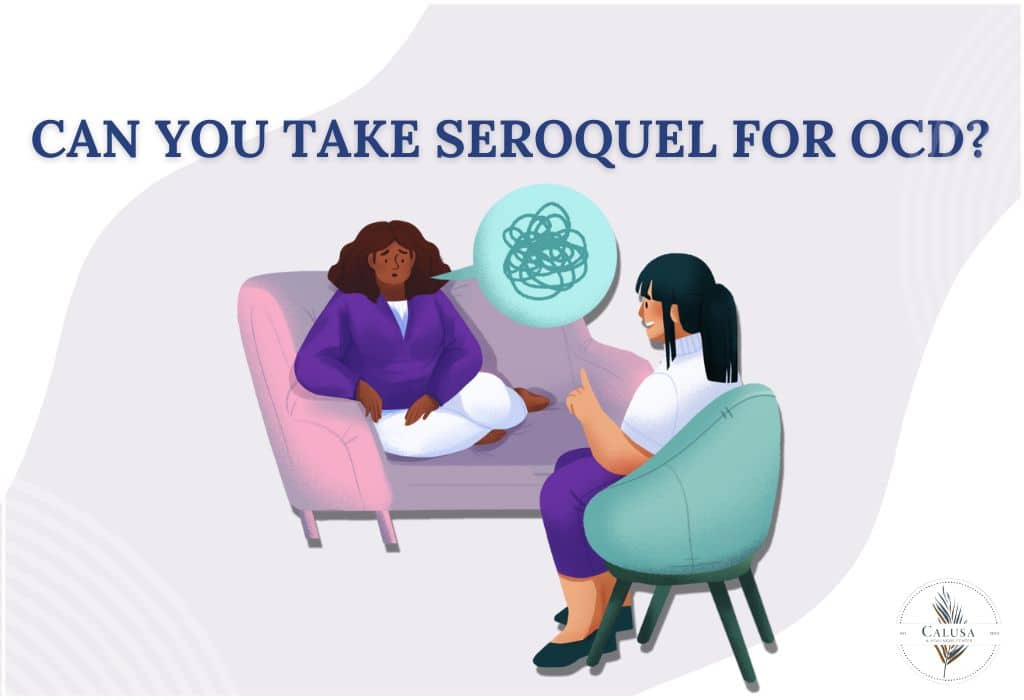
Dealing with OCD can be tough. You’ve tried different treatments, but nothing seems to work. Now your doctor might suggest Seroquel. If you’re not sure what it is or if it’s right for you, this article can help. OCD is a chronic mental health condition characterized by intrusive thoughts and repetitive behaviors that can significantly impact a person’s daily life. Traditional treatment options for OCD include cognitive-behavioral therapy (CBT) and selective serotonin reuptake inhibitors (SSRIs). While more research is needed to understand the efficacy and safety of Seroquel for OCD fully, early findings are promising. If you’re battling OCD, talk to your doctor about Seroquel. It’s important to work together to find the best approach for you, considering your unique situation and needs. Remember, you’re not alone in this, and there is help available. This article will explain what Seroquel is and whether it could make a difference for you. It’s about giving you the info you need to make decisions about your health. So, could Seroquel be the answer to easing your OCD? Let’s find out together. If OCD is impacting your daily life, know that there’s a way forward! Understanding your treatment options, like Seroquel, could be the first step to regaining control. Every journey begins with a single step. OCD Treatment Programs start here! 866.939.6292 Understanding Seroquel for OCD The time it takes for Seroquel (quetiapine) to work for OCD can vary depending on several factors, including the individual’s overall health, the severity of their OCD symptoms, and how they respond to the medication. Seroquel is not a first-line treatment for OCD, and its use for OCD is considered off-label, meaning regulatory agencies do not specifically approve it for this purpose. In general, it may take several weeks to notice significant improvements in OCD symptoms after starting Seroquel. However, some individuals may experience benefits sooner, while others may require a longer duration of treatment to see noticeable changes. It’s essential to follow your healthcare provider’s guidance regarding the dosage and duration of Seroquel treatment for OCD. They will monitor your progress and adjust your treatment plan to ensure the best possible outcome. Keep in mind that Seroquel should only be used for OCD under the supervision of a qualified healthcare professional. It should be part of a comprehensive treatment approach that may include therapy, lifestyle modifications, and other medications if necessary. If you have any questions or concerns about Seroquel or its effectiveness for OCD, consult with your healthcare provider for personalized advice and recommendations. How long does it take for Seroquel to work for OCD? While Seroquel (quetiapine) is sometimes prescribed for Obsessive-Compulsive Disorder (OCD), it’s important to understand its effectiveness and timeline: Limited Evidence: Extensive research primarily supports the use of Selective Serotonin Reuptake Inhibitors (SSRIs) as the first-line treatment for OCD. Seroquel is typically used as an augmentation, meaning it’s added to an SSRI regimen when the SSRI alone isn’t sufficient. Gradual Improvement: For both SSRIs and Seroquel, it can take weeks to months to experience the full benefits of treatment. You might notice some improvement in symptoms like anxiety or sleep within a few weeks, but significant reductions in OCD compulsions and obsessions may take 2-3 months to become evident. Here’s what to remember: Consult a mental health professional: Never self-medicate with Seroquel or any other medication. A psychiatrist or therapist can assess your specific needs and determine the best treatment approach for your OCD. Individual Response: The effectiveness and timeline for medication to work can vary depending on the severity of your OCD and your individual response. Open Communication: Maintain open communication with your doctor about your progress and any side effects you experience. They can adjust the medication or treatment plan as needed. Research and evidence supporting Seroquel (Quetiapine) for OCD treatment Seroquel (quetiapine), an atypical antipsychotic medication, has been explored as a potential treatment option for OCD, particularly in cases where first-line treatments haven’t been successful. While there’s some evidence for its benefit, the picture is unclear. Here’s a breakdown of the research: Limited Evidence for First-Line Treatment: SSRIs as First Choice: Extensive research supports Selective Serotonin Reuptake Inhibitors (SSRIs) as the first-line treatment for OCD. They work by increasing serotonin levels in the brain, which regulates mood and behavior. Seroquel as Augmentation Therapy: Potential Benefits: Some studies suggest that adding Seroquel to an SSRI regimen (augmentation) might be beneficial for patients who don’t respond adequately to SSRIs alone. These studies often involve patients with treatment-resistant OCD, meaning they haven’t seen significant improvement with other medications. Mixed Results: Research on the effectiveness of Seroquel for OCD augmentation has yielded mixed results. Some studies show improvement in OCD symptoms, while others don’t show a statistically significant difference compared to placebo. Factors Affecting Certainty: Limited Sample Sizes: Many studies investigating Seroquel for OCD have involved relatively small sample sizes, making it difficult to draw definitive conclusions. Heterogeneity: Studies may use different methodologies and criteria for measuring OCD severity and treatment response, making it challenging to compare results directly. Need for More Research: Larger, well-designed studies are needed to fully understand Seroquel’s role in OCD treatment and to determine the optimal dosage and duration of treatment. Dosage and administration of Seroquel for OCD The dosage and administration of Seroquel (quetiapine) for OCD can vary based on individual factors such as age, medical history, and severity of symptoms. It’s crucial to follow your healthcare provider’s instructions carefully and never adjust the dosage independently. Here are some general guidelines: Starting Dosage: Typically, the initial dosage of Seroquel for OCD ranges from 25 mg to 50 mg per day, taken orally. Your doctor may start you on a lower dose and gradually increase it to achieve the desired therapeutic effect. Maintenance Dosage: The maintenance dosage of Seroquel for OCD can range from 150 mg to 300 mg per day, divided into two or three doses. Your doctor will determine the optimal maintenance dose based on your response to the medication and any side effects experienced. Administration: Seroquel