Cape Coral Substance Abuse Trends: How Addiction Is Impacting Local Families

Substance abuse continues to affect families across Cape Coral and Southwest Florida at alarming rates. What often begins as casual or stress-related use can quickly evolve into patterns that disrupt households, strain relationships, and create long-lasting emotional consequences for everyone involved. At Calusa Recovery, we work with adults and families impacted by substance use and co-occurring mental health conditions. Through evidence-based treatment options like Partial Hospitalization Program (PHP), Intensive Outpatient Program (IOP), Outpatient Therapy, Dual Diagnosis Care, and Sober Living, we help individuals stabilize, heal, and rebuild family trust. Substance Abuse Trends in Cape Coral Cape Coral has seen increasing concerns related to alcohol misuse, prescription drug dependency, and illicit substance use. Factors such as economic stress, social isolation, untreated mental health conditions, and increased availability of substances contribute to rising addiction rates. Common trends impacting local families include: Increased alcohol use as a coping mechanism Prescription medication misuse Co-occurring anxiety or depression Substance use interfering with parenting or employment Generational patterns of addiction Delayed treatment due to stigma or denial Many families begin seeking help when substance use starts affecting daily responsibilities, emotional stability, or family dynamics – often through IOP or Outpatient Substance Abuse Treatment. How Addiction Affects the Entire Family Addiction rarely impacts only one person. In Cape Coral households, substance use often creates ripple effects that touch spouses, children, parents, and extended family members. Emotional Strain Family members may experience chronic stress, anxiety, anger, or fear. Trust erodes, communication breaks down, and emotional safety can feel compromised. Family-focused therapy within our Outpatient and IOP Programs helps repair these emotional wounds. Financial and Legal Stress Substance abuse can lead to missed work, job loss, medical expenses, or legal issues – placing additional pressure on families already struggling to cope. Role Changes and Burnout Partners or children may take on caregiving roles, leading to resentment, exhaustion, and emotional burnout. Structured treatment through PHP or IOP helps individuals regain responsibility and stability, easing the burden on loved ones. The Link Between Addiction and Mental Health In many Cape Coral families, substance abuse co-occurs with anxiety, depression, trauma, or chronic stress. Treating addiction without addressing mental health often leads to relapse and ongoing family disruption. Calusa Recovery’s Dual Diagnosis Treatment approach ensures individuals receive integrated care that addresses both substance use and underlying mental health conditions through therapy, psychiatric support, and skill-building. Treatment Options at Calusa Recovery Calusa Recovery offers flexible, clinically grounded treatment options designed to meet individuals where they are – while keeping families involved in the healing process. 1. Partial Hospitalization Program (PHP) Our PHP Program provides structured, daytime treatment for adults who need intensive support without residential admission. PHP includes individual therapy, group counseling, psychiatric services, and relapse-prevention planning. 2. Intensive Outpatient Program (IOP) The IOP Program offers therapy multiple days per week, allowing clients to receive structured support while maintaining work and family responsibilities. This level of care is often ideal for parents or caregivers. 3. Outpatient Therapy For individuals with milder symptoms or those stepping down from higher levels of care, Outpatient Counseling provides ongoing support to maintain progress and strengthen coping skills. 4. Dual Diagnosis Care Our Dual Diagnosis Program treats substance use and mental health conditions together, improving long-term outcomes for individuals and families alike. 5. Sober Living Support For clients who benefit from added structure and accountability, Sober Living provides a supportive environment focused on stability, routine, and peer connection – often easing the transition back into family life. How Families in Cape Coral Can Take the First Step Families often wait too long to seek help, hoping the problem will resolve on its own. Early intervention leads to better outcomes and less long-term damage. Signs it may be time to seek professional support include: Repeated promises to stop using substances Escalating conflict at home Emotional withdrawal or secrecy Declining work or school performance Mental health symptoms worsening alongside substance use A confidential assessment can help determine whether PHP, IOP, or Outpatient Treatment is the most appropriate next step. Healing Families Starts With the Right Support Addiction does not define a person – or a family. With the right treatment, guidance, and support, healing and stability are possible. Calusa Recovery is committed to helping individuals and families in Cape Coral break the cycle of addiction and rebuild healthier futures. Whether through PHP, IOP, Outpatient Therapy, Dual Diagnosis Care, or Sober Living, our team provides compassionate, evidence-based care every step of the way. Call Calusa Recovery today to speak with our admissions team and learn how we can support your family’s recovery journey.
The Growing Fentanyl Crisis in Southwest Florida: What Families Need to Know
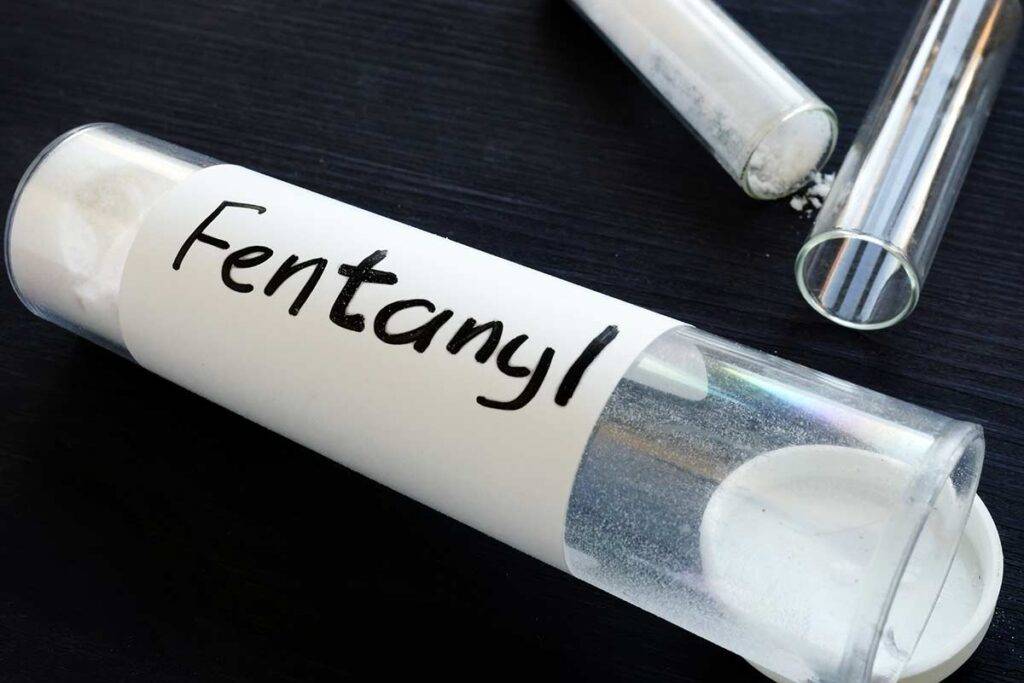
Fentanyl has transformed the landscape of addiction across the country, and Southwest Florida is no exception. Over the past few years, the region has seen a rapid rise in fentanyl-related overdoses – many involving individuals who didn’t even realize the substance they were using contained fentanyl at all. It’s a crisis that has blindsided families, overwhelmed communities, and increased the need for safe, structured addiction treatment more than ever. At Calusa Recovery, we work closely with individuals and families navigating this exact situation, helping them understand the risks and access the right level of care. Here’s what families in Southwest Florida need to know – and how meaningful recovery is absolutely possible with the right support. Why Fentanyl Has Become So Dangerous Fentanyl is 50x stronger than heroin and about 100x stronger than morphine. That level of potency makes even a tiny amount potentially lethal. In Southwest Florida, fentanyl is frequently found mixed into: • Counterfeit prescription pills• Cocaine• Heroin• Vape cartridges• Party drugs Because most people don’t know they’re taking fentanyl, the risk of accidental overdose is extremely high – especially among young adults and individuals with little to no opioid tolerance. Warning Signs of Fentanyl Use Families often miss the early signs because fentanyl use can look like extreme fatigue, mood swings, or simple changes in routine. Indicators may include: • Sudden changes in energy or alertness• Nodding off or appearing sedated• Pinpoint pupils• Social withdrawal• Hiding paraphernalia or avoiding conversations• Unusual financial behavior If you’re unsure but concerned, trust your intuition – early intervention saves lives. Why Professional Treatment Is Essential Fentanyl withdrawal is extremely dangerous to attempt without medical support. Because of its potency and fast-acting nature, cravings and withdrawal symptoms become overwhelming quickly. Calusa Recovery provides multiple treatment pathways to help individuals stabilize safely, including: • Medical Detox to help clients withdraw under proper medical supervision• Residential Treatment for those needing a high level of structure and safety• Partial Hospitalization Program (PHP) for full-day clinical programming• Intensive Outpatient Program (IOP) offering structured treatment while maintaining home life• Outpatient Program (OP) for step-down support throughout long-term recovery• Medication-Assisted Treatment (MAT) when clinically appropriate to manage cravings These options allow each client to begin recovery at the level of care that matches their clinical needs and risk level. How the Fentanyl Crisis Is Affecting Southwest Florida Families The emotional toll of this crisis is huge. Families in Fort Myers, Naples, Bonita Springs, Cape Coral, and surrounding communities are facing: • Overdose fears• Strained relationships• Anxiety about relapse• Difficulty accessing reliable treatment• Confusion about what steps to take Calusa Recovery partners with families throughout this process, offering education, communication support, and clinical guidance to help everyone better understand the recovery journey. How Calusa Recovery Helps From the first phone call, our team prioritizes safety, stabilization, and personalized care. We combine evidence-based therapies, trauma-informed treatment, dual-diagnosis support, family involvement, relapse prevention, and long-term planning to help clients rebuild their lives with stability and confidence. Our goal is simple: help individuals recover safely – and help their families heal right alongside them. Take Action Before It’s Too Late The fentanyl crisis is real, growing, and affecting families across Southwest Florida every day – but recovery is possible, and help is available right now. If you’re concerned about a loved one, reach out to Calusa Recovery today. One call can prevent a tragedy and start someone you love on the path to healing.
Alcohol Abuse in Naples, FL: Warning Signs and How to Get Help for a Loved One

Alcohol misuse is one of the most common substance-related challenges families face in Southwest Florida – especially in communities like Naples, Bonita Springs, and Marco Island. While casual drinking is socially accepted, it can quickly become difficult to recognize when use has crossed the line into something dangerous. At Calusa Recovery, we work with families every day who are trying to understand the signs, navigate emotional uncertainty, and get the right level of care for someone they love. Knowing what to look for, and where to get help, can make all the difference in preventing long-term harm. 1. Behavioral Changes That Don’t Align With “Normal” Drinking One of the earliest signs of alcohol abuse is a shift in behavior. These changes often appear subtly at first: Irritability or mood swings Secretive drinking More frequent hangovers Drinking earlier in the day or alone Avoiding family responsibilities Becoming defensive when the topic of drinking comes up Families often dismiss these signs as “stress,” but when they become consistent, they warrant deeper attention. For loved ones who may be struggling with physical dependence or severe withdrawal symptoms, a safe and supportive Detoxification program can be a necessary first step. 2. Declining Physical or Mental Health Alcohol abuse takes a significant toll on the body and mind. You may notice: Sudden weight changes Worsening anxiety or depression Decline in sleep quality Shakiness, nausea, or sweating when not drinking Reduced interest in hobbies or exercise These symptoms are common in Naples residents who turn to alcohol as a coping mechanism for stress, isolation, work pressure, or unresolved emotional pain. If alcohol use is impacting daily functioning, a structured supportive setting such as Calusa’s Inpatient Treatment Program – can offer 24/7 care, therapy, and stabilization. 3. Trouble Maintaining Work, Relationships, or Responsibilities Alcohol misuse can quickly disrupt daily life, leading to: Workplace performance issues or absenteeism Financial strain Tension or conflict within the household Missed appointments or commitments Neglect of childcare or personal responsibilities In Naples, many individuals are high-functioning professionals, which can make the signs easier to hide. But the impact on family members is often significant and emotionally draining. For those needing more support than outpatient therapy but not full residential care, Calusa’s Partial Care Program (PHP) provides a clinically intensive, highly structured environment. 4. Increasing Dependence on Alcohol to Cope One of the clearest indicators of alcohol abuse is using alcohol as the primary coping mechanism. This often looks like: Drinking to “take the edge off” after work every day Needing alcohol to relax, socialize, or sleep Feeling irritable or uncomfortable without drinking Justifying drinking due to stress, weather, friends, or routine If you begin noticing that alcohol has become the default solution in your loved one’s life, professional intervention may be necessary. For individuals in Naples who require structured therapy while still being able to maintain work or family obligations, Calusa’s Intensive Outpatient Program (IOP) provides evidence-based support and flexible scheduling. 5. Social Withdrawal and Lifestyle Changes Alcohol abuse often leads people to isolate themselves or shift their social environment. You may notice your loved one: Spending more time alone Avoiding family dinners or gatherings Socializing only in environments where drinking is central Losing interest in activities they once enjoyed This isolation not only worsens mental health but also increases the risk of dependence. How Calusa Recovery Helps Families in Naples, FL When alcohol misuse is affecting someone you love, it can be overwhelming to know what to do next. Calusa Recovery provides a full continuum of care designed to meet individuals exactly where they are in their journey, including: Detoxification Inpatient Treatment Partial Care Program Intensive Outpatient Program (IOP) Outpatient services Virtual options Sober living support Holistic and evidence-based therapies Every treatment plan is customized, integrating clinical care, family communication, and long-term relapse prevention. Supporting a Loved One Starts With One Conversation Approaching a family member about alcohol misuse isn’t easy – but doing so early can prevent serious health, financial, and relationship consequences. Families in Naples don’t have to navigate this alone. The team at Calusa Recovery is here to guide you through the next steps, answer questions, and provide the care your loved one deserves. Whether you’re noticing early warning signs or dealing with a more urgent situation, reaching out now can make all the difference in helping your loved one reclaim their health and their life.
The Importance of Virtual Substance Abuse & Mental Health Treatment Options

The world has changed significantly in recent years, and so has the way people access mental health and substance abuse treatment. One of the biggest advancements in healthcare has been the rise of accessibility, which has lead to a rise in the importance of virtual substance abuse & mental health treatment options. The ability to connect with professionals remotely has broken down barriers to care, making it easier than ever for those in need to access support. At Calusa Recovery, we understand the importance of meeting people where they are—physically, emotionally, and mentally. Virtual substance abuse and mental health treatment has proven to be a vital tool in creating accessible paths to recovery. This article explores the significance of virtual treatment options, their benefits, and why they’re here to stay. Why Virtual Treatment Matters Mental health challenges and substance abuse affect millions globally, yet a significant number of individuals still don’t seek help due to logistical or personal hurdles. According to the Substance Abuse and Mental Health Services Administration (SAMHSA), nearly 40% of people with a substance use disorder did not receive treatment in 2021. Many cite barriers like stigma, lack of access, or inability to leave their daily responsibilities as reasons for avoiding treatment. Virtual treatment removes many of these barriers, offering individuals a way to access services safely and conveniently. As telehealth continues to expand, it has become an essential resource for reaching people who once found themselves outside the traditional treatment system. The Importance of Virtual Substance Abuse & Mental Health Treatment Options Virtual treatment platforms provide a bridge to healing for many individuals, especially those who struggle with traditional in-person care. Below are the key benefits of virtual options and why they are so important: 1. Greater Accessibility Virtual treatment offers enhanced accessibility to care for individuals who live in rural or underserved areas. Many communities lack nearby mental health or addiction treatment facilities, and traveling long distances can be expensive and time-consuming. Telehealth bridges the gap by allowing people to connect with professionals no matter where they are. Additionally, accessibility extends to those with tight schedules. From single parents juggling childcare to full-time workers who can’t take time off, virtual therapy and treatment eliminate the need to carve out location-based time, helping individuals maintain their routines while seeking care. 2. Reduced Barriers for Vulnerable Populations Stigma is one of the greatest obstacles to seeking help for many individuals battling addiction or mental health issues. Virtual care allows people to access treatment privately within the comfort of their homes, removing the fear of judgment or shame. For populations with disabilities or physical limitations, virtual platforms also reduce challenges related to transportation, mobility restrictions, or inaccessible facilities. Clients can receive quality care without the stress of navigating an in-person treatment landscape. 3. Flexible and Customizable Treatment Traditional in-person treatment often follows rigid schedules and structures that may not work for every individual. Virtual services, however, provide flexible scheduling that accommodates varying needs, making it easier for people to build treatment into their lives. Whether it’s one-on-one therapy, group counseling, or support sessions, virtual programs offer customizable formats that meet individuals where they are emotionally. For example: Those with anxiety or discomfort in group settings may benefit from private virtual sessions. Clients with busy lives can schedule short, tailored calls. This adaptability fosters a sense of empowerment in treatment, enabling individuals to remain engaged without added stress. 4. Cost-Effectiveness Many virtual treatment options are more cost-effective than traditional in-person care. Removing travel costs, minimizing childcare needs, and allowing for shorter or more specific sessions can make treatment financially accessible for those who may otherwise struggle to afford it. Additionally, virtual platforms open the door to receiving care from top-tier professionals across the country without requiring relocation or expensive lodging near treatment facilities. 5. Continuity of Care A significant benefit of virtual treatment is its ability to provide continuity of care. For individuals transitioning out of inpatient or intensive outpatient programs, virtual services serve as a practical and consistent option for continuing their recovery journey. With regular virtual check-ins, therapy sessions, and group support meetings, clients can feel connected and supported even after leaving formal treatment programs. 6. Advances in Technology Virtual treatment options are supported by cutting-edge technology, making them efficient and user-friendly. Video conferencing platforms, integrated health dashboards, and messaging tools allow clinicians and clients to communicate effectively, track progress, and address concerns in real-time. As mental health tech continues to evolve, tools such as mindfulness apps, guided therapy exercises, and virtual reality treatments are further expanding possibilities in virtual care. Why Virtual Treatment is Here to Stay The accessibility, flexibility, and affordability of virtual mental health and addiction services underscore their effectiveness. The COVID-19 pandemic accelerated the adoption of telehealth, but its benefits have proven pivotal far beyond those circumstances. Virtual treatment options empower individuals to seek help without fear, proximity restrictions, or significant life disruptions. By offering care that adapts to modern lifestyles, they ensure that no one goes without the mental health or addiction treatment they need. Moving Forward With Virtual Treatment While virtual treatment is an excellent option, it’s not always the full solution. Clients still benefit from hybrid approaches, combining in-person services with virtual care in situations where deeper intervention is needed. At Calusa Recovery’s mental health and addiction treatment facility in Fort Myers, we embrace flexibility, meeting each client’s unique needs through a combination of approaches designed to enhance their health and healing. Take the Next Step With Calusa Recovery Are you or a loved one struggling with substance abuse or mental health challenges? Virtual care might be the key to making treatment accessible, empowering you to reclaim your life without disrupting your routine. At Calusa Recovery, we offer compassionate and comprehensive services designed to meet your needs. Whether you’re looking for virtual therapy sessions, group support, or hybrid recovery programs, our team is here to guide you every step of the way. Contact Us Today Start your journey toward
The Warning Signs of Drug Addiction & What to Do

Drug addiction is a serious and complex condition that affects millions of people across the world. Whether it starts with recreational use, a prescribed medication, or as a coping mechanism for emotional struggles, addiction often creeps into a person’s life and gradually takes control. It doesn’t just affect the individual—it impacts relationships, families, careers, and communities. Recognizing the warning signs early is crucial to taking action and intervening before addiction worsens. At Calusa Recovery, we understand the overwhelming challenges that come with addiction. We’re here to help individuals and families navigate this difficult situation and find their way back to health and stability. In this blog, we’ll explore the key warning signs of drug addiction, describe how to confront the issue, and explain what steps you can take to support yourself or a loved one in seeking help. What Is Drug Addiction? Drug addiction, or substance use disorder, is a chronic condition where a person becomes dependent on a drug, prioritizing its use despite negative consequences. Addiction often rewires the brain’s reward system, making it harder to stop using even when someone wants to quit. Substance addiction can involve illegal drugs (such as heroin or cocaine), prescription medications (like opioids or sedatives), and even substances like alcohol or marijuana. Regardless of the specific drug, addiction can affect every aspect of a person’s life. The Warning Signs of Drug Addiction Drug addiction doesn’t appear overnight—it develops gradually, often masked by denial or secrecy. Understanding the warning signs can help families, friends, or even the individual struggling recognize they need help. Physical Signs Drug addiction frequently manifests in noticeable changes to a person’s physical health. Some common physical indicators include: Significant weight loss or weight gain. Bloodshot eyes or pupils that are unusually dilated or constricted. Frequent nosebleeds or coughing (often linked to snorted or smoked substances). Tremors, seizures, or sudden coordination problems. Unusual patterns of sleep—either insomnia or excessive sleeping. You might also notice unexplained injuries or illnesses, as addiction can compromise the immune system and overall physical wellness. Behavioral Changes Behavioral shifts are often the clearest indicators of addiction. These changes go beyond typical mood swings and signal that someone’s priorities, habits, or personality may be shifting due to substance use. Look for signs such as: Increased secrecy about their activities or whereabouts. Neglect of work, school, or family obligations. Frequent lying or manipulation, especially to cover for their substance use. Sudden financial troubles, including borrowing money or stealing. Changes in friend groups or social circles—often associating with people who encourage drug use. Engaging in risky or illegal activities, such as driving under the influence or stealing. Emotional and Psychological Symptoms Substance addiction impacts the brain, which means emotional and psychological symptoms are common. You may notice that someone struggling with addiction demonstrates: Uncharacteristic mood swings, irritability, or periods of aggression. Feelings of apathy or a loss of interest in hobbies or activities they used to enjoy. Paranoia, anxiety, or unexplained fearfulness. Episodes of euphoria followed by extreme depression or fatigue. Because many drugs impact brain chemicals like serotonin and dopamine, addiction often worsens underlying mental health struggles. Social Problems and Isolation Someone battling drug addiction may begin to pull away from their loved ones or struggle to maintain healthy relationships. They may stop attending social events, refuse to communicate openly, or withdraw from support systems entirely. Over time, the weight of addiction can create significant strain, leaving the individual isolated and disconnected. The Long-Term Consequences of Ignoring Warning Signs Ignoring the warning signs of drug addiction can lead to devastating consequences. The longer addiction persists, the more challenging it becomes to reverse its effects. Health Risks Long-term drug use increases the risk of many medical conditions, including organ damage, heart disease, neurological issues, and even fatal overdoses. For example, the National Institute on Drug Abuse (NIDA) reports that drug overdoses have become the leading cause of injury death in the United States. Broken Relationships Addiction strains relationships with family, friends, coworkers, and loved ones. The emotional toll can lead to misunderstandings, resentment, and even permanent estrangement if left unaddressed. Legal and Financial Trouble As addiction progresses, engaging in illegal behavior, losing a job, or facing mounting debt often becomes harder to avoid. Drug addiction frequently leaves individuals in dire financial and legal circumstances. What You Can Do if You Notice The Warning Signs of Drug Addiction If you recognize these warning signs in yourself or someone you care about, it’s important to take action. Addiction often thrives in silence, denial, and secrecy, but honest intervention can open the door to hope and healing. Reaching out with care and compassion can make all the difference. One of the most important steps is to be honest and express concern. Approach your loved one with empathy and understanding, avoiding blame or judgment. Instead of focusing on mistakes, highlight your care and willingness to support them. Simple statements like, “I’m concerned about you, and I want to help,” or “I’ve noticed some changes recently, and I think talking to someone could make a difference,” can encourage an open and non-defensive conversation. It’s also essential to take the time to learn about addiction. Understanding how substance use affects the brain and body can help you better empathize and guide your loved one toward the right resources. Addiction is a disease, not simply a lack of willpower, and recognizing this distinction can change the way you offer support. At the same time, avoid enabling behaviors. Covering up for or excusing destructive actions may feel protective in the moment, but it ultimately prevents your loved one from facing the consequences of addiction. By setting healthy boundaries and addressing issues with compassion, you can help create the conditions necessary for change. Finally, remember that the complexity of addiction often requires professional help. From detox programs and therapy to comprehensive treatment centers like Calusa Recovery, professional care provides the structure, tools, and guidance needed to break free from substance use. Seeking help isn’t a sign of weakness—it’s
Centerstone’s New Fort Myers Outpatient Clinic

On a bright January morning in 2025, Centerstone proudly hosted a ribbon-cutting ceremony for its new Fort Myers outpatient clinic, located at 2830 Winkler Avenue in Fort Myers, Florida. The event marked a significant milestone for the southwest Florida community, bringing hope, improved access to mental health care, and a host of new opportunities. Behind the fanfare lies an inspiring story of dedication to improving lives and expanding access to critical services. In this blog post, we’ll take you behind the scenes of the highly anticipated opening, explore the services offered by the clinic, examine its impact on the community through the creation of new jobs, and highlight what this new chapter means for residents of Fort Myers. A Vision for Fort Myers Centerstone, a nationally recognized leader in mental health and addiction recovery services, has been a lifeline for individuals facing challenges such as addiction, mental illness, and trauma. With a vision centered on accessibility, compassion, and holistic care, Centerstone has been expanding its footprint nationwide to meet the growing demand for mental health services. The new outpatient clinic at 2830 Winkler Avenue represents a bold step forward in achieving this mission. Recognizing the rapidly increasing need for mental health care in Lee County, Centerstone chose Fort Myers for its latest facility, aiming to offer support closer to home for thousands of residents struggling silently. Behind the Ribbon Cutting The January 2025 launch event was attended by community leaders, residents, and Centerstone staff who worked tirelessly to bring the clinic to fruition. Celebrating the occasion, representatives spoke about Centerstone’s deep commitment to providing accessible care while reducing the stigma surrounding mental health issues. Keynote speakers at the event shared the impact the facility aims to have in the region. “Mental health and addiction recovery are urgent priorities in this community,” one staff member stated. “This clinic is designed to ensure no one falls through the cracks, whether they’re seeking counseling, medication management, or crisis intervention.” Services Offered at the New Fort Myers Outpatient Clinic The new Centerstone outpatient clinic is designed to provide a comprehensive range of services tailored to the diverse needs of community members of all ages. Here’s an overview: Therapy Programs: Individual, group, and family therapy will be offered to help patients address mental health challenges such as anxiety, depression, trauma, and substance abuse. Licensed therapists will work to provide compassionate, evidence-based care. Medication Management: For patients requiring psychiatric medications, the clinic offers medication management services, administered by trained professionals, to ensure the correct treatment protocols are followed. Child and Adolescent Services: Recognizing that children often internalize stress in ways that manifest as behavioral or emotional challenges, specialized programs will serve the youngest members of the community. Adult Mental Health Care: From talk therapy to addiction counseling, the clinic offers comprehensive services for adults. Crisis intervention services round out the offerings for individuals facing immediate needs. Crisis Services: A core element of Centerstone’s approach is providing 24/7 support for crises, ensuring community members in their most vulnerable moments always have someone to turn to. Housing Support and Foster Care Coordination: Beyond clinical care, the clinic also connects vulnerable individuals and families to resources like housing support and foster care services, addressing broader social factors that impact mental health. With this comprehensive suite of services, the Fort Myers outpatient clinic becomes a one-stop shop for individuals and families seeking help. Creating Opportunities: 40+ New Jobs The opening of Centerstone’s clinic is not only transforming access to health care but also creating economic opportunities. The facility has brought over 40 new jobs to Fort Myers, including positions for therapists, nurse practitioners, administrative staff, and crisis intervention specialists. These roles serve dual purposes. Not only do they bolster the local economy, but the professionals filling these positions bring expertise, compassion, and dedication to the community. Moreover, these jobs include ongoing professional development opportunities, ensuring Fort Myers benefits from highly trained and service-oriented mental health professionals. What Expanding Access Means for Fort Myers The Fort Myers community has long battled challenges related to mental health and addiction. Florida’s mental health system, like much of the country, often struggles to keep up with demand. For many in Lee County, access to affordable and quality care has been limited, and that’s where the new outpatient clinic steps in. Centerstone’s decision to expand into Fort Myers is more than just adding another clinic; it’s about changing the narrative of mental health care access for the region. The immediate accessibility of services will allow residents to seek early intervention for mental health and substance use challenges, preventing crises before they escalate. The clinic’s extensive services, particularly for children and families, hold the promise of breaking intergenerational cycles of trauma or untreated mental health issues. Furthermore, the facility will play a pivotal role in reducing the stigma surrounding seeking help and normalizing the practice of addressing mental health as part of overall wellness. As Fort Myers grows, ensuring community resilience through accessible mental health care is more important than ever. Centerstone’s innovative approach not only meets residents’ immediate needs but also plants seeds for long-term healing and positivity. Looking Ahead The January ribbon-cutting event may be over, but the work at 2830 Winkler Ave is just beginning. With state-of-the-art facilities, an expert team, and a commitment to holistic care, the clinic has quickly become a vital part of the Fort Myers landscape. As the community embraces Centerstone’s services, it is hoped that more individuals will connect with mental health care in a way they may not have considered before. This expansion underscores Centerstone’s ongoing mission: to build healthier communities by addressing the mind, body, and beyond. For Fort Myers residents, the clinic represents more than just services—it’s a promise of support, understanding, and empowerment. Every therapy session, medication consultation, and intervention moves the needle toward a happier, healthier Fort Myers. Calusa Recovery Is Here to Help With Our Flexible Treatment Programs in Southwest, FL While Centerstone’s Fort Myers outpatient clinic provides invaluable services, mental health care
Opioid Risk in Lee County: Mapping Social Vulnerability

The opioid epidemic poses a significant challenge across the United States, with ripples felt strongly in small communities and urban centers alike. The opioid risk in Lee County is palpable, demanding an intricate analysis of patterns contributing to opioid use disorder (OUD) and related mortalities. One insightful approach to better understand and address this crisis is through mapping social vulnerability in the region. Emerging research has highlighted the vital role that social vulnerability plays in opioid-related mortality, providing a critical perspective to guide public health interventions. Understanding Social Vulnerability and Opioid Risk in Lee County Social vulnerability refers to a community’s susceptibility to harm due to external stresses on human health, resulting from socioeconomic and demographic factors. Factors such as poverty, lack of access to transportation, and limited healthcare availability can exacerbate social vulnerability and, consequently, heighten the risk of OUD and related deaths. Recent studies indicate a strong correlation between social vulnerability factors and opioid-related mortality rates. For example, areas with higher poverty rates, lower educational attainment, and inadequate healthcare infrastructure show heightened rates of opioid misuse and overdoses. This insight is particularly relevant for Fort Myers and the broader Lee County area, where diverse socio-economic conditions across neighborhoods can influence local OUD patterns. The State of Opioid Use in Lee County Lee County has witnessed significant challenges due to opioid misuse. According to the Florida Department of Health, the county saw an alarming increase in opioid overdose deaths over recent years. In 2021, Lee County reported over 250 opioid-related fatalities, reflecting a dire need for targeted intervention strategies. A closer examination reveals that specific areas within Fort Myers and Lee County are more deeply affected. Neighborhoods with concentrated poverty levels, higher unemployment rates, and limited access to healthcare services are disproportionately impacted by the opioid crisis. These areas also often lack sufficient support systems, such as rehabilitation centers and mental health services, further compounding the problem. The opioid risk in Lee County is growing, and needs to be addressed with quality resources. Mapping Social Vulnerability in Lee County To address OUD effectively, it is crucial to identify and map areas of high social vulnerability. Tools like the Social Vulnerability Index (SVI), developed by the Centers for Disease Control and Prevention (CDC), can provide valuable insights. The SVI ranks areas based on 15 social factors, including socioeconomic status, household composition, racial and ethnic minority status, and housing type and transportation. Mapping the SVI in Lee County reveals distinct patterns: Downtown Fort Myers: This area shows high social vulnerability scores due to concentrated poverty, higher unemployment rates, and a significant proportion of minority populations. The lack of nearby health facilities and rehabilitation centers exacerbates the OUD crisis in this neighborhood. Lehigh Acres: This suburban area faces challenges due to rapid population growth without corresponding development in healthcare infrastructure. Limited public transportation and insufficient mental health services contribute to higher OUD rates. North Fort Myers: Similar to Lehigh Acres, North Fort Myers struggles with inadequate healthcare resources and high poverty rates, making it another hotspot for opioid misuse and overdoses. By identifying these high-risk areas, public health officials can prioritize resources and develop targeted intervention strategies tailored to the unique needs of each community. Opiod Risk in Lee County: Statistics and Real Stories Adding color to these findings are the personal stories of community members impacted by the opioid crisis. For instance, consider Maria’s story in Downtown Fort Myers. Maria lost her son to an opioid overdose in 2020. Despite multiple attempts to secure help through local rehabilitation centers, the long waiting lists and limited services available in her neighborhood rendered her efforts inadequate. Maria’s story highlights the urgent need for enhanced healthcare infrastructure in high-risk areas. Data from the Lee County Sheriff’s Office also indicates a disproportionate number of emergency calls related to opioid overdoses coming from densely populated, high-vulnerability neighborhoods. In 2022 alone, there were over 1,500 overdose-related emergency calls in the county, with a significant majority originating from Downtown Fort Myers and Lehigh Acres. Strategic Interventions Moving Forward Addressing the opioid crisis in Lee County requires a multi-faceted approach: Expanding Healthcare Access: Increasing the number of healthcare facilities, particularly in high-vulnerability areas, can facilitate better access to addiction treatment and mental health services. Mobile clinics and telehealth services can also bridge the gap in underserved neighborhoods. Community-Based Programs: Establishing community outreach programs that focus on education, prevention, and support can empower residents. Programs like opioid overdose prevention education, training on the use of Naloxone (Narcan), and providing resources for treatment options are essential steps in reducing OUD rates. Economic Development Initiatives: Addressing the root causes of social vulnerability, such as poverty and unemployment, can indirectly reduce the risk of OUD. Job training programs, affordable housing projects, and improving public transportation are effective strategies to enhance overall community resilience. Data-Driven Policies: Utilizing tools like the SVI to inform policy decisions ensures that resources are allocated to the areas most in need. Continuous data collection and analysis can help monitor the effectiveness of intervention strategies and make necessary adjustments. The intersection of social vulnerability and opioid-related mortality is evident in Lee County, presenting a clear call to action for targeted public health interventions. By mapping social vulnerability, community leaders can identify high-risk areas and prioritize resources effectively. Addressing the underlying socio-economic factors, expanding healthcare access, and fostering community-based support systems are pivotal steps in combating the opioid crisis in Fort Myers and the broader Lee County area. Through informed, strategic efforts, we can hope to alleviate the devastating impact of the opioid epidemic on our communities. Find Comprehensive Addiction Treatment in Lee County Today If you or a loved one is struggling with addiction in Lee County, don’t wait to get the help you deserve. Contact Calusa Recovery today to learn more about our personalized treatment programs and start your journey toward lasting recovery. Our compassionate team is here to support you every step of the way—call now or fill out our online form to speak with an admissions
10 Signs You Need to Go to Rehab

Addiction is a debilitating disease that affects millions of people across the globe. It can start innocently enough, perhaps with a drink after work to relax or prescription pain medication following surgery. However, over time, these substances can take hold of your life, leading to physical dependence, emotional instability, and fractured relationships. There are many signs you need to go to rehab, and many overlook them. Often, the people battling addiction are the last to realize just how much they’re struggling. The truth is, identifying the signs of drug or alcohol dependency is the first step toward recovery. Knowing when it’s time to seek professional help can save not only your life but also the lives of those you care about. At Calusa Recovery Centers, we specialize in helping individuals break free from the chains of substance abuse and empowering them to reclaim their lives. This article will explore the ten most significant signs that it might be time to seek professional help through a rehabilitation program. Top Signs You Need to Go to Rehab 1. You’ve Lost Control Over Your Substance Use One of the clearest indicators of addiction and signs you need to go to rehab is a loss of control. If you find yourself unable to stop drinking or using drugs despite repeated attempts, it’s a red flag that your substance use is no longer within your control. Rehab programs provide structure and support, helping you regain that control. 2. Your Health is Deteriorating Substance abuse takes a heavy toll on the body. If you’ve noticed persistent health issues such as liver damage, frequent illnesses, weight changes, or withdrawal symptoms like shaking and anxiety, it’s time to act. Professional rehab facilities can address both the mental and physical health challenges associated with addiction. 3. You Use Drugs or Alcohol to Cope Using drugs and alcohol to cope is one of the more apparent signs you need to go to rehab. Do you turn to substances to deal with stress, sadness, or anxiety? While this coping mechanism may provide temporary relief, it can quickly spiral into dependency. If you feel that emotions or difficult life circumstances push you toward drug or alcohol use, specialized treatment can help you build healthier coping skills. 4. Your Relationships Are Strained Addiction doesn’t just harm the person using—it also impacts family, friends, and colleagues. If your substance use has caused arguments, mistrust, or a breakdown in relationships, it could be a sign that your addiction is taking precedence over the people you care about most. 5. Your Work or School Performance is Slipping Have you regularly called out of work, missed deadlines, or struggled to focus on tasks? Substance abuse can erode your ability to perform daily responsibilities. If your professional or academic life is unraveling, rehab can help you get back on track. 6. You’ve Experienced Legal or Financial Issues DUI arrests, public intoxication charges, or financial instability caused by spending money on alcohol or drugs are severe signs that substance use is creating real-world consequences. Rehab provides you with the skills and support necessary to prevent these life-altering situations from recurring. 7. You’ve Tried to Quit but Keep Relapsing Recovery is a journey, but if you’ve tried to stop using drugs or alcohol on your own and found yourself relapsing time and time again, professional treatment is essential. Addiction is a disease, not a matter of willpower, requiring evidence-based strategies and care. 8. You Are Isolating Yourself Many people struggling with addiction withdraw from friends, family, and activities they once loved. If you find yourself isolating to hide your substance use or because of shame and guilt, rehab can help you rebuild your connections with others and reclaim your sense of self. 9. You’re Taking Risks You Never Would Have Before Driving under the influence, engaging in unsafe behavior, or consuming unknown substances are all clear signs that addiction is severely impairing your judgment. Seeking treatment can allow you to address these behaviors in a safe and supportive environment. 10. You Feel Hopeless or Helpless Feeling like there’s no way out is common for people struggling with addiction, but it’s essential to know that help is always available. If your substance use has left you feeling trapped, a rehab program can provide the tools, resources, and guidance you need to find hope and start anew. If You’re Experiencing Signs You Need to Go to Rehab, Contact Us Recognizing that you need help is not a sign of weakness—it’s the first step to recovery. If any of these signs resonate with you or someone you love, it’s time to take action. Addiction is a powerful disease, but with the proper support, it is entirely treatable. At Calusa Recovery Centers, we understand your challenges and are here to guide you every step of the way. Our expert team offers compassionate, evidence-based treatment tailored to your unique needs. Don’t wait until things get worse; reach out today to begin your journey toward health, healing, and happiness. Contact Calusa Recovery Centers now for a free and confidential consultation. Help is just a phone call away. Start your fresh start today.
6 Ways to Avoid Relapse After Rehab

Completing a rehab program is a significant achievement and an essential milestone in your recovery journey. But as anyone in long-term recovery knows, the work doesn’t end when treatment does. Knowing the ways to avoid a relapse after rehab is crucial. Transitioning into everyday life comes with new challenges, stressors, and temptations. Relapse is a standard part of recovery, but it isn’t inevitable. With the right tools and mindset, you can build a strong foundation that supports your sobriety well into the future. At Calusa Recovery Center, we believe that life after rehab is full of possibility, and we’re here to support you every step of the way. Below are six key strategies to help you stay on track and avoid relapse after leaving treatment. 1. Develop a Structured Daily Routine One of the most effective ways to avoid relapse after rehab is by building a routine that supports your physical and emotional well-being. During active addiction, chaos and inconsistency are common. In recovery, structure can become a stabilizing force that keeps you grounded. Create a daily schedule that includes time for healthy meals, sleep, work or school responsibilities, therapy, exercise, and relaxation. A routine helps prevent boredom and idleness—two common triggers for relapse—and provides a sense of control and purpose. 2. Build a Strong Support Network Recovery doesn’t happen in isolation. Surrounding yourself with supportive people who understand and respect your journey is essential. Whether it’s close family, trusted friends, or peers from a recovery group, having people you can turn to in challenging moments makes all the difference. Consider attending regular support group meetings, such as Alcoholics Anonymous (AA), Narcotics Anonymous (NA), or SMART Recovery. These meetings not only offer encouragement but also create a sense of accountability. You can also work with a sponsor or mentor who has been through similar experiences and can guide you during challenging times. 3. Recognize and Manage Triggers Everyone in recovery has personal triggers—situations, emotions, or people that create a strong urge to use substances. Identifying your triggers is critical in developing strategies to avoid or cope with them. Common relapse triggers include: High levels of stress or anxiety Exposure to places or people associated with past substance use Feelings of loneliness, anger, or depression Celebrations or events where alcohol or drugs are present By recognizing these triggers early, you can create a plan to either avoid them or manage your response. This might involve deep breathing, calling a friend, attending a meeting, or practicing mindfulness. 4. Continue Therapy and Aftercare to Avoid Relapse after Rehab Just because you’ve completed rehab doesn’t mean your therapy should end. Continued counseling and participation in an aftercare program provide ongoing emotional support and tools for healthy coping with life’s challenges. Many relapse episodes happen when people stop engaging in aftercare. Whether it’s individual therapy, group counseling, sober living, or alumni programs, staying connected with professional support significantly reduces your risk of relapse. At Calusa Recovery Center, our aftercare services are designed to help you navigate life after treatment with confidence and clarity. 5. Take Care of Your Physical Health There are many ways to avoid relapse after rehab, including doing your best to keep your body healthy and strong. Your body and mind are closely connected. When you prioritize your physical health, you also support your mental and emotional resilience. Regular exercise, nutritious meals, and sufficient sleep can boost your mood, improve energy levels, and help reduce stress, lowering your risk of relapse. Exercise doesn’t have to be extreme—even daily walks, yoga, or stretching can be influential outlets for processing emotions and staying focused on recovery goals. Avoiding caffeine, sugar, and other mood-altering substances can also keep your body balanced and reduce cravings. 6. Set Realistic Goals and Celebrate Progress Setting small, achievable goals helps you stay motivated and focused. These goals can relate to your career, personal growth, relationships, or hobbies. When you hit a milestone—no matter how small—take time to celebrate your progress. Recovery is a lifelong journey, and acknowledging your hard work reinforces your commitment to sobriety. Whether you’re 30 days or 3 years sober, every moment matters. Consider keeping a journal or sobriety tracker to reflect on how far you’ve come and remind yourself of the reasons you chose recovery. Moving Forward with Support from Calusa Recovery Center Recovery doesn’t stop after rehab—it’s a continuous process that requires dedication, self-awareness, and support. While setbacks may happen, they don’t define you how you respond matters most, beginning with staying proactive and connected. At Calusa Recovery Center, we’re here to help you maintain your recovery and thrive in life after treatment. From personalized aftercare planning to ongoing therapy and support groups, our programs are built around your unique needs and goals. If you or someone you love is struggling with addiction—or if you need help staying sober after treatment—reach out to Calusa Recovery Center in Florida. Our experienced and compassionate team is ready to help you build the life you deserve.
How to Know If You Have a Drinking Problem

Alcohol is a standard part of social life in the United States, but for many individuals, casual drinking can gradually evolve into something far more serious. Sometimes, you might find yourself wondering how to know if you have a drinking problem. Alcohol Use Disorder (AUD) is a medical condition that affects the brain and behavior, making it challenging to control alcohol use even when it causes problems in relationships, work, or health. It’s not always easy to recognize when drinking has become a problem, but understanding the signs is a critical first step toward recovery. Currently, alcohol use disorder remains a widespread issue across the country. According to the National Institute on Alcohol Abuse and Alcoholism (NIAAA), over 28 million Americans aged 12 and older met the criteria for AUD in the past year. That’s more than one in ten people, highlighting just how prevalent this condition is—and how many people may struggle without even realizing it. If you’re questioning your relationship with alcohol, you’re not alone, and support is available. Potential Warning Signs You Have a Drinking Problem Not every drinking issue looks the same. For some, daily drinking starts earlier and earlier in the day. For others, it’s binge drinking on weekends that leads to blackouts or risky behavior. Still, common warning signs suggest a deeper issue may be at play. Learning how to know if you have a drinking problem involves understanding the warning signs and being self-aware of your habits. One major red flag is losing control over your drinking. If you often find yourself drinking more than you planned or continuing to drink even after promising yourself you wouldn’t, it might indicate a problem. Another sign is developing a tolerance—needing more alcohol to achieve the same effect—or experiencing withdrawal symptoms like shakiness, anxiety, or sweating when you stop drinking. You might also notice that alcohol is taking up more of your time and mental energy. Maybe you’re constantly thinking about your next drink, organizing your day around alcohol, or neglecting responsibilities at home or work due to hangovers or being under the influence. Relationships can begin to suffer, and hobbies or interests that once brought you joy may fall by the wayside. Here are some additional warning signs that your drinking may require professional support: You’ve tried to cut back or quit drinking, but haven’t been successful. You keep drinking even though it’s causing problems in your relationships. You’ve driven under the influence or taken other dangerous risks while intoxicated. You isolate yourself or avoid social events where alcohol won’t be available. If two or more of these signs sound familiar, you may be experiencing alcohol use disorder. The sooner you recognize the issue, the sooner you can take steps to heal. Why Getting Help Matters if You Have a Drinking Problem Acknowledging that you might need help can feel scary, but it’s also empowering. Figuring out how to know if you have a drinking problem can be frightening, but essential. Seeking treatment for a drinking problem isn’t a sign of weakness. It’s one of the bravest and most important decisions you can make for your health and future. Treatment programs like those at Calusa Recovery Center in Florida provide a safe, supportive environment where you can begin the recovery process. You don’t have to go through it alone. Whether you need medical detox, counseling, group support, or long-term recovery planning, professional treatment gives you the tools to rebuild your life. The benefits of seeking help for a drinking problem go beyond simply quitting alcohol. With treatment, many people experience: Improved mental and physical health, including better sleep, more energy, and reduced symptoms of anxiety or depression. Stronger relationships, as trust is rebuilt and communication improves. More stability in work and daily life, with renewed focus and a sense of purpose. A supportive recovery community, where you can connect with others who truly understand your journey. At Calusa Recovery Center, our approach is personalized, compassionate, and rooted in evidence-based therapies. We don’t just treat the symptoms—we work with you to uncover the underlying causes of your alcohol use and help you develop healthier coping mechanisms for the future. Take the First Step with Calusa Recovery Center If you’re wondering how to know if you have a drinking problem, that question alone is worth paying attention to. It means you’re already thinking critically about your relationship with alcohol, and that self-awareness is powerful. You don’t have to wait until you hit rock bottom to ask for help. The earlier you seek treatment, the better your chances of long-term recovery. Whether you’re struggling with daily alcohol use, binge drinking, or simply feel that your drinking is starting to control your life, Calusa Recovery Center is here for you. Located in Florida, Calusa Recovery Center offers a range of programs tailored to meet your unique needs—from outpatient counseling to more intensive treatment options. Our team of experienced professionals is dedicated to helping you regain control and start living a healthier, alcohol-free life. Contact us today to begin your healing journey.