How to Find Mental Health Support in Fort Myers, FL

Finding the Right Help for Your Mental Health Struggling with your mental health can feel overwhelming, but you are not alone. Whether you’re facing anxiety, depression, trauma, or a sudden emotional crisis, finding the right mental health support in Fort Myers, FL can make all the difference. Fortunately, Southwest Florida offers compassionate, confidential care for individuals seeking professional help, guidance, and hope. At Calusa Recovery, we specialize in personalized treatment for mental health and co-occurring substance use disorders, helping clients find stability, healing, and lasting recovery through evidence-based therapy and individualized care. Types of Mental Health Support in Fort Myers Different types of mental health care are available depending on the severity of your symptoms and personal needs. Here’s a quick guide to understanding your options: Outpatient Therapy For many individuals, starting with therapy is a great first step. Licensed therapists and counselors provide one-on-one or group sessions focusing on managing anxiety, depression, trauma, and other emotional challenges. Intensive Outpatient & Partial Hospitalization Programs If symptoms are interfering with daily life but don’t require 24-hour supervision, programs like Intensive Outpatient (IOP) and Partial Hospitalization (PHP) at Calusa Recovery offer structured support several days a week. Clients receive individual therapy, group therapy, and skill-building designed to promote emotional balance and resilience. Residential Treatment For those in crisis or needing a higher level of care, residential mental health treatment offers 24/7 supervision and therapeutic support. This setting helps individuals focus entirely on healing in a safe, calming environment. Signs It’s Time to Seek Help Recognizing when to reach out is the first step toward recovery. You may benefit from professional support if you experience: Ongoing sadness, hopelessness, or loss of interest Frequent anxiety or panic attacks Difficulty functioning at work, school, or home Mood swings or irritability Thoughts of self-harm or overwhelming stress How Calusa Recovery Helps At Calusa Recovery, we combine compassionate care with clinical expertise to support adults struggling with mental health challenges in Fort Myers and surrounding areas. Our programs include: Individualized Treatment Plans: Tailored care for anxiety, depression, trauma, and dual diagnosis Evidence-Based Therapies: Cognitive Behavioral Therapy (CBT), Dialectical Behavior Therapy (DBT), and holistic approaches Supportive Environment: A warm, private setting where clients can heal at their own pace Aftercare Planning: Continued support to maintain progress after treatment Our mission is to empower every client with the tools and support they need to rebuild confidence, restore balance, and reclaim a sense of peace. Getting Started with Mental Health Support in Fort Myers If you’re ready to take the next step, Calusa Recovery is here to guide you. Our admissions team offers 100% confidential consultations and will help you verify insurance, discuss treatment options, and connect you with the right level of care. Contact us today to learn how our Fort Myers mental health programs can help you or your loved one begin the journey toward lasting recovery.
The Importance of Virtual Substance Abuse & Mental Health Treatment Options

The world has changed significantly in recent years, and so has the way people access mental health and substance abuse treatment. One of the biggest advancements in healthcare has been the rise of accessibility, which has lead to a rise in the importance of virtual substance abuse & mental health treatment options. The ability to connect with professionals remotely has broken down barriers to care, making it easier than ever for those in need to access support. At Calusa Recovery, we understand the importance of meeting people where they are—physically, emotionally, and mentally. Virtual substance abuse and mental health treatment has proven to be a vital tool in creating accessible paths to recovery. This article explores the significance of virtual treatment options, their benefits, and why they’re here to stay. Why Virtual Treatment Matters Mental health challenges and substance abuse affect millions globally, yet a significant number of individuals still don’t seek help due to logistical or personal hurdles. According to the Substance Abuse and Mental Health Services Administration (SAMHSA), nearly 40% of people with a substance use disorder did not receive treatment in 2021. Many cite barriers like stigma, lack of access, or inability to leave their daily responsibilities as reasons for avoiding treatment. Virtual treatment removes many of these barriers, offering individuals a way to access services safely and conveniently. As telehealth continues to expand, it has become an essential resource for reaching people who once found themselves outside the traditional treatment system. The Importance of Virtual Substance Abuse & Mental Health Treatment Options Virtual treatment platforms provide a bridge to healing for many individuals, especially those who struggle with traditional in-person care. Below are the key benefits of virtual options and why they are so important: 1. Greater Accessibility Virtual treatment offers enhanced accessibility to care for individuals who live in rural or underserved areas. Many communities lack nearby mental health or addiction treatment facilities, and traveling long distances can be expensive and time-consuming. Telehealth bridges the gap by allowing people to connect with professionals no matter where they are. Additionally, accessibility extends to those with tight schedules. From single parents juggling childcare to full-time workers who can’t take time off, virtual therapy and treatment eliminate the need to carve out location-based time, helping individuals maintain their routines while seeking care. 2. Reduced Barriers for Vulnerable Populations Stigma is one of the greatest obstacles to seeking help for many individuals battling addiction or mental health issues. Virtual care allows people to access treatment privately within the comfort of their homes, removing the fear of judgment or shame. For populations with disabilities or physical limitations, virtual platforms also reduce challenges related to transportation, mobility restrictions, or inaccessible facilities. Clients can receive quality care without the stress of navigating an in-person treatment landscape. 3. Flexible and Customizable Treatment Traditional in-person treatment often follows rigid schedules and structures that may not work for every individual. Virtual services, however, provide flexible scheduling that accommodates varying needs, making it easier for people to build treatment into their lives. Whether it’s one-on-one therapy, group counseling, or support sessions, virtual programs offer customizable formats that meet individuals where they are emotionally. For example: Those with anxiety or discomfort in group settings may benefit from private virtual sessions. Clients with busy lives can schedule short, tailored calls. This adaptability fosters a sense of empowerment in treatment, enabling individuals to remain engaged without added stress. 4. Cost-Effectiveness Many virtual treatment options are more cost-effective than traditional in-person care. Removing travel costs, minimizing childcare needs, and allowing for shorter or more specific sessions can make treatment financially accessible for those who may otherwise struggle to afford it. Additionally, virtual platforms open the door to receiving care from top-tier professionals across the country without requiring relocation or expensive lodging near treatment facilities. 5. Continuity of Care A significant benefit of virtual treatment is its ability to provide continuity of care. For individuals transitioning out of inpatient or intensive outpatient programs, virtual services serve as a practical and consistent option for continuing their recovery journey. With regular virtual check-ins, therapy sessions, and group support meetings, clients can feel connected and supported even after leaving formal treatment programs. 6. Advances in Technology Virtual treatment options are supported by cutting-edge technology, making them efficient and user-friendly. Video conferencing platforms, integrated health dashboards, and messaging tools allow clinicians and clients to communicate effectively, track progress, and address concerns in real-time. As mental health tech continues to evolve, tools such as mindfulness apps, guided therapy exercises, and virtual reality treatments are further expanding possibilities in virtual care. Why Virtual Treatment is Here to Stay The accessibility, flexibility, and affordability of virtual mental health and addiction services underscore their effectiveness. The COVID-19 pandemic accelerated the adoption of telehealth, but its benefits have proven pivotal far beyond those circumstances. Virtual treatment options empower individuals to seek help without fear, proximity restrictions, or significant life disruptions. By offering care that adapts to modern lifestyles, they ensure that no one goes without the mental health or addiction treatment they need. Moving Forward With Virtual Treatment While virtual treatment is an excellent option, it’s not always the full solution. Clients still benefit from hybrid approaches, combining in-person services with virtual care in situations where deeper intervention is needed. At Calusa Recovery’s mental health and addiction treatment facility in Fort Myers, we embrace flexibility, meeting each client’s unique needs through a combination of approaches designed to enhance their health and healing. Take the Next Step With Calusa Recovery Are you or a loved one struggling with substance abuse or mental health challenges? Virtual care might be the key to making treatment accessible, empowering you to reclaim your life without disrupting your routine. At Calusa Recovery, we offer compassionate and comprehensive services designed to meet your needs. Whether you’re looking for virtual therapy sessions, group support, or hybrid recovery programs, our team is here to guide you every step of the way. Contact Us Today Start your journey toward
How Depression Can Impact Individuals Long Term

Depression is more than just feeling sad or having a rough few days—it’s a serious mental health condition that can linger and negatively impact nearly every area of a person’s life if left untreated. According to the World Health Organization (WHO), more than 280 million people worldwide live with depression, making it one of the most common mental health conditions globally (WHO). Despite its prevalence, depression often goes untreated, leading to long-term consequences that can affect mental, physical, and emotional well-being. At Calusa Recovery, we’ve seen how depression can impact individuals long term, and if left unchecked, the toll on individuals and their loved ones. Our team is committed to providing compassionate and effective care to help individuals overcome depressive episodes and build brighter futures. In this article, we’ll explore the long-term effects of depression and why seeking help is so essential. Understanding The Difference Between Clinical Depression & Feeling Sad Everyone experiences sadness from time to time, often as a natural reaction to life events such as loss, disappointment, or stress. Feeling sad is a normal human emotion that tends to lessen with time, self-care, or support from others. While it can feel heavy in the moment, sadness is usually temporary and does not significantly interfere with a person’s ability to function in daily life. Clinical depression, on the other hand, is a serious mental health condition that goes far beyond ordinary sadness. Depression involves persistent and intense feelings of hopelessness, emptiness, or despair that last for at least two weeks or longer. Unlike temporary sadness, depression can disrupt sleep, appetite, concentration, energy levels, and motivation. These symptoms often interfere with work, relationships, and overall quality of life, making it difficult to manage daily responsibilities without treatment. Understanding the difference between feeling sad and experiencing clinical depression is important because it helps determine when professional support may be needed. While sadness typically improves with time or positive changes in circumstances, depression often requires structured care such as therapy, medication, or a combination of both. Recognizing these distinctions can reduce stigma, encourage early intervention, and ensure that those struggling with depression receive the help they need to heal and recover. How Depression Can Impact Individuals Long Term Depression is not just a fleeting feeling; it’s a condition that can have profound and lasting effects when left untreated. Unlike temporary sadness, depression can alter brain chemistry, disrupt emotional regulation, and impact every aspect of daily life. Here’s how depression can affect individuals long term: Chronic Mental Health Struggles When untreated, depression can evolve into a chronic, recurring condition. Many individuals experience major depressive episodes several times throughout their lives, building a pattern that disrupts emotional stability and longevity. In some cases, untreated depression can also increase the risk of other mental health issues, such as: Anxiety disorders. Substance use disorders. Bipolar disorder in some susceptible individuals. This compounding effect creates a vicious cycle that often makes treatment more challenging the longer depression is ignored. Physical Health Consequences Depression has a direct impact on physical health, not just mental well-being. Studies published by the National Institute of Mental Health have shown that depression is linked to higher instances of certain medical conditions, including: Heart disease: Depression can increase the risk of cardiovascular conditions and exacerbate existing issues. Weakened immune system: Chronic stress from depression can lower immune function, making individuals more susceptible to illnesses. Chronic pain: Depression can worsen physical symptoms like headaches, back pain, fatigue, and muscle tension. Additionally, untreated depression can lead individuals to neglect their physical health, including poor eating habits, lack of exercise, and avoiding medical checkups. Strain on Relationships Depression can change the way individuals interact with loved ones, often leading to tension, feelings of isolation, or even the breakdown of relationships. Those suffering from depression might: Withdraw from social interactions. Become irritable or frustrated in conversations. Struggle to communicate openly with family or friends. Loved ones can also face the emotional toll of watching someone battle depression, potentially leading to misunderstandings or conflicts. Long-term, this can result in strained familial bonds, loss of friendships, or even difficulty building new relationships. Underachievement in Career or Education Sustained depression interferes with focus, motivation, and productivity, significantly impacting an individual’s career or educational goals: At work, depression can lead to absenteeism, poor performance, or a lack of ambition to seek promotions or opportunities. For students, depression might result in withdrawing from classes, falling behind academic milestones, or dropping out entirely. Over time, these effects can leave individuals feeling unfulfilled or stuck, further compounding the depressive state. Financial Difficulties The long-term effects of depression seep into practical matters, like finances. Depression can make it difficult to hold a steady job, manage responsibilities, or establish financial security. Medical bills, especially for untreated physical issues connected to depression, can pile up, deepening existing stresses. Worsened Self-Esteem and Confidence Chronic depression wears away at a person’s sense of worth. As individuals struggle with persistent negative thoughts, feelings of failure, guilt, or inadequacy may dominate their perceptions of the world and themselves. Over time, this can lead to: Fear of taking risks or pursuing opportunities. Trouble maintaining personal or professional boundaries. A diminished sense of self-confidence, fueling the depressive cycle even further. Increased Risk of Suicide This is perhaps the most severe consequence of untreated depression. The feelings of hopelessness it creates can take a dark turn, leading some to believe that life is no longer worth living. Suicide is rarely caused by a single factor, but depression is often a significant contributing element. Accessing professional mental health treatment is critical for breaking this dangerous cycle. Breaking the Cycle of Long-Term Depression Long-term depression doesn’t have to be a life sentence. With the right interventions—like psychotherapy, medication, and lifestyle changes—many individuals experience significant improvement and go on to lead fulfilling lives. At Calusa Recovery, we focus on treating depression at its core. We recognize how depression can impact individuals long term, the fact that everyone’s mental health journey is unique, and we create
The Top Ten Mental Health Resources in Fort Myers, FL

Mental health is a cornerstone of overall well-being; yet, many individuals face challenges when accessing the help they need. There are a variety of public and state-supported mental health resources in Fort Myers, FL, available to assist individuals and families dealing with mental health struggles. Whether you or someone you love is experiencing anxiety, depression, trauma, or any other mental health concern, knowing where to turn is the first step toward healing. At Calusa Recovery, we deeply understand how overwhelming mental health issues can feel, and we’re here to connect community members with some of the best publicly accessible resources in Fort Myers that are designed to make mental health care affordable and accessible for all. 1. SalusCare, Inc. SalusCare is one of Southwest Florida’s most comprehensive nonprofit behavioral health service providers. They offer a wide range of mental health services, including therapy, crisis services, and outpatient treatment. SalusCare also offers programs tailored to children, adolescents, and adults, ensuring age-appropriate care for all. One of their standout services is the crisis stabilization program, which provides immediate care for individuals experiencing acute mental health emergencies. For those seeking mental health resources in Fort Myers, FL, consider SalusCare, Inc. Learn more about SalusCare 2. NAMI of Lee, Charlotte, and Hendry Counties The National Alliance on Mental Illness (NAMI) provides free, peer-led programs to support individuals living with mental health challenges and their families. The Fort Myers chapter offers education programs and support groups, helping reduce stigma and empowering individuals to seek help. NAMI also advocates for greater mental health awareness and connects families with essential resources. Visit NAMI Lee, Charlotte & Hendry Counties 3. David Lawrence Centers for Behavioral Health (DLC) While based in Naples, the David Lawrence Centers for Behavioral Health serves individuals across Southwest Florida, including those in Fort Myers. They offer a comprehensive range of mental health services, including inpatient stabilization, outpatient therapy, and community-based case management. DLC works with children, teens, and adults, ensuring no one is left behind. Learn More About DLC 4. Lee Health’s Behavioral Health Services Lee Health is a trusted resource for physical and mental health care in the Fort Myers area. Their behavioral health division offers a range of services, including psychiatric evaluations, counseling, and outpatient programs. For those experiencing a mental health crisis, Lee Health operates emergency evaluations and inpatient treatments designed to provide immediate and professional care. Visit Lee Health Behavioral Health Services 5. Florida Department of Children and Families (DCF): Substance Abuse and Mental Health Program The Florida Department of Children and Families oversees Florida’s publicly funded mental health programs. Their Substance Abuse and Mental Health Program (SAMH) serves as an entry point for individuals struggling with mental health challenges or substance use. They connect families to local resources, support networks, and specialized programs tailored to their needs. Learn More About Florida DCF’s SAMH Program 6. Park Royal Behavioral Health Services Park Royal is a behavioral health hospital in Fort Myers that specializes in inpatient and outpatient mental health and substance use treatment programs. While they serve as a private resource, they work closely with public programs and accept patients referred through state networks. This resource is ideal for those in need of crisis stabilization or short-term hospitalization. Learn More About Park Royal Behavioral Health 7. Southwest Florida Veterans Resource Center For veterans living in the Fort Myers area, the Southwest Florida Veterans Resource Center offers both mental health and general wellness support. Many veterans are disproportionately affected by PTSD, depression, and anxiety, and this facility ensures they have access to the resources they deserve, including crisis hotlines, individual counseling, and community support programs. Find Out More About SWFL Veterans Resource Center 8. The Boys and Girls Clubs of Lee County While primarily focused on youth development, the Boys and Girls Clubs of Lee County also offer mental health programming designed for children and teens facing behavioral or emotional challenges. They work in conjunction with local mental health providers to ensure that children in need of therapy or intervention receive appropriate care. Learn More About Boys and Girls Clubs of Lee County 9. Valerie’s House Valerie’s House is a nonprofit organization dedicated to providing a safe space for children and families grieving the loss of a loved one. They offer group counseling, peer-led support, and family events to help children cope with loss in healthy and constructive ways. Valerie’s House is a public resource for all families dealing with grief, regardless of their background or financial circumstances. Visit Valerie’s House 10. 211 Helpline – United Way of Lee, Hendry, and Glades Counties The United Way operates the 211 Helpline, a free and confidential service that connects individuals to a range of local resources for mental health, housing, food, and other essential needs. By dialing 211, individuals in Fort Myers can connect with mental health hotlines, crisis centers, and counseling services specifically tailored to their needs. Learn More About United Way’s 211 Helpline The Importance of Accessing Mental Health Support Mental health struggles affect millions of Americans each year. According to the National Alliance on Mental Illness (NAMI), 1 in 5 U.S. adults experiences mental illness annually (source). The same holds true for people in Fort Myers, making it essential to be aware of local resources like the ones mentioned above. Seeking help early can prevent conditions from worsening while improving your quality of life. Public resources are available to serve everyone, regardless of financial or insurance status. Whether an individual is in crisis or seeking long-term care, these programs can provide vital support and help build a healthier future. Need Help? Contact Calusa Recovery Today At Calusa Recovery, we recognize that every individual’s mental health journey is unique. If you or someone you care about is struggling with a mental health crisis or ongoing challenges, we’re here to help. While the resources above are excellent starting points, sometimes more personalized attention is needed. Our team specializes in creating tailored mental health care plans designed to meet your specific needs.
NAMI Southwest Florida Walk and Connection Groups in Fort Meyers

In today’s society, mental health is emerging as one of the most critical facets of overall well-being. Yet, when faced with mental health challenges or substance use disorders, many individuals struggle to find adequate support. Peer connections can make all the difference, offering solidarity, encouragement, and understanding from those who have lived through similar experiences. Here in Southwest Florida, the Fort Myers community is fortunate to host resources like NAMI (National Alliance on Mental Illness) Southwest Florida’s Connection Groups and their annual Walk for Mental Health Awareness. NAMI Southwest Florida Walk and Connection Groups in Fort Myers are great options for peer support. These initiatives serve as a lifeline for individuals and families affected by mental illness, demonstrating how peer support can cultivate hope, healing, and recovery. What is Peer Support? Peer support is rooted in the idea that individuals who share everyday experiences—whether related to mental illness, substance use, or recovery—can help one another navigate their challenges. Unlike professional counseling or therapy, peer support comes from individuals who have firsthand experience with the difficulties of mental health or addiction. This shared empathy and understanding make peer support a unique and powerful tool for recovery. Studies have shown that peer support promotes empowerment, enhances social inclusion, and reduces stigma. By hearing directly from others who have overcome barriers and achieved progress, individuals are more likely to feel inspired about their journey toward wellness. Organizations like NAMI spotlight peer support through initiatives such as Connection Groups and community walks, fostering spaces where people don’t feel alone in their struggles. NAMI Southwest Florida: A Leading Resource for Awareness The National Alliance on Mental Illness (NAMI) is the nation’s largest grassroots mental health organization, offering education, advocacy, and support for those affected by mental illness. Locally, NAMI Southwest Florida plays a vital role within our community, offering free resources that empower individuals and their families to lead healthier, more fulfilling lives. One of the organization’s most impactful offerings is its Connection Groups, which are peer-led support groups designed for individuals living with mental health challenges. These groups provide a safe and judgment-free environment where participants share their experiences, coping strategies, and successes. But NAMI’s efforts extend beyond connection groups. Every year, the organization hosts the Fort Myers Walk, inviting the community to come together to raise awareness about mental health and reduce stigma. This walk isn’t just a fundraiser—it’s a celebration of resilience, recovery, and the power of collective action. Connection Groups: Building Community, Reducing Isolation Mental illness can often feel isolating, leaving those who struggle feeling disconnected from family, friends, and society. NAMI’s Connection Groups combat that sense of isolation by offering understanding and unfiltered support. These groups are led by trained facilitators who bring their own lived experience with mental health conditions. Their guidance helps participants foster connections and develop better coping strategies while creating a deeply personal, judgment-free environment. The beauty of Connection Groups lies in their ability to empower participants. During meetings, individuals are encouraged not only to share their experiences but also to explore tools that can aid recovery. The structure is founded on mutual respect and empathy, rather than critique or imposed solutions. This gives participants the confidence to make strides in their mental health journey, bolstered by the encouragement of those who truly understand. Here in Southwest Florida, NAMI ensures that these groups are accessible, holding them regularly in convenient locations and inclusive spaces. Whether you’re someone recently diagnosed or already navigating treatment and recovery, Connection Groups address a variety of needs, and the impact is undeniable. Fort Myers Walk: Unity in Action The annual Fort Myers Walk hosted by NAMI Southwest Florida serves as both an awareness campaign and a celebration of healing. Thousands of participants, including individuals, families, healthcare professionals, and advocates, come together to support mental health initiatives and break down stigma. The walk is more than just a physical activity—it’s a reminder that mental health disorders are common, treatable, and don’t define who you are. Whether fighting the stigma of seeking help for depression or celebrating recovery from conditions like bipolar disorder, every step is symbolic. Through storytelling, connections, and actionable advocacy, attendees leave the event with renewed hope for themselves and the broader community. In Fort Myers, this walk also underscores the importance of addressing substance use disorders alongside mental health treatment. Many individuals face co-occurring conditions, and initiatives like the walk help demonstrate the value of holistic, inclusive care. The Importance of Peer Support in Recovery One of the most significant benefits of peer support is its ability to motivate individuals to seek professional care alongside their participation in support groups and events like the Fort Myers Walk. Peer connections foster feelings of mutual acceptance, laying the groundwork for individuals to establish trust in the recovery process. This translates to improved health outcomes, therapy participation, and commitment to lifestyle changes that aid in recovery. Local organizations, such as NAMI Southwest Florida, remind us of the importance of having spaces where peers can share personal insights and strategies that complement professional care. Whether through connection groups or larger advocacy events, peer support systems can often be the spark that motivates someone to move forward in their journey. How Nami Southwest Florida Walk and Connection Groups Impact Addiction Recovery Just as mental health conditions benefit from peer support, addiction recovery is equally strengthened by such efforts. Substance use disorders often come with feelings of shame, guilt, and secrecy. Peer connections—whether through support groups or community events—give individuals struggling with addiction the opportunity to connect with others who understand the pain and hardship that accompany their experience. The Fort Myers Walk serves a vital role in bridging the gap between mental health and addiction recovery. It reinforces the idea that addressing substance use disorders requires compassion, advocacy, and resources tailored to each individual’s needs. Attendees are reminded of the link between mental health and recovery while simultaneously inspiring changes in community attitudes toward seeking support. Building a Foundation for Lasting Recovery Whether
Mental Health and Substance Abuse in the LGBTQ+ Community

According to NAMI, LGB adults are twice as likely as heterosexual adults to struggle with a mental health condition. The LGBTQ+ community struggles with a range of issues, from discrimination to potential rejection from family and friends and more, which can significantly take a toll on one’s mental health and well-being. Thus, the risk of why many people within the LGBTQ+ community are at an increased risk of mental health disorders and substance abuse disorders. Read on to learn more about LGBTQ+ substance abuse and mental health trends and issues. At Calusa Recovery, we are a drug and alcohol rehab in Fort Myers committed to helping patients struggling with addiction and mental illness. We offer a wide range of treatment programs so patients can receive the best possible care and support to safely and effectively overcome their addiction and maintain a healthier, happier quality of life. If you are struggling with a mental disorder or addiction, you don’t have to battle your condition all on your own. LGBTQ+ substance abuse trends are staggering. Regardless of your sexual orientation, you should never feel alone in battling addiction. Contact us today to learn more about how we can help you break free of addiction for good. Mental Health Within the LGBTQ+ Community Members of the LGBTQ+ community face many different issues that many heterosexual individuals don’t experience. Many LGBTQ+ members oftentimes face several challenges: All of these negative issues can significantly harm one’s mental health and well-being. Some members may even have a difficult time being their true authentic selves/ coming out, even for fear of facing one or more of the challenges listed above. Inevitably, not being able to be your true authentic self can also significantly harm your mental health and well-being. Unfortunately, many members of the LGBTQ+ community may be afraid to ask for help and thus may turn to other unhealthy coping strategies to temporarily mask their mental health issues. This may include abusing drugs or alcohol, which can eventually lead to dependency and addiction. Substance Abuse Within the LGBTQ+ Community Substance abuse within the LGBTQ+ community is also prevalent. Unfortunately, many within the LGBTQ+ community may opt to abuse drugs or alcohol as a means to cope or self-medicate and thus temporarily ease the feelings of pain or suffering they may experience from both mental illness and negative experiences they may face because of their sexual orientation. Although abusing drugs or alcohol, short-term can help reduce these painful feelings, abusing drugs and alcohol only does more harm than good. This is because continually abusing drugs or alcohol will eventually lead to your body becoming dependent on these substances, which in time can lead to addiction. The Risk For Dual Diagnosis Dual diagnosis occurs when a person struggles with both a mental disorder and a substance use disorder. Unfortunately, many in the LGBTQ+ community are at risk of developing a dual diagnosis. This is because, as discussed above, many members face discrimination and other negative issues that other heterosexual adults may not experience (based on their sexual orientation). This can inevitably lead to negative feelings and mental illness or lead to one abusing drugs or alcohol as a means to cope with these painful negative emotions. If you suspect you may be struggling with mental illness, addiction, or a dual diagnosis and are a member of the LGBTQ+ (or not), it’s crucial you seek professional treatment to start on your road to recovery. You deserve to live a healthy, happy life while being your authentic self regardless of your sexual orientation. FAQs Q: Why is the LGBTQ+ community at a higher risk for mental health disorders?A: The LGBTQ+ community faces unique challenges, including discrimination, prejudice, and family rejection. These stressors can take a toll on mental health, leading to conditions like anxiety, depression, and trauma-related disorders. Q: What is dual diagnosis, and how does it affect the LGBTQ+ community?A: Dual diagnosis refers to having both a mental health disorder and a substance use disorder. Many LGBTQ+ individuals are at higher risk of developing dual diagnoses due to the additional emotional strain caused by societal stigma and discrimination. Q: Why do some LGBTQ+ individuals turn to substance abuse?A: Substance abuse is often used as a way to cope with the pain and stress caused by discrimination, family rejection, and mental health struggles. However, this short-term relief can lead to addiction, exacerbating both mental and physical health issues. Q: How can substance abuse be treated in LGBTQ+ individuals?A: Treatment for substance abuse in the LGBTQ+ community should be inclusive and sensitive to the unique challenges faced by LGBTQ+ individuals. Rehab centers like Calusa Recovery offer personalized treatment plans to help individuals recover in a supportive environment. Q: Is mental illness and addiction in the LGBTQ+ community curable?A: While mental illness and addiction are ongoing challenges, both are treatable. With the right support and treatment, individuals can manage symptoms and lead fulfilling, healthy lives. Conclusion The LGBTQ+ community faces a range of unique challenges, from discrimination to rejection, which can significantly impact mental health and increase the risk of substance abuse. These struggles often contribute to the development of dual diagnoses, where both mental illness and addiction coexist. It is crucial to acknowledge these difficulties and prioritize mental health care, ensuring that individuals receive the support they need to lead healthy, authentic lives. Addressing these issues with compassion and understanding is key to fostering a more inclusive and supportive environment for everyone. Help Is Available Now you know more about LGBTQ+ substance abuse trends. Members of the LGBTQ+ community face a variety of negative issues, from unequal rights to discrimination and more, that can be difficult to handle and can negatively impact your mental health and well-being. If you are struggling with mental illness or addiction and are a part of the LGBTQ+ community (or not), it’s essential to realize that you don’t have to fight your disease alone. At Calusa Recovery, we help patients overcome addiction and better manage
Understanding Schizophrenia Diagnosis: Key Signs and Symptoms
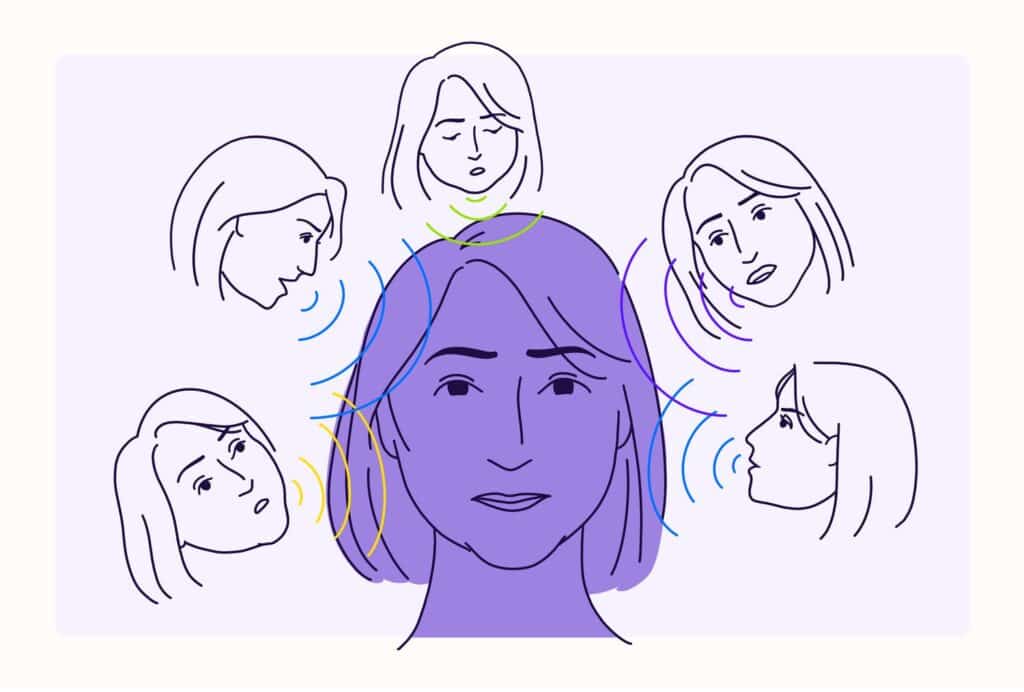
Schizophrenia, a mental disorder with a wide range of symptoms, is a widespread and often misunderstood condition that afflicts millions of individuals around the world. Symptoms of schizophrenia include hallucinations, delusion, disorganized thinking, and cognitive impairment. These manifestations can be highly disruptive and have a considerable influence on an individual’s day-to-day life and functioning. Let us talk about the Diagnosis of Schizophrenia. Schizophrenia is not a personality disorder, nor is it a sign of vulnerability. Rather, it is a neurological condition that has a wide range of effects on a person’s cognitive, emotional, and behavioral functioning. The exact mechanism of schizophrenia is yet to be elucidated, but the most widely accepted hypothesis is that it is caused by a complex combination of genetic predisposition, environmental factors, and neurogenetic alterations. Schizophrenia can be a difficult condition to live with, however, those diagnosed with the disorder can lead meaningful and fulfilling lives with the right assistance and treatment. By raising awareness of schizophrenia among ourselves and others, we can help to reduce the stigma associated with the condition and promote an inclusive society for all. What is schizophrenia? Schizophrenia is a chronic and severe mental disorder that affects how a person thinks, feels, and behaves. It is often characterized by a combination of hallucinations, delusions, disorganized speech, and impaired cognitive abilities. These symptoms can be distressing not only for the individual experiencing them but also for their loved ones. Schizophrenia is believed to be caused by a combination of genetic, environmental, and chemical factors in the brain. While the exact cause is still unknown, research suggests that imbalances in certain neurotransmitters, such as dopamine and glutamate, play a role in the development of the disorder. What is the process of the diagnosis of Schizophrenia? When getting diagnosed with schizophrenia, can be a very daunting and perplexing experience. It has become very important to keep in mind that the diagnosis does not represent a label or an indication of one’s identity. Rather, it is a means to an understanding and treatment of one’s symptoms. Early warning signs of schizophrenia Recognizing the early warning signs of schizophrenia is crucial for early intervention and effective management of the disorder. While the symptoms may vary from person to person, some common early warning signs include: 1. Social withdrawal: Individuals may start to withdraw from social activities, spending more time alone and avoiding interactions with friends and family. 2. Changes in performance at work or school: A decline in performance at work or school, such as a drop in grades or difficulty completing tasks, may indicate the onset of schizophrenia. 3. Changes in emotions and behavior: Mood swings, increased irritability, and changes in behavior, such as increased aggression or suspiciousness, can be early indicators of schizophrenia. 4. Difficulty concentrating: Problems with concentration and attention can interfere with a person’s ability to focus and engage in tasks. What are the symptoms of schizophrenia? Following the DSM-5, a diagnosis of schizophrenia confirms the presence of two or more of the five primary symptoms listed. These symptoms must be present for a minimum of one month and can have a significant influence on an individual’s ability to perform in their professional life or social relationships. 1. Delusions and Hallucinations Delusions are the beliefs that a specific person has that they stick to no matter what the evidence says. For instance, a person with schizophrenia might think that someone might be following them or that they have special powers. Hallucinations are the things that you can see that aren’t there. You can see them with your eyes, hear them with your ears, or use any of your senses. The most common hallucination with schizophrenia is hearing voices. 2. Disorganized Speech People with schizophrenia often talk in rambling bursts. It can seem like their thoughts are jumping from one subject to another, making it hard to make sense of what they’re saying. Sometimes it can be so confusing that it’s impossible to make sense of it all. 3. Disordered thinking and Behavior People with schizophrenia can have chaotic thoughts that can affect every part of their lives. They can have unpredictable outbursts, weird body movements, and no reaction at all (called catatonia). They can also have trouble with daily tasks like washing their hands. If you or a loved one are exhibiting similar symptoms, it is essential to seek medical attention. A mental health professional, typically a psychiatrist, will make a diagnosis of schizophrenia based on a comprehensive assessment that takes into account the patient’s symptoms, medical background, and family history. 4. Evaluation for Schizophrenia Diagnosis of schizophrenia is based on a combination of assessments. These include interviews with the patient, regarding their symptoms and psychiatric history: physical examinations to exclude medical causes: and psychological assessments conducted by a qualified mental health professional. 5. Physical Exam Diagnosis typically begins with a physical examination. This allows physicians to exclude other factors that may be responsible for the symptoms. For instance, certain neurological disorders, such as epilepsy, brain tumors, encephalitis, endocrine disorders, and metabolic disorders, may sometimes resemble schizophrenia symptoms. Additionally, infectious diseases and autoimmune disorders that involve the central nervous system may mimic schizophrenia symptoms. If appropriate, physicians may order additional tests, such as brain imaging techniques, including CT scans or magnetic resonance imaging (MRIs). 6. Various tests and Screening for Schizophrenia. Laboratory findings and imaging studies are generally considered to be adequate for the diagnosis of schizophrenia, however, they are necessary for the exclusion of other conditions. Additionally, certain behavioral patterns associated with mental illness, such as excessive drinking of water, may manifest themselves as metabolic issues in laboratory results. Toxicological screening may be beneficial, as a variety of substances, such as alcohol, cocaine, opiates, and certain over-the-counter and prescription medications, are known to induce psychotic symptoms. 7. Evaluation by Psychiatrist A psychiatric assessment typically consists of an in-person interview, as well as, in certain circumstances, an examination of both medical and psychiatric documentation. The physician or mental health practitioner will
Why Suicide Prevention Awareness Matters: Taking a Stand
Suicide is a devastating and complex issue that affects millions of individuals and communities worldwide. Suicide prevention awareness plays a vital role in combatting this tragic epidemic. By understanding the importance of raising awareness, we can take a stand to save lives. The Importance of Raising Awareness about Suicide Prevention Raising awareness about suicide prevention is crucial because it helps to break the silence surrounding this sensitive topic. By openly discussing the issue, we can reduce the stigma associated with mental health and encourage individuals to seek help. When we raise awareness, we let people know that they are not alone and that there is support available. Facts and Statistics about Suicide To truly understand the importance of suicide prevention awareness, it is essential to look at the facts and statistics surrounding suicide. According to the World Health Organization (WHO), approximately 800,000 people die by suicide every year, making it the second leading cause of death among individuals aged 15-29. These statistics highlight the urgent need for awareness and action. The Impact of Suicide on Individuals and Communities Suicide not only affects individuals but also has a profound impact on communities. The loss of a loved one to suicide leaves family and friends devastated, grappling with feelings of guilt and grief. Entire communities can be shaken by the loss, leading to a ripple effect of pain and despair. By raising awareness, we can help communities come together to support those affected and prevent further tragedy. Promoting mental health and well-being Suicide prevention awareness is not just about preventing suicide; it is also about promoting mental health and well-being. By educating individuals about the importance of self-care, coping mechanisms, and seeking help, we can empower them to take control of their mental health. When we prioritize mental well-being, we create a society that is more resilient and better equipped to handle life’s challenges. Resources and Organizations Supporting Suicide Prevention Awareness There are numerous resources and organizations dedicated to suicide prevention awareness. From helplines to support groups, these resources provide a lifeline for those in need. Organizations like the National Suicide Prevention Lifeline and the American Foundation for Suicide Prevention work tirelessly to raise awareness, provide education, and support those affected by suicide. By utilizing these resources, individuals can find the help they need and become advocates for suicide prevention themselves. How to get involved in suicide prevention activities? Getting involved in suicide prevention activities is an impactful way to make a difference. There are various ways to contribute, such as volunteering at local organizations, participating in fundraising events, or organizing awareness campaigns in your community. By actively engaging in these activities, you can help spread the message of hope and support, ultimately saving lives. The 3 Cs of Suicide Crisis Response: Connection, Collaboration & Choice Interview with Dr. John Draper Dr. John Draper, a leading expert in suicide prevention, emphasizes the ‘3 Cs’ of suicide crisis response: Connection, Collaboration, and Choice. Connection involves making the person in crisis feel understood and not alone. Collaboration refers to working together with the individual to explore options and find solutions, while Choice empowers them by involving them in decisions about their care and recovery. Application of the 3 Cs in Suicide Crisis Response The application of the ‘3 Cs’ can be seen in various crisis response services, such as the Lifeline network of call centers funded by the U.S. Department of Health and Human Services. This network, accessible through the easy-to-remember number 988, offers 24/7 support for anyone in crisis, connecting them with trained volunteers who provide empathetic listening, collaborate on coping strategies, and respect the texter’s autonomy throughout the conversation. (source) Sharing personal stories and experiences to raise awareness Personal stories and experiences have the power to create empathy and understanding. By sharing our own struggles with mental health or experiences with suicide, we can break down barriers and encourage others to seek help. When we open up about our vulnerabilities, we let others know that they are not alone and that there is hope for a better tomorrow. Story of Emily Life can be ironic. On the surface, I had everything going for me. I had a well-paying job, a supportive spouse, and a supportive circle of friends. However, what no one could see was the inner struggle I was enduring on a daily basis. I reached a point where the burden of anxiety and depression had become too much to bear. It had been a particularly difficult week, and I had formulated a plan to end the suffering that evening. I was prepared to say farewell to the world and to end the suffering forever. But then, out of nowhere, my phone buzzed. It was a message from Mark, a friend from my childhood. We hadn’t talked in years, and honestly, I had almost forgotten about him. Little did I know, Mark had gone through his own hell when he lost his father to suicide when we were teenagers. He had recently begun volunteering at the suicide prevention hotline. That evening, a part of him compelled him to contact me. In his message, he simply expressed that he was concerned and that he was available to listen. When I read his message, I was overcome with emotion. I burst into tears and decided to share my experiences with Mark. His response was overwhelming. He advised me to seek professional assistance and even accompanied me to my initial therapy session. With the help of therapy, medications, and Mark’s support, I began my journey to recovery. It was not an easy process, but it was ultimately rewarding. Talk Away the Dark initiative by AFSP The American Foundation for Suicide Prevention’s (AFSP) ‘Talk Away the Dark’ initiative leverages the power of digital platforms to raise suicide prevention awareness. Through a series of informative videos, individuals share their personal experiences, while experts provide insights into mental health and suicide prevention. The initiative encourages viewers to share these videos on social media, thereby spreading the
Navigating ADHD Treatment for Adults : A Comprehensive Guide
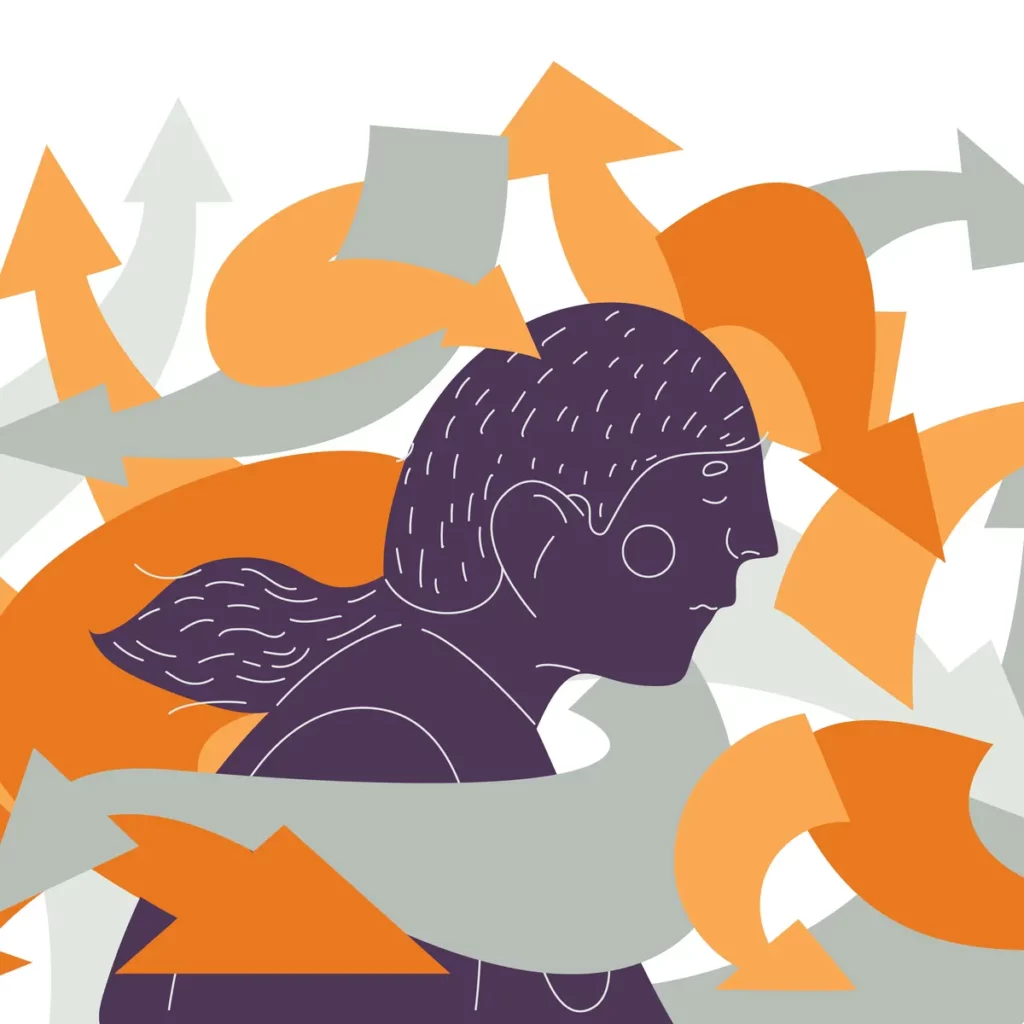
If you’re living with Attention Deficit Hyperactivity Disorder (ADHD), it can be very challenging for adults. This condition often affects children, but it also has a significant impact on the lives of adults. Adults with ADHD need constant support and treatment to cure it. ADHD comes with various symptoms which include inattention, hyperactivity, and impulsivity. These symptoms may look different in adults. For example, they may struggle with organization, time management, and maintaining focus. What are the common struggles faced by Adults with ADHD? Continuing with life with ADHD Comes with significant challenges and affects you as well as your surrounding people. People with ADHD find it challenging to maintain stable employment as they struggle with time management, organization, and completing tasks. This all leads to feelings of frustration, low self-esteem, and even joblessness. Adults with ADHD may have difficulty communicating, listening, and following conversations in relationships. These difficulties hamper their relations with partners, family members, and friends. People with ADHD may have trouble managing money due to inconsistency and impulsiveness. What is the importance of seeking treatment for Adult ADHD? For finding the right treatment, it’s important to understand how ADHD affects adults. Some adults with ADHD may not have been diagnosed as children, but still have symptoms. Getting treatment for adult ADHD can change your life. It helps you learn strategies to manage the symptoms and take control. Adults with ADHD who do not receive treatment may have trouble in different areas like work and relationships. It can also affect their well-being. But, with the right treatment, people can improve their functioning and quality of life. What are the different ADHD treatments for Adults? Treating ADHD in adults usually involves using medication, therapy, and making lifestyle changes. The treatment plan may vary based on a person’s needs, references, and healthcare professionals’ recommendations. Benefits and Potential Side Effects of ADHD Medication for Adults Medication is a common component of ADHD treatment for adults. Medications such as methylphenidate, lisdexamfetamine, dexamfetamine, atomoxetine, guanfacine, and amphetamines can help with attention and impulse control. They work by regulating the chemicals in the brain. These medications help adults with ADHD manage their symptoms effectively. ADHD medicines don’t cure the condition forever. But, it can help with focus, control, calmness, and learning in your life. If your doctor and specialist diagnose you with ADHD as an adult, they can talk about the best medications and treatments for you. If your offspring needs the above medicines, the amount of the doses will be small. After some time has passed, the dosage may increase. To ensure that the treatment works or catch any issues, it is mandatory to see a doctor for regular check-ups. It’s important to let the doctor know if you have any side effects and talk to them if you feel that you need to stop or change the treatment. Your specialist doctor will let you know how long you should continue the treatment. Most of the time, doctors consult on continuing the treatment as long as possible. Methylphenidate Methylphenidate is the most commonly used medicine for ADHD. It is also called a stimulant. This medicine helps increase the activity of the brain that controls attention and behavior. Mental Healthcare providers often prescribe methylphenidate to adults, teenagers, and children over 5 with ADHD. The medicine is given either in small doses 2 to 3 times a day or as a once-a-day dose released throughout the day. Common side effects of methylphenidate include: a small increase in blood pressure and heart rate loss of appetite, which can lead to weight loss or poor weight gain trouble sleeping headaches stomach aches feeling aggressive, irritable, depressed, anxious, or tense Lisdexamfetamine Lisdexamfetamine is a medicine that stimulates certain parts of the brain. This stimulation helps focus attention and can reduce impulsive behavior. If methylphenidate doesn’t help after 6 weeks, healthcare providers may offer this to teenagers and children over 5 with ADHD. Doctors often prescribe Lisdexamfetamine as the first medicine for adults instead of methylphenidate. It comes in capsule form and should be taken once a day. Common side effects of lisdexamfetamine include: decreased appetite, which can lead to weight loss or poor weight gain aggression drowsiness dizziness headaches diarrhoea nausea and vomiting Dexamfetamine This medicine functions similarly to lisdexamfetamine, and doctors are considering extending the offer to individuals with ADHD, including adults, teenagers, and children aged 5 and older. Dexamfetamine is typically used in tablet form and can be taken 2-4 times a day, but there’s also an oral solution option if you prefer that. Common side effects of dexamphetamine include: decreased appetite mood swings agitation and aggression dizziness headaches diarrhoea nausea and vomiting Guanfacine Guanfacine does two things: it helps with attention by working on a certain part of the brain, and it also brings down blood pressure. We can give Guanfacine to kids who are at least 5 years old, but only if they can’t use methylphenidate or lisdexamfetamine. However, it’s not a good option for adults with ADHD. Usually, people take Guanfacine as a tablet once a day, either in the morning or at night. Common side effects include: tiredness or fatigue headache abdominal pain dry mouth While taking medication for ADHD can have its advantages, it’s important to know that there can be some side effects to watch out for. When adults use ADHD meds, they might experience things like a reduced appetite, trouble sleeping, or a faster heartbeat. But, don’t worry too much because these side effects are usually not too severe, and you can often deal with them by changing the dosage or exploring different medication options. What are Non-Medication Approaches to Treating ADHD in Adults? Apart from taking medication, other ways can work for adults dealing with ADHD symptoms. These methods include things like learning more about ADHD (we call it psychoeducation), trying out cognitive-behavioral therapy (CBT), and making some lifestyle tweaks. Psychoeducation is like giving yourself a crash course in ADHD. It helps you understand what’s going on
Major Depressive Disorders Symptoms: Understanding and Coping

Major depressive disorder (MDD), also referred to as major depressive disorder, is a scientific term that encompasses a wide range of emotions. It is not simply a state of sadness or a period of difficulty. It is a medical condition that necessitates comprehension, treatment, and a great deal of support from the family. Let us explore the following topics: Major depressive disorders and major depressive disorders symptoms. What are Major Depressive Disorders and their Symptoms? Major Depressive Disorders, also known as clinical depression is one of the most serious mood disorders that affects you as well as the people around you. Various depressive disorders symptoms that affect how you feel, think, and handle daily activities including sleeping, eating, or working. The depressive disorders symptoms must be present for at least two weeks so that it can be diagnosed as a disorder. This mental health condition is debilitating and will lead to a variety of emotional and physical problems. The Significance of Grasping Major Depressive Disorder It’s really important for everyone, not just those going through it, to grasp what Major Depressive Disorder is all about. When we get a handle on it, it means we can spot it early, find the right treatment, and handle it better. Plus, when we understand this disorder, we can start chipping away at the stigma around mental health. That way, more folks will feel comfortable reaching out for support when they need it. Let’s chat about how common it is and how it affects people and society. You know, Major Depressive Disorder is pretty common in the United States. According to the National Institute of Mental Health, about 7% of adults here have gone through at least one major depressive episode in the past year. That’s like 17.3 million folks dealing with it. MDD doesn’t just hit individuals; it also has a big ripple effect on society too. According to the World Health Organization (WHO), depression is the top cause of disability across the globe. It can mess with how people perform at their jobs, put a strain on their relationships, and in really serious cases, it can even lead to suicide. So, the price society pays because of depression is huge, and that’s why it’s such a major public health concern. Exploring Major Depressive Disorder isn’t just something for textbooks; it’s vital in our mission to boost mental health and happiness together. As we dig deeper into the details of this condition in the next parts, keep in mind that knowing about it gives us an upper hand. The more we get how it works, the better we can tackle it, be there for those going through it, and, in the end, shrink its effects on our community. Let’s talk about what we mean when we say ‘Major Depressive Disorders. You know, when we talk about Major Depressive Disorder (MDD), it’s basically what we usually call depression. It’s a pretty serious mental health condition where you’re stuck feeling really sad, and hopeless, and you lose interest or joy in the things you normally enjoy. The tricky thing about MDD is that these feelings aren’t just a passing phase; they stick around for at least two weeks or even longer. It’s not just a case of having a bad day or feeling down after a tough time – this is a complex issue that can affect anyone, no matter their age. Understanding Recurrence in Major Depressive Disorder (MDD) In the world of MDD (that’s Major Depressive Disorder, by the way), when we say “recurrent,” we’re basically talking about folks who’ve dealt with more than one bout of major depression. So, picture this: someone goes through their first round of major depression and then decides to make a comeback a few times in their life. These comebacks can be sparked by specific life events, or they can just pop up out of nowhere. The important thing to remember here is that even if someone has only faced that big D (major depressive episode) once, they’re still in the MDD club. It’s all about the symptoms and how heavy they hit, not how often they show up. When we talk about how serious a case of MDD is, we use the term “moderate” to describe how intense the symptoms are. You see, major depressive episodes can be divided into three categories: mild, moderate, and severe. A moderate episode falls in the middle, meaning the symptoms are pretty tough and can really get in the way of your daily life, but it might not be as all-consuming as a severe episode. But here’s the important thing to remember: just because it’s called “moderate” doesn’t mean it’s not a big deal. Even a moderate episode of MDD needs attention and treatment. Feelings of Major Depressive Disorder. Basically, when we talk about Major Depressive Disorder, we’re looking at recognizing those ongoing, all-encompassing feelings of sadness and hopelessness that really mess with your everyday life. Terms like “keeps coming back” and “not too extreme” help doctors figure out how often and how bad these feelings are, which helps them decide on the best way to treat them So, just keep in mind that getting a handle on these definitions is the first thing to do if you want to spot and deal with this pretty common mental health problem. How to Recognize the Symptoms of Major Depressive Disorders? To really get a grip on any condition, especially one as tricky as major depressive disorder (MDD), you’ve got to start by getting cozy with major depressive disorder symptoms. Think of these as the little flags that say, “Hey, something might be up,” and they’re pretty darn important in nudging someone toward seeking some assistance. But, here’s the kicker: MDD symptoms are like a mixed bag of surprises. They’re different for everyone, both in terms of what’s showing up and how intense they can get. What are the common symptoms of Major Depressive Disorders? When someone’s dealing with MDD, they often