
Why Does Depression Make You Tired? Practical Tips for Managing Fatigue and Low Energy
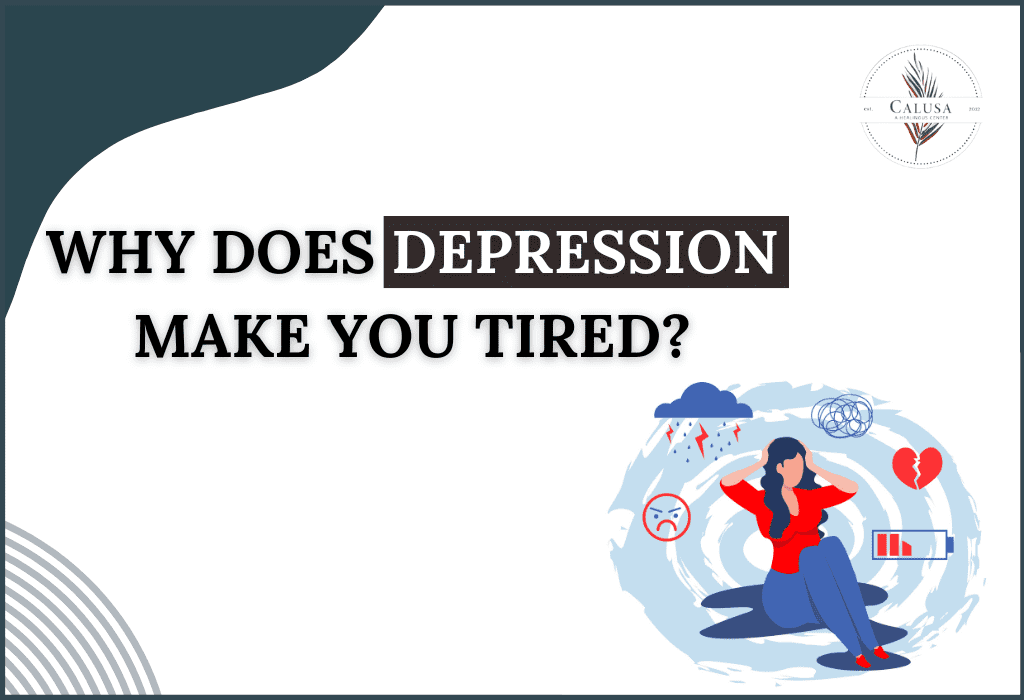
Feeling exhausted all the time? Struggling to get through the day even after a full night’s sleep? You’re not alone. Depression isn’t just about sadness; it affects your energy levels, motivation, and even your physical health. Many people experiencing depression find themselves constantly fatigued, making even the smallest tasks feel overwhelming. Suppose you’ve ever wondered, “Why does depression make you tired?” this blog will help you understand the link between depression and fatigue, along with practical ways to regain your energy. Most importantly, we’ll discuss how support and professional care, like the services at Calusa Recovery, can help you find relief. How Depression Affects Your Energy Levels Depression impacts both the mind and body. It’s not just about feeling emotionally drained; it can also cause physical fatigue, mental fog, and a constant sense of exhaustion. But why does depression make you tired? Approximately 90% of patients with Major Depressive Disorder (MDD) experience severe fatigue, even when undergoing antidepressant treatment. Several factors contribute to this overwhelming fatigue: 1. Brain Chemistry and Hormones Depression affects neurotransmitters like serotonin and dopamine, which are responsible for mood, motivation, and energy levels. When these chemicals are imbalanced, you may feel sluggish, unmotivated, and constantly drained. 2. Sleep Disturbances People with depression often experience insomnia or excessive sleep. Even if you sleep for hours, you might still wake up feeling unrefreshed. A disrupted sleep cycle can leave you feeling groggy throughout the day. 3. Chronic Stress and Anxiety Depression increases cortisol (the stress hormone), which keeps your body in a constant state of tension. Over time, this leads to exhaustion and burnout. 4. Lack of Motivation and Movement When you feel mentally exhausted, physical activity feels impossible. But avoiding movement can actually make fatigue worse. Without regular activity, your body’s energy levels drop even further. 5. Poor Nutrition and Dehydration Depression often leads to poor eating habits. Skipping meals, eating unhealthy foods, or not drinking enough water can cause energy crashes and worsen fatigue. Practical Tips for Managing Depression-Related Fatigue But why does depression make you tired? If depression is making you tired, there are ways to regain your energy and feel more like yourself again. 1. Prioritize Quality Sleep Stick to a consistent sleep schedule by going to bed and waking up at the same time every day. Create a relaxing bedtime routine (limit screen time, read a book, or listen to calming music). Avoid caffeine and heavy meals before bed. If sleep problems persist, consider therapy or medical support to regulate your sleep patterns. 2. Stay Physically Active Start small; a short walk, stretching, or light yoga can boost energy. Exercise releases endorphins, improving mood and reducing fatigue. Move throughout the day, even if it’s just standing up and stretching every hour. 3. Improve Your Nutrition Eat balanced meals with protein, healthy fats, and complex carbs for sustained energy. Stay hydrated; dehydration can make fatigue worse. Limit sugar and processed foods, which cause energy crashes. 4. Manage Stress and Anxiety Practice deep breathing, meditation, or mindfulness to lower stress. Set realistic goals; don’t overwhelm yourself with too many tasks. Engage in hobbies or activities that bring you joy, even if they feel small. 5. Seek Support and Professional Help Therapy can help address underlying emotional struggles causing fatigue. Medication may be beneficial for regulating mood and energy levels. A structured recovery program, like those at Calusa Recovery, provides personalized support to help you regain strength and motivation. Fatigue is reported in 96% of patients with dysthymia (a form of chronic depression), highlighting its prevalence in depressive disorders. How Calusa Recovery Can Help If you’re feeling exhausted every day and struggling to function, you don’t have to deal with it alone. At Calusa Recovery, we understand the deep connection between depression and fatigue. Our programs focus on: Personalized therapy to help manage emotions and reduce mental exhaustion. Holistic wellness plans, including sleep therapy, nutrition guidance, and exercise. Stress management techniques to help you regain control of your energy levels. With the right support, you can overcome depression-related fatigue and feel like yourself again. When to Seek Help While occasional tiredness is normal, chronic exhaustion caused by depression isn’t something to ignore. You should consider seeking help if: Fatigue is interfering with your daily life (work, relationships, or responsibilities). You feel constantly drained, no matter how much rest you get. Depression is making it hard to stay motivated, eat properly, or take care of yourself. You’re experiencing persistent sadness, hopelessness, or difficulty finding joy. Depression is treatable, and fatigue doesn’t have to control your life. Professional support can make a significant difference. Final Thoughts: Regain Your Energy and Feel Better So, why does depression make you tired? It’s a combination of brain chemistry, sleep disturbances, stress, and lifestyle factors. But the good news is that you don’t have to stay stuck in this cycle. By making small lifestyle changes, prioritizing mental health, and seeking the right support, you can overcome depression-related fatigue and feel more energized, motivated, and in control of your life. At Calusa Recovery, we’re here to help you every step of the way. Our compassionate, professional team offers therapy, wellness plans, and holistic treatments designed to restore your energy and well-being. If you’re ready to take the first step toward healing, reach out to Calusa Recovery today. A healthier, more energized life is possible. FAQs Q. Why am I so tired from depression? A. Depression affects brain chemicals responsible for energy and motivation. It disrupts sleep, increases stress hormones, and causes fatigue. Nutritional deficiencies, inactivity, and emotional distress also contribute. Addressing sleep, diet, and therapy can help restore energy levels. Q. How to pull yourself out of a depressive episode? A. Start with small steps, establish a routine, prioritize sleep, eat nourishing foods, and engage in light exercise. Seek social support, practice mindfulness, and consider therapy or professional treatment. Recovery takes time, but consistent self-care and professional guidance can make a significant difference. Q. Why do depressed people feel sleepy? A. Depression
Is Seasonal Depression Real? Effective Treatments and Coping Strategies
There’s a certain heaviness that comes with seasonal change, one that goes beyond just feeling a little down. You may wake up exhausted, even after a full night’s sleep. The things that once made you happy don’t seem to matter anymore. Anxiety creeps in, making simple tasks feel overwhelming. Maybe you’re turning to alcohol or substances just to cope with the emptiness. If this sounds familiar, you are not alone. Many people experience this shift in mood when the seasons change. But is seasonal depression real? Yes, it is. Seasonal depression, also known as Seasonal Affective Disorder (SAD), is a very real and serious mental health condition that can trigger deeper struggles, including anxiety, substance abuse, and worsening depression. At Calusa Recovery, we understand how overwhelming this can feel. That’s why we provide personalized mental health and addiction treatment to help you regain control of your life. Through therapy, holistic treatments, and compassionate care, we guide individuals through the challenges of seasonal depression and related struggles. If you’ve been wondering whether is seasonal depression real, or if your symptoms are part of a bigger issue, keep reading. You deserve to heal, and we are here to help. What Is Seasonal Depression? Seasonal depression is a type of depression that occurs at certain times of the year, most commonly in fall and winter. The lack of sunlight, colder temperatures, and shorter days can have a direct impact on mood and energy levels. For some, seasonal depression is manageable. But for others, it can trigger severe depression, anxiety disorders, and even addiction issues. Without proper care, what starts as seasonal sadness can spiral into something more serious. Seasonal Affective Disorder (SAD) affects approximately 0.5% to 3% of the general population, with higher prevalence in individuals with existing mood disorders. Symptoms of Seasonal Depression Many people dismiss seasonal depression as just the “winter blues.” But if left untreated, it can deeply affect your well-being. If you’ve ever asked yourself, “is seasonal depression real”, take a look at these common symptoms: Ongoing sadness or hopelessness that lasts for weeks or months. Loss of interest in activities you once enjoyed. Extreme fatigue and low energy, even after resting. Irritability, anxiety, or mood swings. Increased cravings for sugar and carbs, often leading to weight gain. Changes in sleep patterns, either sleeping too much or struggling with insomnia. Difficulty concentrating or making decisions. For those already dealing with anxiety, depression, or addiction, seasonal depression can worsen symptoms or increase the risk of relapse. This is why professional help is essential. How Seasonal Depression Can Trigger Other Issues Many people don’t realize that seasonal depression doesn’t exist in isolation. It can act as a trigger for deeper mental health struggles, such as: Anxiety Disorders – The shift in mood can heighten anxiety, making social situations, work, or daily life overwhelming. Substance Abuse – Many turn to alcohol or drugs to “numb” the pain of seasonal depression. Depression and Suicidal Thoughts – If untreated, seasonal depression can escalate into major depressive disorder. Bipolar Disorder – Those with bipolar disorder may experience more severe mood swings during seasonal changes. If you or a loved one is struggling, Calusa Recovery is here to help. We offer mental health treatment programs tailored to your specific needs, ensuring that seasonal depression doesn’t lead to a deeper crisis. Effective Treatments for Seasonal Depression The good news? Seasonal depression is treatable. If you’ve been asking, “is seasonal depression real”, here’s how it can be managed effectively: Light Therapy Since a lack of sunlight is a major trigger, light therapy is one of the best treatments. It works by: Mimicking natural sunlight, which helps regulate mood. Boosting serotonin and melatonin levels. Improving energy levels and reducing fatigue. At Calusa Recovery, we guide clients in using light therapy safely alongside other treatment methods. Therapy and Counseling Talking to a therapist can make a huge difference. Cognitive Behavioral Therapy (CBT) is especially helpful for changing negative thought patterns and developing healthy coping strategies. Therapy helps by: Identifying triggers that worsen seasonal depression. Teaching coping skills to manage mood changes. Providing support and encouragement during difficult seasons. Our expert team at Calusa Recovery provides personalized therapy sessions designed to help you regain control of your mental health. Medication Options For some individuals, medication can help manage severe symptoms. A doctor may prescribe: Antidepressants (SSRIs) to regulate serotonin levels. Vitamin D supplements if low levels are contributing to depression. If you’re unsure whether medication is right for you, our specialists at Calusa Recovery can help assess your needs and recommend the best options. Coping Strategies for Seasonal Depression While professional treatment is key, there are also daily habits that can reduce symptoms. If you’ve been wondering, “is seasonal depression real”, trying these strategies can help you take back control. Stay Active Exercise is a natural antidepressant that helps by: Releasing mood-boosting endorphins. Reducing stress and anxiety. Improving sleep quality. Get More Natural Light Even if the sun isn’t shining, exposure to daylight helps regulate mood. Try to: Spend time outside during daylight hours. Open curtains and blinds in your home. Take short walks in the morning or early afternoon. Follow a Healthy Routine Having a consistent routine can prevent seasonal depression from taking over. This includes: Maintaining a regular sleep schedule. Eating a balanced diet with plenty of nutrients. Practicing relaxation techniques like meditation or deep breathing. Seek Support Social connection is key. Try to: Talk to friends or family about how you’re feeling. Join support groups for people struggling with seasonal depression. Engage in hobbies or activities that bring you joy. At Calusa Recovery, we offer support groups and holistic therapy options to help you stay connected and supported. How Calusa Recovery Can Help At Calusa Recovery, we provide comprehensive treatment for those struggling with seasonal depression, mental health disorders, and addiction. Our programs include: One-on-one therapy for emotional and mental health support. Holistic treatments like light therapy, mindfulness, and exercise programs. Personalized recovery plans that focus on
Living with Bipolar 1 vs. Bipolar 2: Understanding the Impact on Daily Life
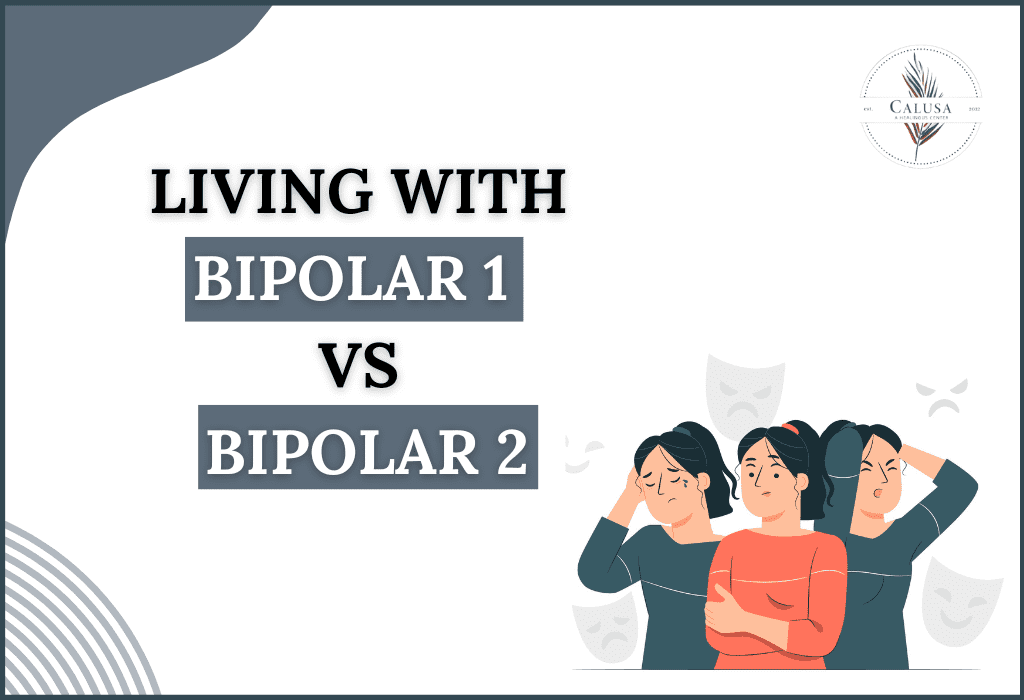
What if you woke up every day not knowing which version of yourself you would be? Some days, you’re bursting with energy, your mind racing with ideas, and you feel unstoppable. On other days, the weight of the world crushes you, making it impossible to get out of bed. The unpredictability of bipolar disorder doesn’t just affect emotions; it affects everything: your relationships, your career, and even your sense of self. For many, the difference between bipolar 1 and 2 determines how extreme these highs and lows become. But no matter which type you have, one thing is clear: without the right support, bipolar disorder can take control of your life. And for some, it leads to something even more dangerous: self-medication through drugs or alcohol, reckless behaviors, or deep, isolating depression. At Calusa Recovery, we see you. We know how hard it is to feel trapped in a cycle of emotional highs and devastating lows. But you are not broken. You are not alone. With the right treatment, structure, and support, healing is possible. We specialize in helping individuals with bipolar disorder regain stability, manage triggers, and build a fulfilling life. Understanding the Difference Between Bipolar 1 and 2 Approximately 2.8% of U.S. adults experienced bipolar disorder in the past year, with similar prevalence among males (2.9%) and females (2.8%). Bipolar disorder is a complex mental health condition that causes extreme mood swings. These shifts between emotional highs (mania or hypomania) and deep lows (depression) affect thoughts, behaviors, and decision-making. While bipolar 1 and bipolar 2 share similarities, understanding the difference between bipolar 1 and 2 is essential for finding the right treatment. Bipolar 1: Severe Mood Swings and Impulsive Behavior Bipolar 1 is characterized by full manic episodes that last for at least a week. These episodes can cause reckless decisions, high energy levels, and even hallucinations or delusions. Many individuals with bipolar 1 also struggle with substance abuse due to impulsive behaviors. Severe manic episodes may require hospitalization. Bipolar 2: Long-Lasting Depression and Subtle Mood Shifts Bipolar 2 involves hypomania, a milder form of mania that doesn’t lead to extreme behaviors. While hypomania might not seem dangerous, the depressive episodes in bipolar 2 are often deeper and longer-lasting. Many people with bipolar 2 experience anxiety, suicidal thoughts, or self-medication through drugs or alcohol. Because hypomania can go unnoticed, bipolar 2 is sometimes misdiagnosed as depression. How Bipolar Disorder Can Trigger Other Issues Both bipolar 1 and bipolar 2 can lead to other mental health and addiction challenges. Without treatment, these issues can worsen, making it even harder to find balance. About 50% to 66% of individuals with bipolar disorder have at least one comorbid psychiatric condition, such as anxiety disorders or substance use disorders. Common Issues Linked to Bipolar Disorder: Substance Abuse – Many individuals use alcohol or drugs to manage mood swings, leading to addiction. Anxiety Disorders – The unpredictability of bipolar disorder often causes chronic anxiety. Depression and Suicidal Thoughts – The depressive phases of bipolar 1 and bipolar 2 can be life-threatening. Impulse Control Issues – Manic or hypomanic episodes can lead to reckless decisions, including gambling, overspending, or risky behaviors. At Calusa Recovery, we offer specialized programs that address these co-occurring disorders. Whether you’re struggling with bipolar disorder, addiction, or anxiety, our integrated approach helps you build long-term stability. Daily Life with Bipolar 1 vs. Bipolar 2 Bipolar disorder affects every aspect of life, from relationships to work. However, the way it impacts daily life varies between bipolar 1 and bipolar 2. How Bipolar 1 Affects Daily Life Sudden manic episodes can lead to dangerous behaviors damaging relationships and careers. Extreme mood swings make it difficult to maintain a stable routine. Impulsivity can cause financial problems, legal issues, or addiction struggles. How Bipolar 2 Affects Daily Life The depressive episodes in bipolar 2 can make it hard to complete daily tasks or maintain motivation. Many individuals experience chronic fatigue, low self-esteem, and social withdrawal. Since hypomania is often overlooked, people may not seek treatment until the depression becomes severe. If you’re struggling with these challenges, Calusa Recovery offers structured treatment plans to help you regain control of your life. Treatment Options for Bipolar 1 and 2 The good news is that both bipolar 1 and bipolar 2 can be managed with the right treatment. At Calusa Recovery, we provide a range of services to support your healing process. Medication for Mood Stabilization Mood stabilizers help regulate emotional highs and lows. Antidepressants are sometimes used cautiously for bipolar 2. Antipsychotic medications can help control severe mania in bipolar 1. Therapy for Emotional Balance Cognitive Behavioral Therapy (CBT) helps individuals recognize unhealthy thought patterns. Trauma Therapy addresses past experiences that may trigger mood swings. Family Therapy helps loved ones understand how to provide support. Holistic & Lifestyle Approaches Regular exercise can improve mood stability. A structured sleep schedule helps prevent manic or depressive episodes. Avoiding alcohol and drugs reduces mood instability and addiction risk. At Calusa Recovery, we tailor treatment to your needs, combining therapy, medication management, and holistic approaches for long-term healing. How Calusa Recovery Can Help You If you’re living with bipolar disorder, you don’t have to face it alone. At Calusa Recovery, we provide specialized programs that treat bipolar 1, bipolar 2, and co-occurring disorders like addiction or anxiety. Our Approach Includes: Personalized Treatment Plans – We create customized recovery strategies based on your unique needs. Medication & Therapy Support – Our team ensures you get the right combination of treatments. Dual Diagnosis Treatment – If you struggle with addiction alongside bipolar disorder, we help address both issues simultaneously. Ongoing Support – From outpatient therapy to relapse prevention, we’re here to guide you through every step of recovery. Final Thoughts: Take Back Your Life Today The difference between bipolar 1 and 2 can change how symptoms appear, but no matter which type you have, one thing is true: you deserve to live a stable, fulfilling life. Right now, it might feel
How a Person with Bipolar Thinks: Dispelling Myths and Fostering Understanding
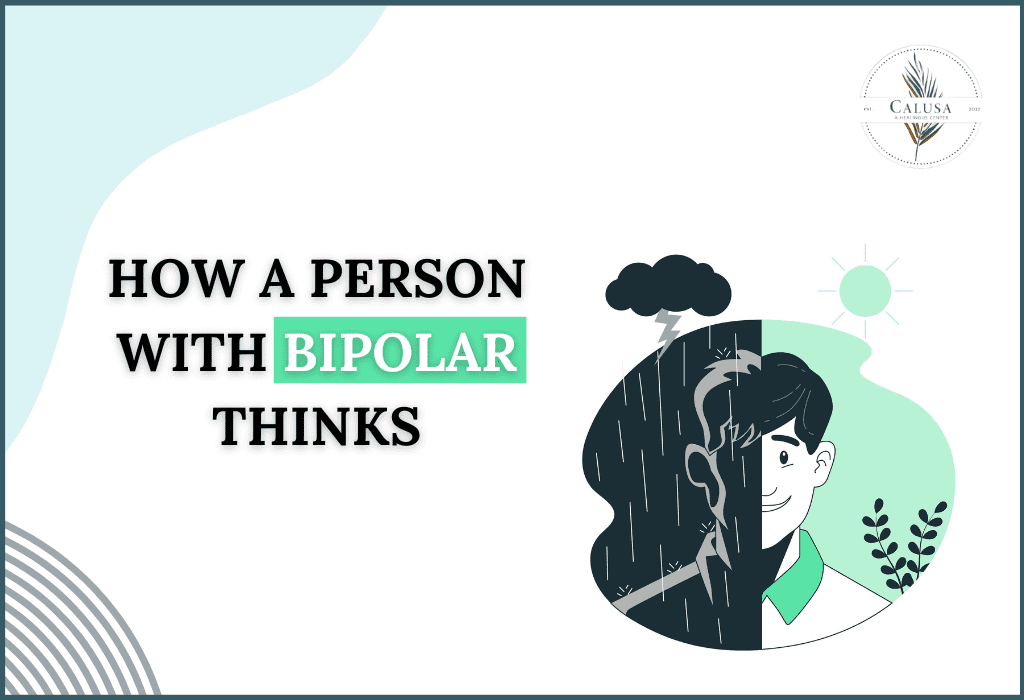
One moment, you feel unstoppable, full of energy, excitement, and confidence. The next, you’re drowning in exhaustion, hopelessness, and self-doubt. Your mind never slows down, racing from idea to idea, thought to thought. Then, suddenly, it all crashes, leaving you feeling empty. This is the reality of how a person with bipolar thinks, a mental tug-of-war that can make even the simplest tasks feel impossible. And when addiction enters the picture, it only makes things worse. The emotional highs push you toward risky decisions, and the crushing lows leave you desperate for an escape. At Calusa Recovery, we understand this struggle. We know how hard it is to feel out of control of your own mind. But you don’t have to fight this battle alone. Our specialized treatment programs help individuals break free from the cycles of bipolar disorder and addiction, guiding them toward real, lasting stability. Bipolar disorder is not a life sentence, and it’s a condition that can be managed with the right support. And that’s exactly what we’re here to provide. Breaking the Myths About Bipolar Thinking Misunderstandings about how a person with bipolar thinks create unnecessary stigma and make it harder for people to seek help. Common Myths vs. Reality Myth: People with bipolar disorder are always unpredictable. Reality: Many people have stable periods, especially with treatment. Myth: Bipolar disorder is just about mood swings. Reality: It affects thought processes, decision-making, and daily life. Myth: Medication alone is enough. Reality: A combination of therapy, lifestyle changes, and professional care is key to long-term stability. At Calusa Recovery, we help individuals gain clarity about their thoughts, learn coping strategies, and build a foundation for lifelong recovery. How a Person with Bipolar Thinks: The Mental Struggles They Face Bipolar disorder doesn’t just impact mood. It deeply affects thought patterns, leading to mental and emotional struggles that can be difficult to navigate alone. Common Thought Patterns in Bipolar Disorder Racing Thoughts: During manic episodes, the mind moves so fast that it’s hard to focus or sleep. Intrusive Negativity: Depressive phases bring deep self-doubt, guilt, and overwhelming sadness. Heightened Sensitivity: Small situations can feel emotionally intense and lead to overthinking. Decision-Making Struggles: Mood shifts make it hard to think clearly and make stable choices. Impulsivity: Risky behaviors, often linked to addiction, can become a coping mechanism. Without the right treatment, these thought patterns can spiral, leading to severe depression, reckless behavior, or substance abuse. At Calusa Recovery, we help individuals break free from these destructive cycles. The Connection Between Bipolar Disorder and Addiction Many people struggle with how a person with bipolar thinks to turn to alcohol or drugs as a way to cope. Unfortunately, substance abuse only worsens mood instability and increases the risk of self-destructive behaviors. How Addiction Triggers Bipolar Symptoms Substances can intensify mood swings, making depressive and manic episodes worse. Alcohol and drugs disrupt sleep patterns, worsening mental instability. Self-medication leads to dependence, creating an ongoing cycle of addiction and emotional distress. At Calusa Recovery, we specialize in treating co-occurring disorders, helping individuals manage both bipolar disorder and addiction with a comprehensive, tailored approach. The Different Phases of Bipolar Thinking and How We Help Each phase of bipolar disorder brings unique challenges. Understanding these shifts is key to effective treatment. Manic Phase Thinking Feeling invincible and making impulsive decisions. High energy levels and reduced need for sleep. Overconfidence leads to risky behavior. Possible connection to substance abuse for more stimulation. Depressive Phase Thinking Overwhelming sadness and feelings of worthlessness. Struggles with daily responsibilities and work. Increased substance use to numb emotional pain. Suicidal thoughts in extreme cases. At Calusa Recovery, we provide personalized treatment plans that help individuals regain control, develop healthy coping mechanisms, and build a stable, substance-free life. How Therapy Helps with Bipolar Thinking Therapy plays a critical role in managing how a person with bipolar thinks. At Calusa Recovery, we offer proven, evidence-based treatments designed to help individuals achieve lasting stability. Our Therapy Approach Cognitive Behavioral Therapy (CBT): Helps individuals identify and challenge negative thought patterns. Dialectical Behavior Therapy (DBT): Teaches emotional regulation and coping strategies. Medication Management: Stabilizes mood and reduces intrusive thoughts. Trauma Therapy: Addresses past emotional wounds that may contribute to instability. Group Therapy: Provides support from others who understand the challenges of bipolar disorder. Through a combination of therapy, structured support, and personalized care, we help individuals gain control over their thoughts and emotions. Lifestyle Changes That Support Bipolar Thinking Along with therapy, making consistent lifestyle changes helps individuals manage their thoughts and improve overall mental health. Key Lifestyle Adjustments Regular Sleep Schedule: Prevents mood instability and mental exhaustion. Balanced Nutrition: Supports brain health and emotional balance. Exercise Routine: Reduces stress, improves mood, and stabilizes energy levels. Avoiding Triggers: Identifying stressors that worsen symptoms is crucial. Strong Support System: Therapy, peer groups, and family support make a difference. At Calusa Recovery, we work with each individual to build sustainable routines that promote long-term mental wellness. Take Control of Your Mood, Calusa Recovery Is Here for You Bipolar disorder does not define you. The racing thoughts, the emotional rollercoaster, the overwhelming highs and devastating lows, they don’t have to control your life. Understanding how a person with bipolar thinks is the first step, but true healing comes from getting the right support. At Calusa Recovery, we provide personalized treatment programs designed to help you regain stability, manage your thoughts, and build a fulfilling life free from chaos and addiction. Whether you’re battling mental health challenges alone or struggling with co-occurring substance abuse, we are here to help you find balance, clarity, and hope. You don’t have to keep fighting this battle alone. Your journey to healing starts today. Call Calusa Recovery now and take the first step toward lasting change. The life you deserve is within reach. We’ll help you get there. FAQs Q. Is it hard to live with someone with bipolar? A. Living with someone with bipolar disorder can be challenging due to mood swings, impulsivity, and
How to Get Rid of Performance Anxiety in the Workplace: Boost Confidence and Productivity
You work hard, put in the hours, and do everything to meet expectations, but when it’s time to present in a meeting or take on a big project, the overwhelming pressure sets in. Your heart races, your hands sweat, and suddenly, doubt takes over. What if I mess up? What if I’m not good enough? If this sounds familiar, you’re not alone. Many professionals struggle with performance anxiety in the workplace, and it can feel exhausting trying to keep up while battling constant self-doubt and fear of failure. It’s more than just stress, it can hold you back from opportunities, damage your confidence, and even affect your career growth. But here’s the good news: you don’t have to deal with this alone. At Calusa Recovery, we help professionals like you learn how to get rid of performance anxiety and regain control over their careers and mental well-being. With the right support, you can break free from self-doubt, reduce stress, and perform at your best. If you’re wondering how to get rid of performance anxiety, this guide will show you effective strategies, and how Calusa Recovery can support you on this journey. What Is Performance Anxiety in the Workplace? Performance anxiety at work happens when stress, self-doubt, or fear of failure stops you from performing at your full potential. It’s more than just feeling nervous before a big task; it’s an ongoing struggle that can take a serious toll on your mental and emotional well-being. When workplace anxiety becomes overwhelming, it can hold you back from advancing in your career, speaking up in the meeting, or taking on new responsibilities and opportunities. Signs You May Be Experiencing Performance Anxiety: Constant overthinking and self-doubt, even when you are doing great. Physical symptoms like sweating, shaking, or a racing heartbeat. Procrastinating or avoiding tasks due to fear of failure. Feeling overwhelmed, even with simple assignments. Struggling to focus or constantly needing reassurance. If you relate to these symptoms, you’re not alone. Many professionals struggle with workplace anxiety, but the good news is that you can learn how to get rid of performance anxiety with the right support. Calusa Recovery offers expert mental health services to help professionals manage workplace stress and boost confidence. What Causes Workplace Performance Anxiety? Understanding the root cause of anxiety can help you take control of it. Common Causes Include: Fear of Judgment: Worrying about what others think. Perfectionism: Setting unrealistic standards for yourself. Past Failures: Negative experiences affecting confidence. High Expectations: Pressure from managers or self-imposed stress. Lack of Support: Feeling isolated in a competitive work environment. At Calusa Recovery, we help individuals identify the causes of their anxiety and develop personalized strategies to overcome it. How to Get Rid of Performance Anxiety in the Workplace You don’t have to let anxiety control your career. Here are practical ways to manage stress and build confidence. 1. Deep Breathing and Relaxation Techniques Controlled breathing can calm your nervous system and reduce stress. 2. Challenge Negative Thoughts Replace self-doubt with positive affirmations and focus on past successes. 3. Prepare in Advance Confidence comes from preparation. Practice presentations, plan your work, and anticipate challenges. 4. Focus on Progress, Not Perfection Perfectionism increases anxiety. Shift your mindset to learning and improvement. 5. Seek Professional Support If workplace anxiety is holding you back, Calusa Recovery provides personalized mental health support to help you regain confidence and overcome stress. 6. Develop a Healthy Work-Life Balance Taking care of yourself improves mental clarity and reduces anxiety. 7. Set Boundaries and Manage Workload Too much work can increase stress. Learn to say no and prioritize effectively. If you’re struggling with how to get rid of performance anxiety, these strategies can help. And if you need professional guidance, Calusa Recovery is here for you. How Professional Treatment Can Help For many, performance anxiety is deeply rooted in past experiences and ongoing stress. While self-help techniques are useful, professional support provides long-term solutions. Treatment Options for Workplace Anxiety: Cognitive Behavioral Therapy (CBT): Helps change negative thought patterns. Exposure Therapy: Gradual exposure to anxiety triggers to build resilience. Mindfulness and Stress Management Programs: Learn to stay calm under pressure. Medication (if needed): Short-term solutions for severe cases. At Calusa Recovery, our programs combine these techniques to help individuals overcome anxiety and thrive in their careers. How Calusa Recovery Can Help You If performance anxiety is affecting your work, Calusa Recovery can help. Our mental health specialists offer: One-on-one therapy sessions tailored to workplace anxiety. Personalized treatment plans to help you build confidence. Stress management techniques to stay calm under pressure. Support from experienced professionals who understand workplace challenges. We are dedicated to helping professionals break free from anxiety and regain control over their careers. Take Control of Your Career Workplace anxiety does not have to hold you back. With the right strategies, professional support, and a structured approach, you can break free from self-doubt, regain confidence, and perform at your best. If you’re searching for how to get rid of performance anxiety, Calusa Recovery is here to support you. Our specialized programs provide personalized care, expert guidance, and proven techniques to help you take control of your career and well-being. Your breakthrough starts today. Take the first step, reach out to Calusa Recovery now. FAQs Q. How do you overcome performance anxiety? A. To overcome performance anxiety, practice deep breathing, challenge negative thoughts, and focus on progress, not perfection. Seeking professional support, like therapy at Calusa Recovery, can provide effective strategies to manage workplace anxiety and build long-term confidence. Q. Is performance anxiety an anxiety disorder? A. Performance anxiety is not a standalone anxiety disorder. Still, it falls under the category of situational anxiety and can be linked to social anxiety disorder (SAD) or generalized anxiety disorder (GAD). If it severely impacts daily life, professional treatment can help. Q. How to deal with anxiety about work performance? A. Manage work performance anxiety by preparing effectively, using relaxation techniques, and setting realistic expectations. Speaking to a therapist at Calusa
How to Deal with Performance Anxiety at Work Without Letting It Affect Your Career
Every day, millions of professionals struggle with performance anxiety at work, feeling trapped in a cycle of fear, doubt, and overwhelming stress. You may feel your heart race before a meeting, your hands tremble when speaking in front of others, or a wave of panic hits before an important deadline. The pressure to perform perfectly can be exhausting, leaving you mentally drained and questioning your abilities. At Calusa Recovery, we understand how performance anxiety at work can affect your confidence, productivity, and overall well-being. But you don’t have to go through this alone. As a dedicated mental health and rehabilitation center, we offer professional support to help you manage anxiety, regain control, and move forward in your career with confidence. Through therapy, stress management, and personalized treatment plans, we help individuals like you overcome workplace anxiety and achieve long-term success. If performance anxiety at work is making your career feel unbearable, we are here to help. Let’s talk about what this anxiety looks like, why it happens, and most importantly, how you can overcome it with the right support. What is Performance Anxiety at Work? According to a Gallup report, only 23% of workers worldwide feel engaged at work, with many experiencing stress and burnout, leading to decreased productivity and higher turnover rates. Performance anxiety at work is an intense fear of not meeting expectations, making mistakes, or being judged in professional situations. It can show up in different ways, including: Overthinking every task – Constantly worrying about making errors, even small ones. Physical symptoms – Rapid heartbeat, sweaty palms, nausea, or shortness of breath before or during work-related activities. Avoidance behaviors – Dodging presentations, meetings, or leadership opportunities due to fear of failure. Self-doubt – Feeling like you are not good enough, even when you are skilled and capable. Left untreated, performance anxiety at work can hold you back from career growth, limit your potential, and negatively impact your mental health. But with the right help, you can break free from its grip. What Causes Performance Anxiety at Work? Many factors contribute to performance anxiety at work, including: Perfectionism – Setting impossibly high standards for yourself. Fear of failure – Worrying about making mistakes and disappointing others. Toxic work environments – Facing criticism, unrealistic deadlines, or workplace competition. Past negative experiences – A previous embarrassing moment, poor review, or past failure that makes you afraid to try again. Lack of confidence – Feeling unqualified, even when you are capable. Understanding these causes is the first step toward overcoming them. How to Overcome Performance Anxiety at Work Dealing with performance anxiety at work requires a combination of self-help techniques and professional support. At Calusa Recovery, we guide individuals through personalized treatment approaches to help them manage stress, rebuild confidence, and feel in control again. The World Health Organization reports that depression and anxiety result in 12 billion lost working days annually, costing the global economy $1 trillion each year. 1. Identify and Challenge Negative Thoughts Many people struggling with performance anxiety at work experience negative self-talk that makes them doubt their abilities. To break this cycle: Replace thoughts like “I’ll mess this up” with “I am prepared, and I can handle this.” Focus on your strengths instead of obsessing over weaknesses. Remind yourself that perfection is impossible—growth comes from learning. 2. Learn Stress-Relief Techniques When your body reacts to performance anxiety at work, learning how to calm it can make a big difference. Simple but effective methods include: Deep breathing exercises – Inhale for four seconds, hold, then exhale slowly. Progressive muscle relaxation – Tensing and releasing each muscle group to ease tension. Mindfulness and meditation – Staying present to avoid spiraling into “what if” worries. At Calusa Recovery, we offer stress-management therapy to help you practice these techniques and regain control. 3. Prepare Without Overpreparing While preparation is important, overpreparing can increase anxiety. Instead: Set a reasonable time limit for preparation. Focus on key points rather than rehearsing every detail. Trust your skills and past successes. Our therapy sessions can help you build a healthy balance between preparation and confidence. 4. Reframe Workplace Challenges Instead of seeing challenges as threats, try shifting your perspective: Instead of “I can’t fail,” think, “This is a chance to learn and grow.” Remind yourself that no one performs perfectly 100% of the time. Consider setbacks as lessons rather than personal failures. 5. Build Self-Confidence with Small Wins Gaining confidence takes time, but small steps can help: Set small, realistic goals each day. Track your progress and celebrate achievements. Focus on effort rather than perfection. If confidence is a struggle, therapy at Calusa Recovery can help you build a positive mindset and break the cycle of self-doubt. 6. Seek Professional Support for Long-Term Relief If performance anxiety at work is affecting your mental health and career, professional treatment can provide lasting relief. Therapy and personalized treatment plans help individuals develop coping strategies, address underlying fears, and move forward with confidence. At Calusa Recovery, our mental health professionals specialize in anxiety management. We offer a range of services, including: Cognitive Behavioral Therapy (CBT) – A proven approach to changing negative thought patterns and replacing them with positive, constructive thinking. Stress and Anxiety Management Programs – Teaching relaxation techniques to help you stay calm in high-pressure situations. One-on-One Counseling – Helping you understand your anxiety and build personalized coping strategies. Work-Life Balance Support – Learning how to set boundaries and prevent burnout. By working with professionals, you can take meaningful steps toward overcoming performance anxiety at work and creating a fulfilling career without constant stress and fear. How Calusa Recovery Can Help You At Calusa Recovery, we know that workplace anxiety isn’t just about nerves—it’s about your well-being, confidence, and future. We provide structured treatment plans to help professionals regain control, offering: Personalized therapy tailored to your unique needs. Supportive, non-judgmental counseling to help you work through fears. Practical techniques for managing anxiety and improving workplace confidence. You don’t have to battle performance anxiety at
Postpartum Depression Symptoms: How to Recognize the Warning Signs
Motherhood is often portrayed as a time of joy and fulfillment. But for many women, it feels nothing like that. Instead of happiness, they experience exhaustion, overwhelming sadness, and detachment. They may feel like they’re failing, even though they are doing their best. If this sounds familiar, know that you are not alone. At Calusa Recovery, we understand the deep emotional toll of postpartum depression symptoms. It’s not just “baby blues” or something you can shake off. Postpartum depression is a real mental health condition that can affect your well-being, relationships, and ability to care for your child. Without proper treatment, it can linger, impacting every aspect of life. But there is hope. Calusa Recovery specializes in mental health treatment for postpartum depression symptoms, providing the expert care and compassionate support you deserve. If you or a loved one is struggling, recognizing the signs is the first step toward healing. What Is Postpartum Depression? Postpartum depression is a form of clinical depression that affects new mothers after childbirth. While some emotional ups and downs are normal, PPD is more intense and lasts longer than the typical “baby blues.” Unlike mood swings that disappear within a few weeks, PPD can persist for months and interfere with daily life. It can affect a mother’s ability to care for her child, maintain relationships, and even complete basic tasks. The Difference Between Baby Blues and Postpartum Depression It’s important to understand the difference between normal post-birth emotions and a serious mental health condition: Symptoms Baby Blues Postpartum Depression Duration 1-2 weeks Weeks to months (or longer) Mood Mild sadness, mood swings Severe sadness, despair Sleep Issues Some difficulty sleeping Chronic insomnia or oversleeping Energy Levels Tired but functional Extreme exhaustion, feeling drained Impact Doesn’t affect daily life Disrupts daily tasks, bonding with baby If feelings of sadness, hopelessness, or exhaustion persist for more than two weeks, it may be postpartum depression—and professional help is needed. What Are Postpartum Depression Symptoms? Postpartum depression symptoms go beyond normal exhaustion or mood swings after childbirth. This condition can make it difficult to bond with your baby, function daily, or even find joy in things you once loved. Unlike temporary sadness, postpartum depression symptoms persist for weeks or months, affecting mental and emotional well-being. Common Postpartum Depression Symptoms Include: Emotional Symptoms Persistent sadness or emptiness Severe mood swings or irritability Guilt, shame, or feelings of worthlessness Overwhelming anxiety or panic attacks Difficulty bonding with the baby Physical Symptoms Chronic fatigue or low energy Loss of appetite or overeating Sleep disturbances—insomnia or excessive sleeping Unexplained body aches and headaches Behavioral Symptoms Avoiding social interactions and withdrawing from loved ones Neglecting self-care and daily responsibilities Increased reliance on substances like alcohol or medication Thoughts of self-harm or harming the baby (in severe cases) If these postpartum depression symptoms resonate with you or someone you love, Calusa Recovery is here to provide expert, compassionate care. What Causes Postpartum Depression Symptoms? Postpartum depression symptoms arise due to a complex mix of hormonal, emotional, and environmental factors. Understanding these causes can help mothers seek the right treatment. Key Causes of Postpartum Depression Symptoms: Hormonal Changes – After childbirth, the sudden drop in estrogen and progesterone can cause mood swings and depression. Lack of Sleep – Exhaustion and sleep deprivation intensify emotional distress. Emotional Overload – The responsibility of caring for a newborn can be overwhelming, leading to stress and anxiety. History of Mental Health Conditions – Women with a history of depression or anxiety are at a higher risk. Social Isolation – A lack of support from a partner, family, or friends can worsen symptoms. At Calusa Recovery, we take a personalized approach to treating postpartum depression symptoms, addressing both the emotional and physical factors contributing to the condition. How Postpartum Depression Symptoms Impact Mental Health Without treatment, postpartum depression symptoms can have long-term consequences on a mother’s emotional well-being and family life. Untreated Postpartum Depression Symptoms Can Lead To: Chronic anxiety and panic attacks Struggles with self-worth and personal identity Disruptions in bonding with the baby Relationship strain with a partner or family Increased risk of long-term depression Seeking professional help is the best step toward healing, and Calusa Recovery is here to guide you every step of the way. How Calusa Recovery Helps Mothers Heal from Postpartum Depression Symptoms At Calusa Recovery, we provide comprehensive, evidence-based treatment for postpartum depression symptoms, helping mothers regain their confidence and emotional stability. Our Specialized Treatment Programs Include: One-on-One Therapy – Personalized counseling sessions to work through emotional struggles. Cognitive Behavioral Therapy (CBT) – A proven method to reshape negative thought patterns. Medication Management – If necessary, safe and effective medications can be prescribed under expert supervision. Holistic Approaches – Mindfulness, yoga, and relaxation techniques to promote healing. Group Therapy – Connecting with other mothers facing similar challenges. Family Therapy – Helping loved ones understand how to provide the best support. By choosing Calusa Recovery, you are choosing expert care, long-term healing, and compassionate support during this difficult time. Why Seeking Help for Postpartum Depression Symptoms Matters Many women feel ashamed or hesitant to seek help. They may worry about being judged or fear they will be seen as an unfit mother. But postpartum depression symptoms are not a sign of weakness—they are a medical condition that requires proper care. Without professional treatment, PPD can: Increase the risk of developing severe depression or anxiety disorders. Affect the baby’s emotional and cognitive development. Cause long-term relationship struggles with a partner or family. Lead to chronic emotional distress and isolation. At Calusa Recovery, we want you to know that seeking help is a sign of strength, not failure. Conclusion: Calusa Recovery Is Here to Help Postpartum depression symptoms can be overwhelming, but you don’t have to face them alone. There is hope, and healing is possible with the right support. At Calusa Recovery, we specialize in helping mothers overcome postpartum depression symptoms through expert care, therapy, and holistic healing. You deserve to feel like yourself
Why Mental Health During Pregnancy Matters for You and Your Baby
Pregnancy is supposed to be a beautiful journey, but what if it doesn’t feel that way? What if the excitement is mixed with anxiety, fear, or even sadness? If you’re feeling overwhelmed, exhausted, or emotionally drained, you are not alone—and most importantly, you don’t have to go through this alone. At Calusa Recovery, we know that mental health during pregnancy is just as important as physical health. Every expecting mother deserves to feel supported, understood, and cared for. Whether you are struggling with anxiety, depression, or past trauma resurfacing, we are here to help you find balance and healing. Your baby’s health is deeply connected to your well-being. Taking care of your mental health during pregnancy isn’t just for you—it’s for your baby, too. Let’s talk about why it matters and how Calusa Recovery can support you through this journey. Why Mental Health During Pregnancy Matters Your emotions during pregnancy don’t just affect you; they directly impact your baby’s development. Stress, anxiety, and depression can lead to complications like preterm birth, low birth weight, and difficulty bonding with your newborn. On the other hand, prioritizing your mental health during pregnancy creates a healthier environment for your baby to grow. It helps you feel more in control, confident, and emotionally prepared for motherhood. The Impact of Poor Mental Health on Pregnancy Approximately 20% of women experience mental health disorders in the months before or after giving birth. If mental health during pregnancy is not taken seriously, it can lead to: Increased stress levels – Chronic stress can affect fetal growth. Difficulty sleeping – Poor sleep can lead to exhaustion, affecting both you and your baby. Complications during labor – Studies show that maternal stress can increase the risk of premature birth. Challenges in bonding with your baby – Untreated depression can make it harder to connect with your newborn. Postpartum depression risk – Mental health struggles during pregnancy often continue after birth if left untreated. Ignoring your mental health during pregnancy isn’t an option. The good news? Calusa Recovery is here to help you navigate this journey with the right support and care. Common Mental Health Struggles During Pregnancy Pregnancy is a time of change, and with change comes emotional ups and downs. Here are some of the most common mental health challenges pregnant women face: Anxiety – Constant worry about your baby’s health, the birth process, or the future. Depression – Persistent feelings of sadness, loss of interest, or emotional numbness. Past Trauma Resurfacing – Previous traumatic experiences may come back during pregnancy. OCD (Obsessive-Compulsive Disorder) – Unwanted thoughts and repetitive behaviors related to pregnancy. PTSD (Post-Traumatic Stress Disorder) – Trauma from past pregnancy loss, abuse, or other experiences. If you are experiencing any of these, know that they are real and valid. More importantly, they are treatable. Calusa Recovery specializes in helping pregnant women navigate these challenges with compassionate care. How Calusa Recovery Can Help You At Calusa Recovery, we believe that no mother should suffer in silence. Our team of experts offers personalized, professional support to help you manage your mental health during pregnancy in a safe and nurturing environment. Our Services for Mental Health Support During Pregnancy Personalized Therapy Sessions One-on-one counseling with mental health professionals. Specialized therapy for anxiety, depression, and trauma during pregnancy. Holistic Healing Approaches Gentle therapies like meditation, mindfulness, and yoga. Safe and effective techniques to manage stress and anxiety. Support Groups for Expecting Mothers Connect with other pregnant women experiencing similar challenges. Gain strength and support in a non-judgmental space. Medication Management (If Needed) Safe, doctor-approved treatments to manage severe anxiety or depression. A careful approach to ensure both maternal and fetal health. Postpartum Support Assistance in transitioning into motherhood with emotional and mental well-being. Preventative measures to reduce postpartum depression risks. At Calusa Recovery, we focus on healing, empowerment, and emotional well-being. We walk alongside you in this journey, offering guidance, care, and a safe place to heal. How to Take Care of Your Mental Health During Pregnancy Along with seeking professional help, there are steps you can take to support your mental health during pregnancy: 1. Prioritize Self-Care Get enough rest and listen to your body. Eat a balanced diet rich in nutrients to support brain health. Engage in gentle movement like prenatal yoga or short walks. 2. Reduce Stress and Anxiety Practice deep breathing and mindfulness. Try meditation to calm racing thoughts. Use journaling to process emotions. 3. Build a Strong Support System Talk to your partner, family, or friends about how you feel. Join a support group to connect with other moms-to-be. Surround yourself with people who make you feel safe and supported. 4. Seek Professional Help When Needed There’s no shame in asking for help. If you’re feeling overwhelmed, reach out to Calusa Recovery. We provide expert guidance and therapy tailored to your unique needs. Why Seeking Help is the Best Choice for You and Your Baby As many as 1 in 5 birthing parents struggle with a mental health disorder, impacting babies even before they are born. Many women hesitate to get help because they fear judgment, but prioritizing your mental health during pregnancy is a sign of strength. You deserve to feel good, to enjoy your pregnancy, and to prepare for motherhood with a clear mind and an open heart. At Calusa Recovery, we offer the care, support, and professional expertise needed to help you through this journey. Your mental health matters, and we’re here to walk this path with you. Conclusion Pregnancy is a journey filled with emotions, and your mental health during pregnancy plays a crucial role in your well-being and your baby’s development. If you’re feeling overwhelmed, anxious, or lost, you don’t have to go through this alone. Seeking help is not a sign of weakness, it’s an act of love for yourself and your child. At Calusa Recovery, we are dedicated to supporting expecting mothers with compassionate, expert care. Whether you need therapy, emotional support, or guidance, our team is
5 Key Behaviors of Neglectful Narcissist Parents and Their Impact
Growing up with key behaviors of neglectful narcissist parents can be emotionally draining. Their actions often leave deep scars, affecting self-esteem, trust, and the ability to form healthy relationships. If you have struggled with feeling unseen, unheard, or unworthy, know that you are not alone. Healing is possible, and recognizing these behaviors is the first step toward change. At Calusa Recovery, we understand how childhood neglect impacts adulthood. By addressing these wounds, we help individuals regain confidence, develop secure relationships, and heal from emotional pain. What Are Neglectful Narcissist Parents? Key behaviors of neglectful narcissist parents revolve around prioritizing their own needs over their child’s emotional well-being. They often lack empathy, dismiss emotions, and fail to provide the love and support a child needs to thrive. This neglect can lead to difficulties in relationships, including struggles with object permanence—an issue often seen in individuals with ADHD. Studies show that childhood emotional neglect increases the risk of depression and anxiety by 76% in adulthood. Children who experience emotional neglect struggle with emotional regulation and are more likely to develop mental health disorders. Object permanence refers to the ability to understand that people and things continue to exist even when they are not immediately visible. In relationships, this means trusting that love and care remain even when a partner or loved one is not present. When someone grows up with key behaviors of neglectful narcissist parents, they may struggle with this concept, leading to feelings of insecurity, fear of abandonment, and difficulty maintaining strong connections. 5 Key Behaviors of Neglectful Narcissist Parents Understanding these behaviors can help recognize patterns and work toward healing. Research from the CDC indicates that children who lack parental affection are 32% more likely to struggle with low self-esteem and trust issues in adulthood. Early emotional validation is crucial for healthy self-worth and relationship-building. 1. Lack of Emotional Support Key behaviors of neglectful narcissist parents often include dismissing their child’s emotions, making them feel unimportant. They may: Ignore their child’s feelings and needs. Invalidate emotions by calling them “too sensitive” or “dramatic.” Refuse to acknowledge their mistakes or offer comfort. Children raised in such environments may struggle with emotional regulation, leading to anxiety, depression, and relationship challenges. 2. Absence of Affection and Validation Love and validation are essential for a child’s emotional growth. However, key behaviors of neglectful narcissist parents often involve failing to provide: Physical affection, such as hugs or comforting gestures. Encouragement or praise for achievements. A sense of security, making the child feel unloved. This can result in low self-worth and difficulty trusting others in adulthood. 3. Prioritizing Their Own Needs Over Their Child’s Parents should nurture and support their children, but key behaviors of neglectful narcissist parents often involve: Expecting their child to meet their emotional needs instead. Showing little interest in their child’s experiences, focusing on themselves. Making their child feel guilty for having personal needs or desires. This behavior leads to feelings of guilt and self-doubt in adulthood, making it hard to establish personal boundaries. Studies show that parents with narcissistic traits are up to 65% more likely to use manipulation and guilt-tripping to control their children, often making them feel responsible for their parent’s emotions. 4. Inconsistent Presence and Unreliability A child needs stability, but key behaviors of neglectful narcissist parents tend to be unpredictable, such as: Being present one moment and distant the next. Making promises they rarely keep. Failing to provide consistent emotional or physical support. This inconsistency can create deep-seated trust issues and fear of abandonment in relationships. 5. Gaslighting and Manipulation To maintain control, key behaviors of neglectful narcissist parents often include manipulating their child’s perception of reality. They may: Deny things they said or did, making the child question their own memories. Twist situations to make themselves the victim. Blame the child for problems within the family. As adults, children raised in this environment may struggle with self-doubt and have difficulty trusting their instincts. The Impact on Adult Relationships The effects of growing up with key behaviors of neglectful narcissist parents don’t disappear in adulthood. These experiences can lead to: Fear of Abandonment – Difficulty trusting that loved ones will stay. Low Self-Esteem – Struggling to feel worthy of love and support. Difficulty Expressing Emotions – Suppressing feelings due to past invalidation. Challenges in Object Permanence – Feeling disconnected or insecure when a loved one is not physically present. Toxic Relationship Patterns – Repeating unhealthy cycles from childhood. If you find yourself struggling with these issues, healing is possible. With the right support, you can break free from these patterns and build healthy, fulfilling relationships. How Calusa Recovery Can Help Healing from the wounds caused by key behaviors of neglectful narcissist parents takes time, but with the right support, growth is possible. At Calusa Recovery, we offer: Therapeutic Support – Our compassionate therapists help process childhood trauma and build healthier relationship patterns. Coping Strategies – We teach tools to manage anxiety, rebuild self-worth, and develop emotional resilience. Community and Connection – A supportive environment where you are seen, heard, and valued. You deserve to heal, feel secure in your relationships, and experience genuine emotional connection. Final Thoughts Breaking free from the effects of key behaviors of neglectful narcissist parents is challenging, but it is possible. Recognizing these behaviors is the first step toward change. You are not alone, and healing is within reach. If you’re ready to rebuild your confidence, strengthen your relationships, and overcome the emotional wounds of the past, Calusa Recovery is here to support you. Reach out today and take the first step toward healing. FAQs Q. What are a neglectful narcissist’s symptoms? A. A neglectful narcissist shows a lack of empathy, emotional neglect, and dismissiveness toward others’ needs. They prioritize themselves, ignore emotional support, invalidate feelings, and show inconsistent care, often leading to deep emotional wounds in their children or loved ones. Q. What is the trauma of a narcissistic mother? A. The trauma of a narcissistic mother includes low self-worth,
What Is Parental Neglect? Signs, Impact, and How to Heal
When the love, care, and support a child needs to go missing, the wounds left behind run deep. These wounds don’t always show on the outside, but they shape lives, creating emotional gaps that affect confidence, relationships, and mental health. Parental neglect isn’t just about what didn’t happen during childhood; it’s about the mental health challenges and trust issues that show up later in life. At Calusa Recovery, we understand how difficult it is to carry these burdens. But you are not alone. Healing is possible, and we’re here to guide you. Our tailored mental health services are designed to support you through every step of recovery. We believe that everyone deserves a chance to heal, grow, and reclaim a life full of purpose. What is Parental Neglect? Parental neglect happens when a caregiver fails to provide the basic physical, emotional, or psychological needs of a child. While some forms of neglect are obvious, others are subtle, leaving invisible scars that manifest later in life. An estimated 558,899 children in the U.S. were victims of abuse and neglect, equating to 8 out of every 1,000 children. Common Forms of Parental Neglect Physical Neglect: Lack of proper food, clothing, or shelter. Emotional Neglect: Withholding affection, love, and emotional support. Educational Neglect: Not providing access to education or support for learning. Medical Neglect: Ignoring necessary healthcare needs. Supervisory Neglect: Failing to protect from harm or danger. Each form of Parental neglect has lasting consequences. At Calusa Recovery, we recognize how these experiences impact mental health and tailor our approach to support your unique healing process. Signs of Parental Neglect in Adulthood The effects of Parental neglect often surface in adulthood, affecting mental health and relationships. Approximately 78% of maltreated children experience neglect, making it the most common form of child maltreatment. Recognizing these signs is the first step toward healing: Feeling unworthy or undeserving of love. Difficulty trusting others or forming close relationships. Chronic feelings of emptiness or sadness. Perfectionism or fear of making mistakes. Struggles with self-discipline and setting boundaries. Turning to unhealthy coping mechanisms like substance use. How Calusa Recovery Supports You We provide specialized mental health care designed to help you recognize and address these signs. Our supportive environment ensures you feel seen, heard, and valued throughout your healing journey. The Impact of Parental Neglect on Mental Health Parental neglect affects more than just emotions; it disrupts brain development, stress responses, and social connections. The result? Deep-seated mental health challenges can be hard to face alone. Mental Health Conditions Triggered by Parental Neglect Anxiety Disorders: Persistent worry, fear of abandonment, and panic attacks. Depression: Loss of interest, feelings of worthlessness, and low energy. Post-Traumatic Stress Disorder (PTSD): Flashbacks, nightmares, and emotional numbness. Borderline Personality Disorder (BPD): Fear of rejection and unstable relationships. Substance Use Disorders: Using alcohol or drugs to numb emotional pain. How Calusa Recovery Helps Our holistic care model addresses these conditions with the following: Cognitive Behavioral Therapy (CBT): To challenge negative thinking patterns. Dialectical Behavior Therapy (DBT): To help manage emotions and build healthy relationships. Mindfulness and Meditation Practices: To promote emotional balance. Holistic Wellness Programs: Including yoga, fitness, and nutritional counseling. Trauma-Informed Care: Ensuring that all treatment considers the impact of trauma. How Parental Neglect Affects Relationships Relationships shaped by Parental neglect often carry patterns of mistrust, fear, and anxiety. These patterns can result in: Fear of intimacy and vulnerability. Codependent relationships that lack healthy boundaries. Difficulty expressing emotions or needs. Repeated toxic relationship patterns. Healing Relationship Patterns at Calusa Recovery Through group therapy, relationship counseling, and trust-building exercises, we help you: Build secure, healthy connections. Understand and break toxic cycles. Learn communication skills that foster trust and respect. Establish personal boundaries without guilt. Steps Towards Healing from Parental Neglect Healing is a journey, but it starts with a single step. Research clearly shows that young children who experience long periods of severe neglect or deprivation have more severe cognitive impairments, language deficits, academic problems, withdrawn behavior, and problems interacting with peers when compared to child victims of physical maltreatment. At Calusa Recovery, we guide you through each stage of healing: 1. Recognize the Impact Acknowledging the effects of Parental neglect is the foundation for change. 2. Seek Professional Help Our mental health specialists offer individualized care tailored to your needs. 3. Build Emotional Awareness Understanding your emotions allows you to respond rather than react. 4. Develop Healthy Relationships We help you form meaningful connections built on trust and respect. 5. Practice Self-Compassion Healing takes time. We teach you how to be patient and kind to yourself throughout the process. 6. Set Boundaries Learn how to protect your mental space without feeling guilty. 7. Create a Support System Join a community that understands your experiences and supports your growth. How Calusa Recovery Makes a Difference At Calusa Recovery, our approach is rooted in understanding and compassion. We believe that each person’s story matters, and so does their healing. Here’s what makes our care unique: Personalized Care Plans: Because no two healing journeys are the same. Holistic Treatment: Addressing the mind, body, and spirit for complete wellness. Safe, Supportive Environment: A place where you feel seen, heard, and valued. Evidence-Based Therapies: Proven methods to support long-term recovery. Continued Support: We walk with you long after initial treatment, ensuring lasting change. Conclusion The scars of Parental neglect may run deep, but they don’t have to define your future. Healing takes courage, and seeking help is the first step toward a brighter, healthier life. At Calusa Recovery, we believe in you, your strength, and your ability to heal. Start Your Healing Journey with Calusa Recovery You are worthy of love, respect, and happiness. Let Calusa Recovery help you rediscover those truths. With personalized care and compassionate support, we are here for you. Your path to healing begins today: reach out to Calusa Recovery and take that first step. FAQs Q. What does it mean if your parents neglect you? A. It means your parents fail to provide